
The Meat Industry
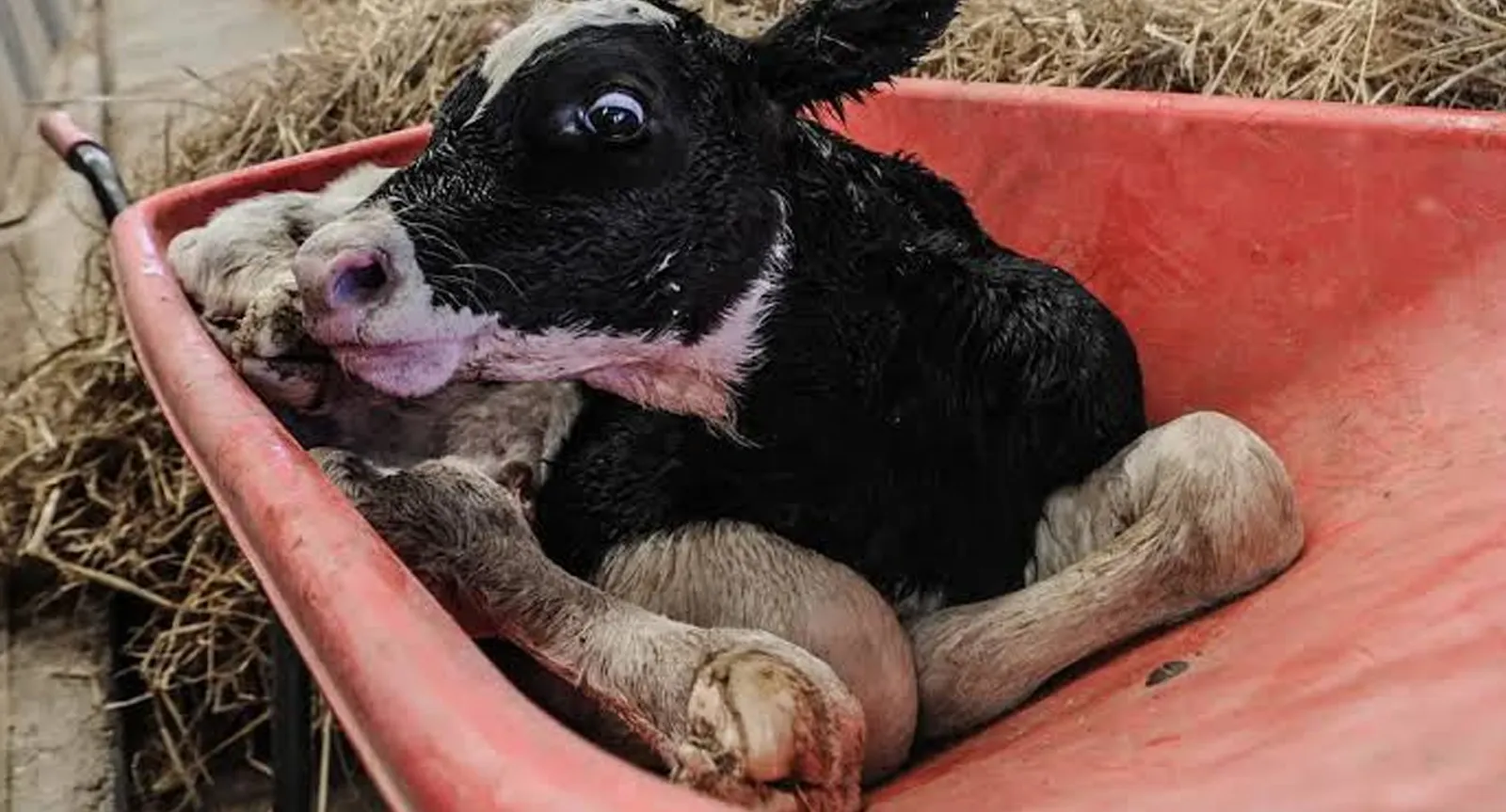
Animals killed for their meat begin suffering the day they are born.
Every year, billions of animals are raised and killed for meat. But their story does not begin at the slaughterhouse. It begins at birth.
Animals Killed
for Meat
Every year, billions of animals are bred and killed for meat. Cows, pigs, chickens, fish and countless other animals raised for food spend their lives with little legal protection from cruelty. They are sentient individuals who can feel pain, experience fear and seek comfort, yet millions endure confinement, deprivation and suffering on farms around the world, before being sent to slaughter.
01
Chickens
Natural lifespan
Up to 8 years
- Killed at
- ~6 weeks
— Rapid growth & leg disorders
— Overcrowded sheds
— No natural light or foraging
02
Cattle
- Natural lifespan
- Up to 20 years
- Killed at
- 18–24 months
— Painful procedures such as branding
— Feedlot confinement
— Early separation from mothers
03
Ducks and Geese
Natural lifespan
Up to 10 years
- Killed at
- ~7 weeks
— Denied water for bathing
— Force-feeding for foie gras
— Crowded indoor housing
05
Pigs
Natural lifespan
15–20 years
- Killed at
- ~6 months
— Sow stalls & farrowing crates
— Tail docking & teeth clipping
— Barren concrete pens
06
Turkeys
- Natural lifespan
- Up to 10 years
- Killed at
- 12–20 weeks
— Bred too heavy to mate naturally
— Beak trimming
— Lameness and heart failure
06
Sheep and Lambs
Natural lifespan
10–12 years
- Killed at
- 4–12 months
— Tail docking & castration
— Exposure after shearing
— Live export journeys
The Global Numbers
The numbers are staggering. Billions of animals are raised and killed for food every year. But behind every statistic is an individual who could feel pain, fear, and suffering.
Land animals slaughtered for meat globally in 2022.
According to FAO data analysed by Our World in Data, approximately 83 billion land animals were slaughtered for meat in 2022. This figure does not include losses in the egg and dairy industries. At every second, based on FAO data estimates, roughly 2,400 chickens, 47 pigs, and 10 cows are killed for meat.
1961 → 2024
Global meat production now exceeds 350 million tonnes per year and has multiplied several times over since the 1960s. Recent FAO / Our World in Data figures allow the trend to be shown through 2024.
From life to product
A living being becomes a product through a journey most people never see. From birth and confinement to transport and slaughter, every package of meat has a life behind its label. Who Pays the Price? Who’s behind the meat industry?
Chickens Raised for Meat
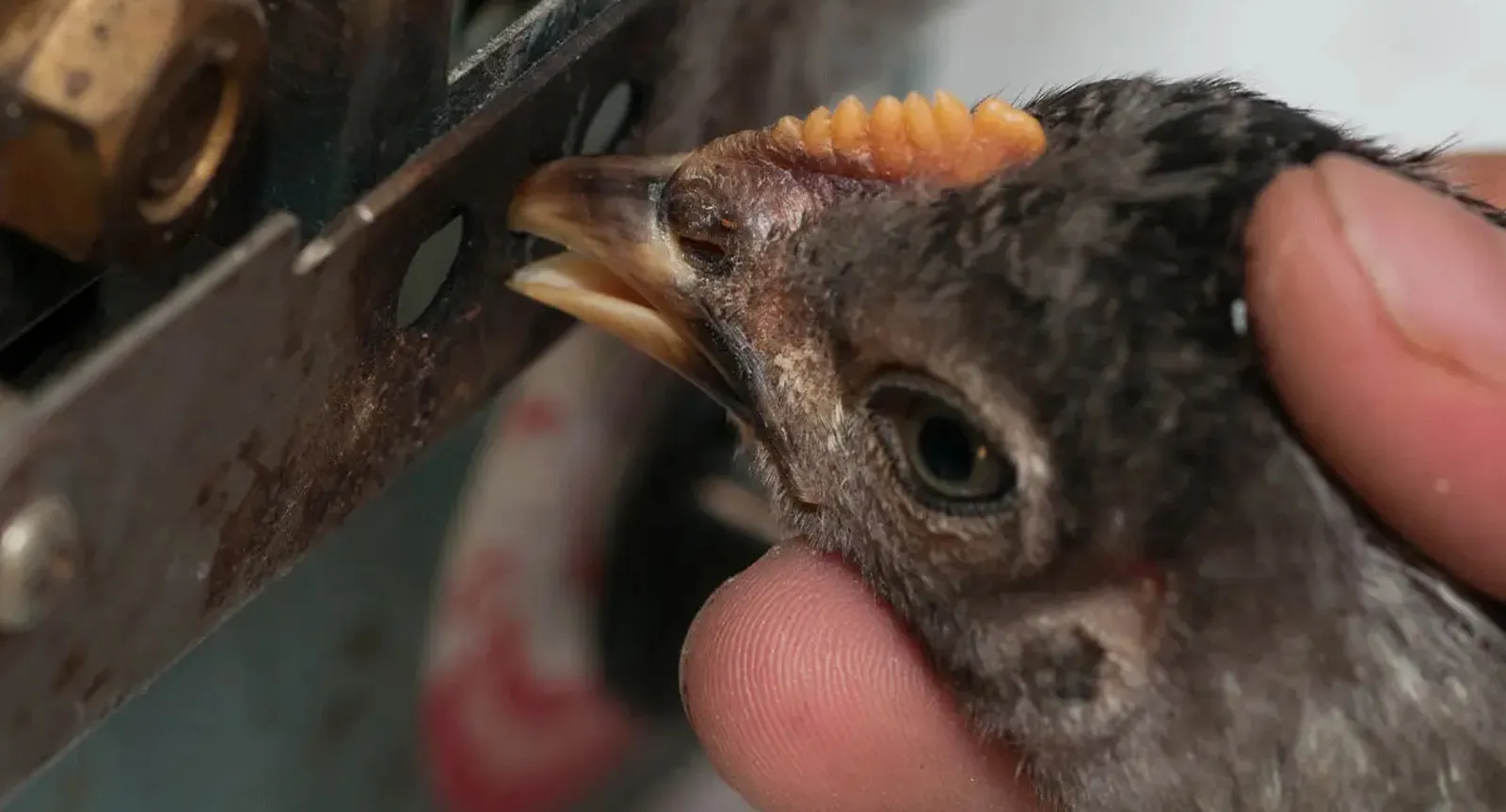
Every year, billions of chickens are raised and killed for meat, making chickens by far the most numerous land animals used for food. Most are bred specifically for rapid growth and kept in intensive farming systems designed to produce as much meat as possible in the shortest time.
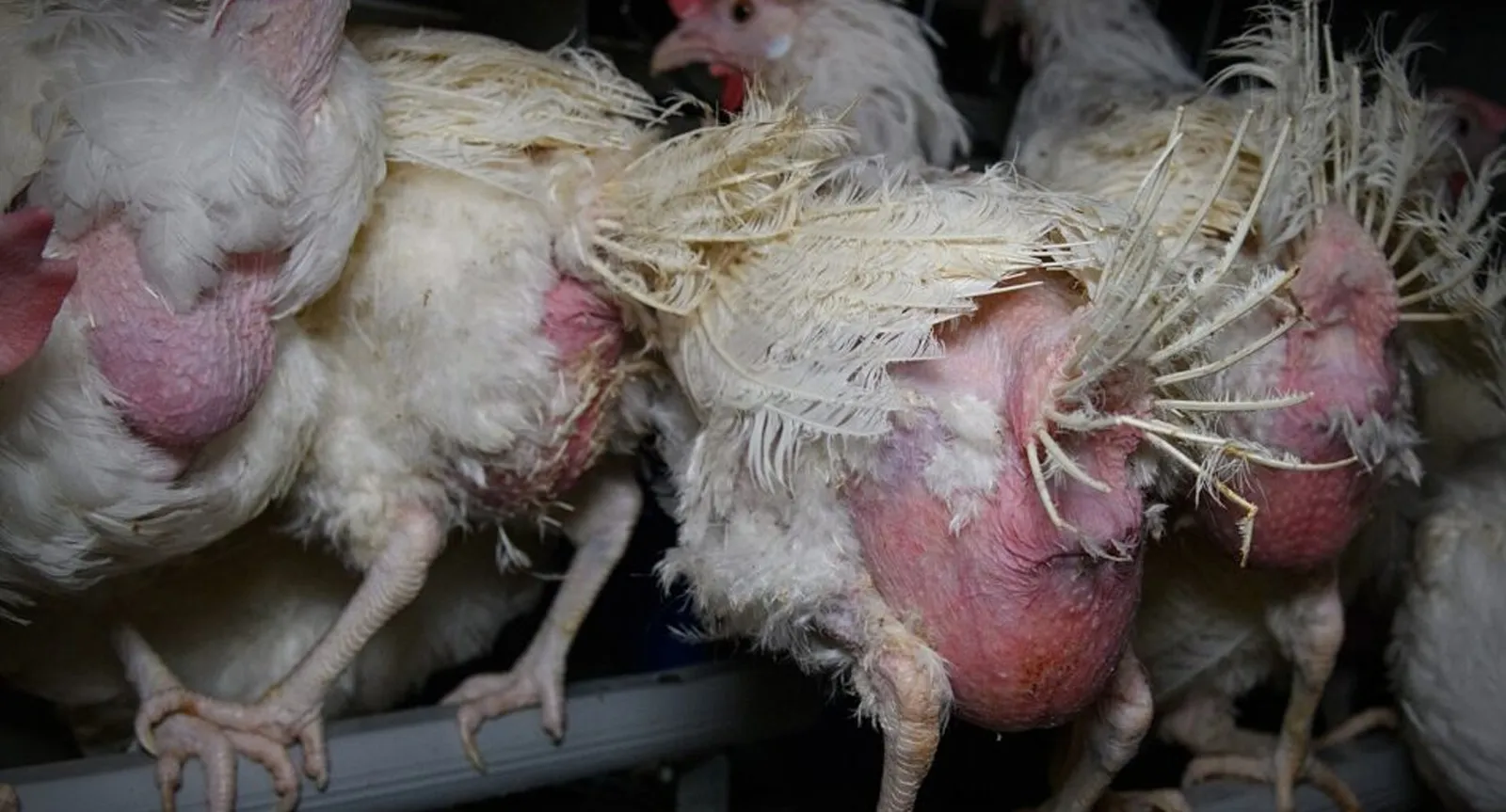
Broiler chickens are selectively bred to gain weight at an unnaturally fast rate. Their bodies can grow so quickly that their bones, hearts and other organs struggle to keep pace. Many suffer from painful leg disorders, difficulty walking, heart problems and other health conditions linked to rapid growth.
Inside factory farms, chickens are typically kept in crowded sheds with thousands of other birds. They may spend their entire lives on litter contaminated with faeces, with little space to move freely or express many of their natural behaviours. Their lives are remarkably short. Chickens raised for meat are commonly slaughtered at around six weeks of age, long before they would naturally reach adulthood.
Cattle Raised for Beef
Cattle are intelligent, social animals who form strong bonds within their herds. They experience pain, fear and stress, yet the demands of beef production take priority over their natural needs. In 2024, around 305 million cattle were slaughtered worldwide for meat.
Suffering begins early in the lives of cattle raised for beef. Calves undergo painful procedures including disbudding, dehorning and castration. Male and female calves are separated from their mothers, and cattle are transported between farms, feedlots and slaughterhouses as part of the beef production system.
Beef cattle are slaughtered while still young, commonly at around 18–24 months of age, depending on the production system. A naturally long life is reduced to a fraction of its potential length, ending when the animal is transported to the slaughterhouse.
Pigs Raised for Meat
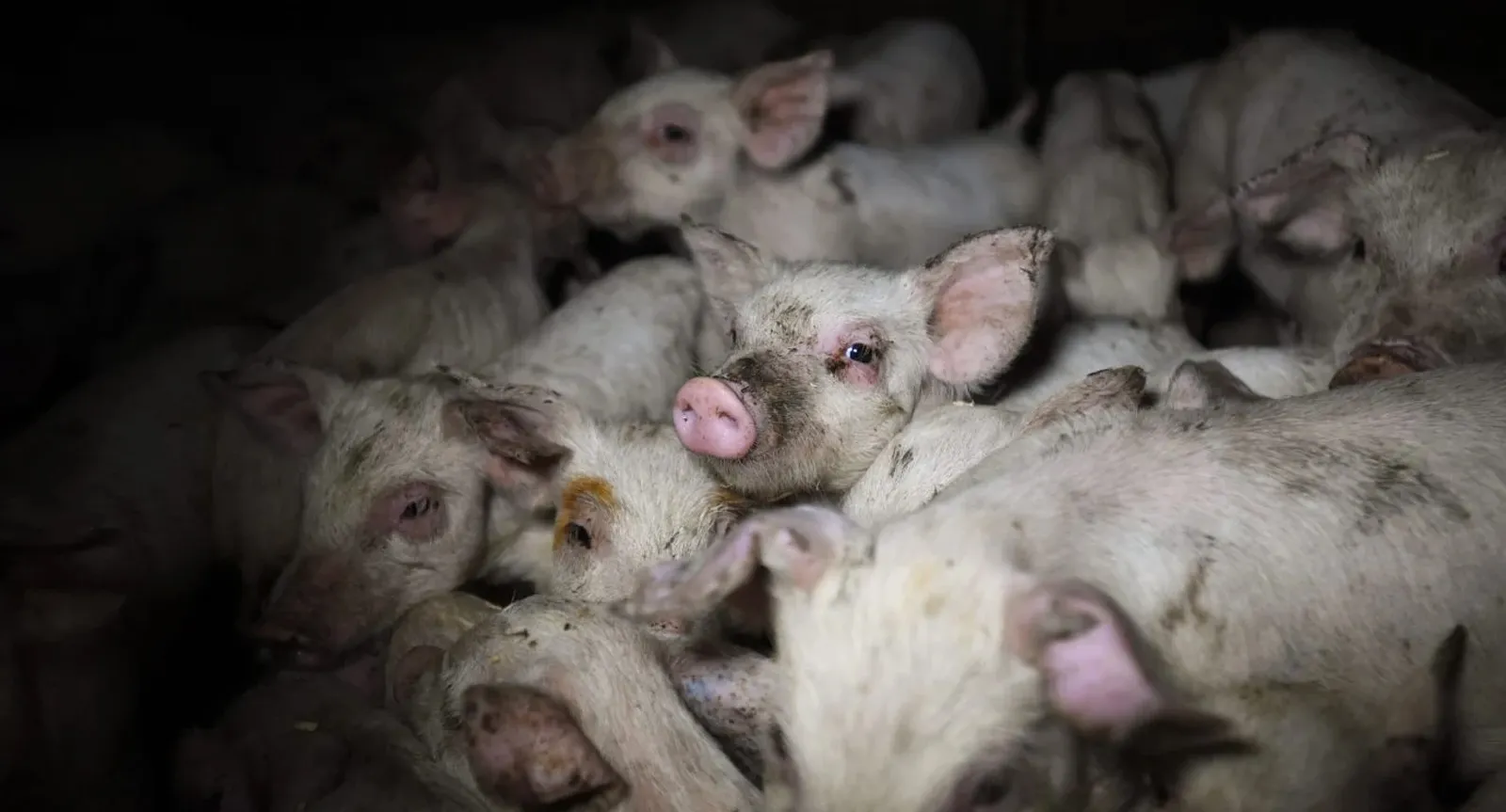
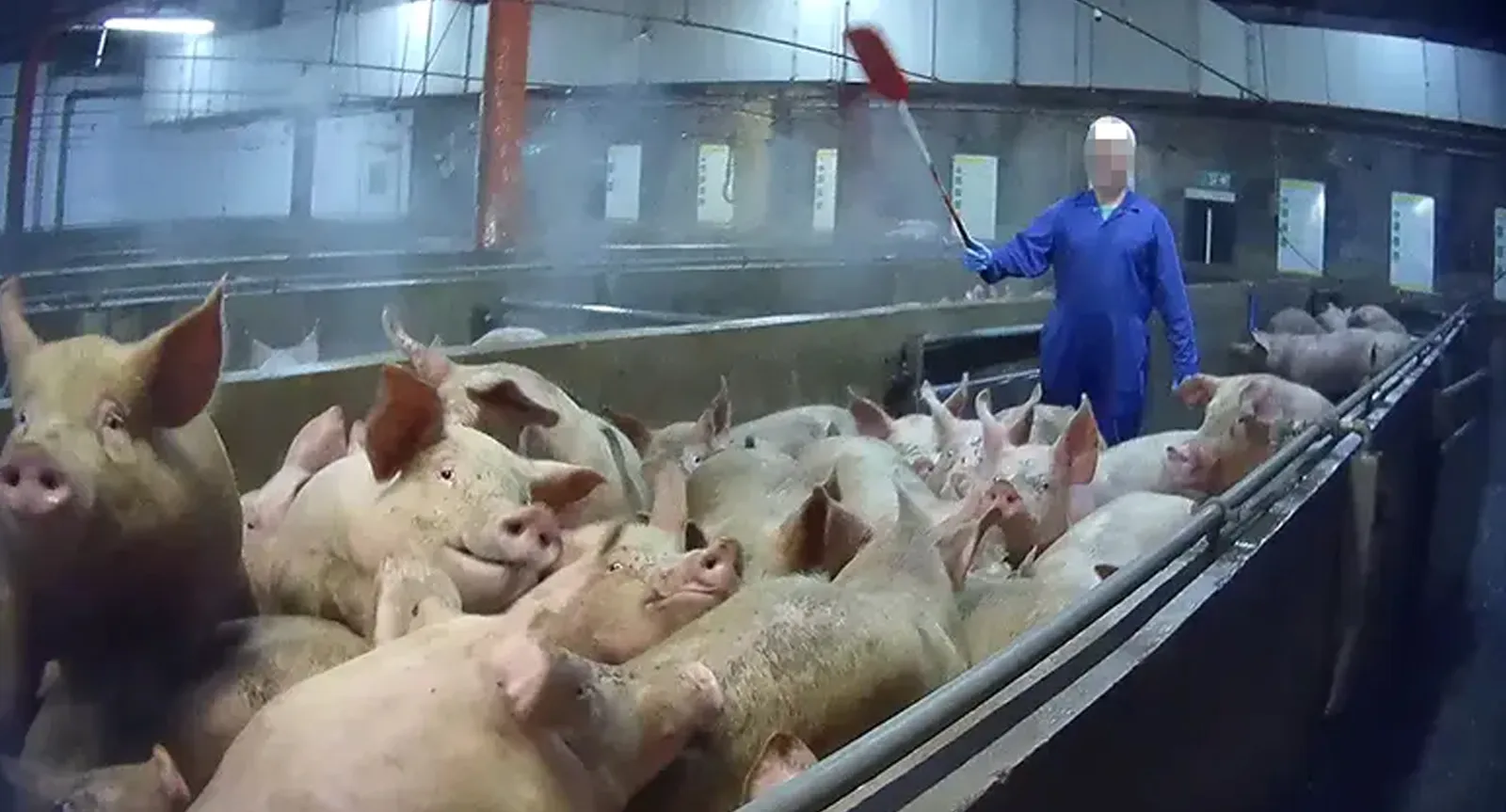
Pigs are intelligent, social animals capable of learning, problem-solving and forming strong social bonds. Yet billions of pigs are raised for meat in intensive farming systems where their natural behaviours are severely restricted. In 2024, around 1.5 billion pigs were slaughtered worldwide for meat.
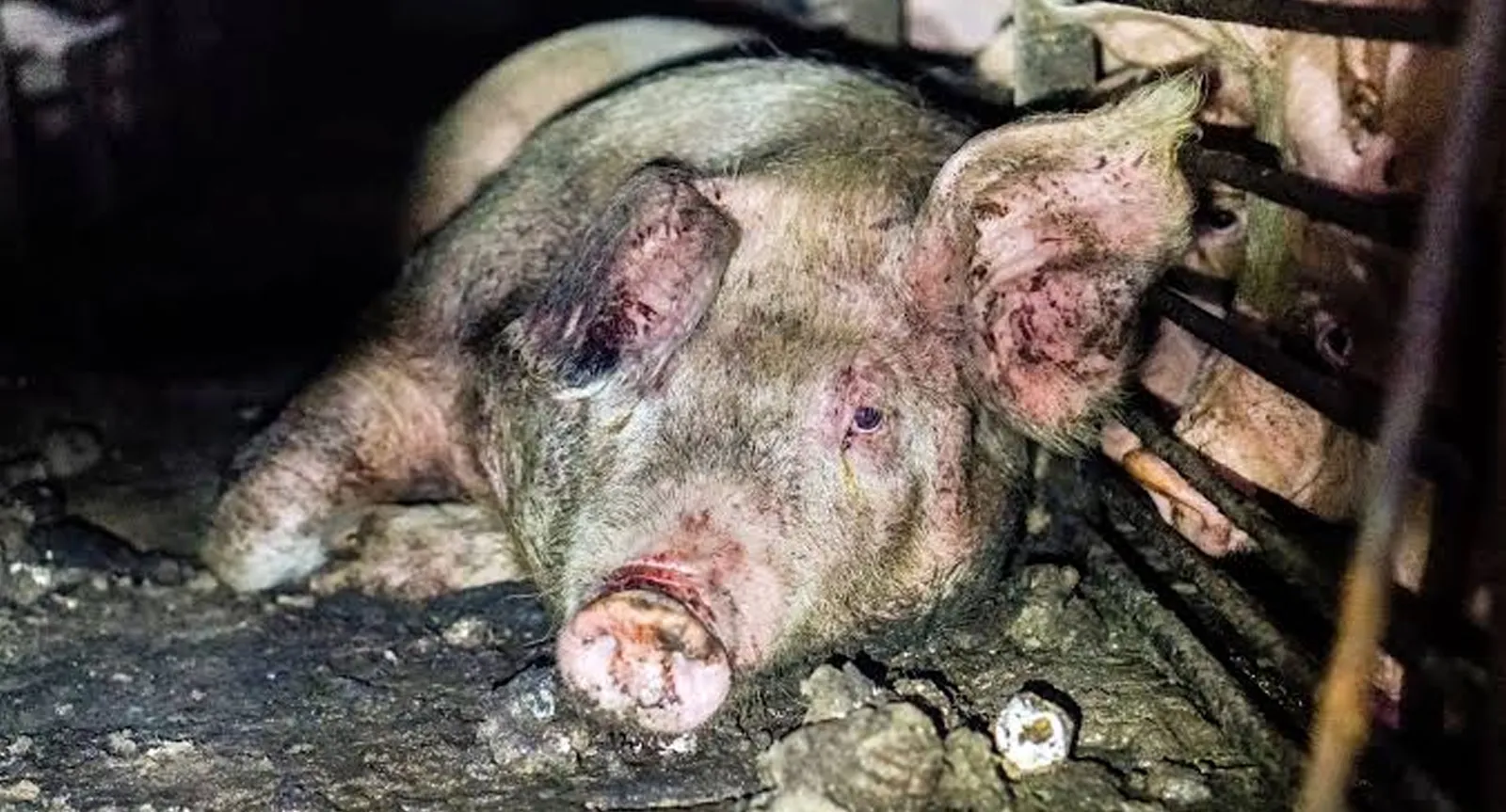
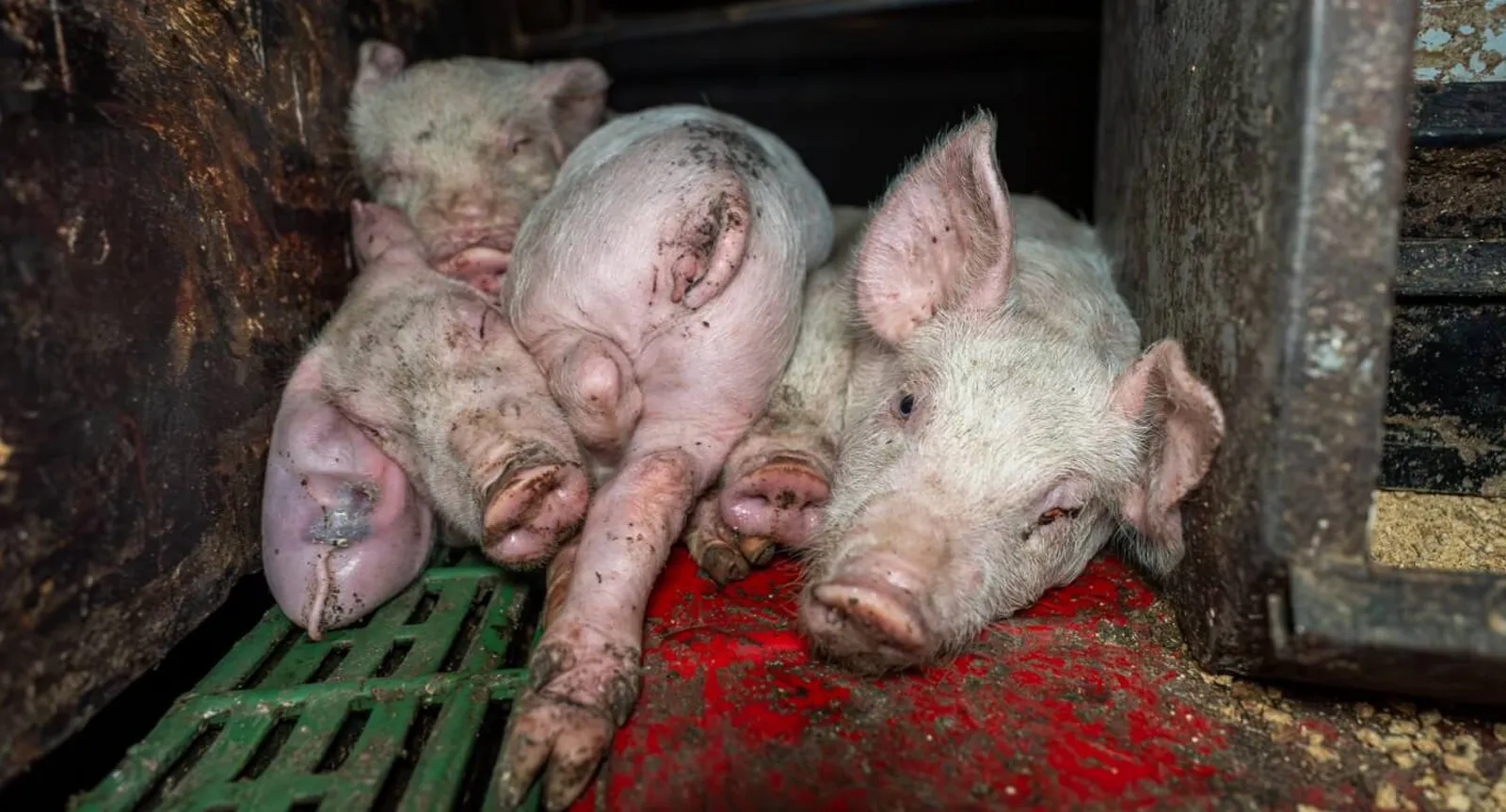
Piglets are subjected to painful procedures early in life. In intensive systems, male piglets are routinely castrated, while tails are docked and teeth are clipped or ground to reduce injuries associated with crowded conditions. Sows are confined in restrictive systems during breeding and farrowing, limiting their ability to move freely and care for their young.
Pigs raised for meat are slaughtered at just five to six months of age, after spending their short lives in systems designed for rapid growth and maximum production. An intelligent, sentient animal capable of experiencing pain and fear is reduced to a commodity long before reaching natural adulthood.
Sheep and Lambs Raised for Meat
For a lamb, life in the meat industry begins with rapid growth towards a market weight. Lambs depend heavily on their mothers during their early weeks, yet production systems prioritise growth and sale over the natural development of the ewe and her young. Sheep are also highly responsive to changes in their social group and surroundings.
Routine husbandry practices can include tail docking and castration, usually carried out when lambs are very young. Male lambs are castrated to manage breeding and behaviour, while tail docking is used in some systems to reduce the risk of flystrike. These procedures cause pain and are performed because of the requirements of production systems.
Around 700 million sheep are slaughtered worldwide each year for meat, with lambs and young sheep making up a significant share of the industry. Lambs raised for meat are slaughtered at only a few months old, long before reaching adulthood. Their short lives end when they are transported to slaughter, after being raised primarily for the weight of meat their bodies can produce.
Turkeys Raised for Meat
Turkeys are intelligent and socially complex birds who recognise other individuals, communicate with one another and form strong social bonds. In the UK, around 14 million turkeys are slaughtered each year, with the vast majority killed for meat during the Christmas period. Most are slaughtered at just four to six months of age.
Modern turkeys have been selectively bred to grow rapidly and develop disproportionately large breasts. Their bodies have become so heavy that leg disorders, difficulty walking and heart problems are widespread. In breeding flocks, their body shape prevents natural mating, so artificial insemination is used to produce the next generation.
Most turkeys raised for meat spend their short lives in crowded indoor barns, surrounded by thousands of other birds. Their natural behaviours and social lives are restricted before they are transported to slaughter and killed while still only a few months old.
Ducks and Geese Raised for Meat
Ducks and geese are naturally active waterfowl. They spend much of their lives moving, foraging, swimming, preening and caring for their young. In intensive meat production, these behaviours are severely restricted as birds are bred and confined for rapid growth.
Ducks bred for meat are selectively bred to gain weight quickly, putting considerable strain on their legs and bodies. Many are raised in crowded indoor conditions without access to the water they would naturally use for swimming and bathing. Dirty, wet litter can also contribute to foot and leg problems.
Geese raised for meat face similar restrictions and are killed while still young. Their natural lives, built around movement, exploration and social family groups, are reduced to a short production cycle before they are transported to slaughter.
How Much Damage
Does the Meat Industry Cause?
The impact of meat does not end when an animal’s life does.
Its consequences extend across animal welfare, the environment and human health.
Animal welfare
Pain, fear, confinement and the loss of natural behaviours are part of the lives of animals raised for meat.

Environment
Meat production places pressure on land, water, climate and biodiversity, with consequences that extend far beyond the farm.

The Long Journey to the Slaughterhouse
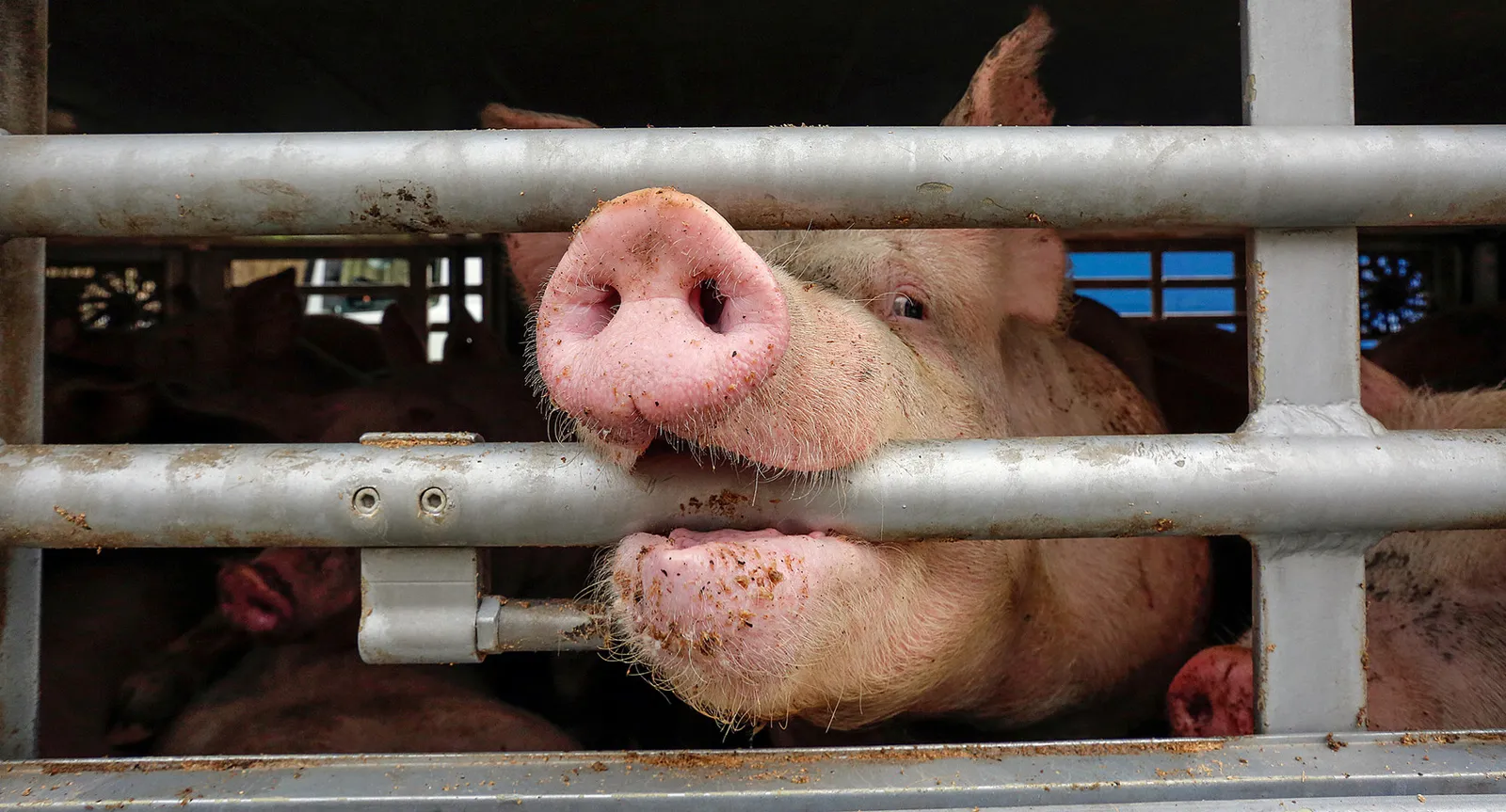
For many animals, the journey to slaughter is measured not in hours, but in days. Transported across borders in crowded vehicles, they may face heat, cold, exhaustion, dehydration and injury along the way. What looks like a journey on the road is, for them, a final journey from one place of confinement to another.
Handling and Loading
Animals may be forced into transport vehicles through narrow loading areas, often under pressure and with the use of electric prods. Rough handling and unfamiliar surroundings can make the process frightening and physically distressing.
Fear and Stress
The noise, movement, unfamiliar smells and sudden handling can trigger intense fear and stress. Animals may struggle, resist or panic as they are separated from their familiar surroundings and forced into a confined vehicle.
Overcrowding
Animals are often packed closely together to make transport more efficient, leaving little room to move freely. In crowded conditions, they may be unable to sit, lie down or maintain a comfortable position for long periods.
Exposure to Heat and Cold
Animals transported in open-sided vehicles can be exposed to extreme temperatures throughout the journey. Heat, cold, wind and rain can become especially dangerous when animals have little space to move and limited protection from the weather.
Long Journeys
Some animals are transported for many hours or even several days, sometimes crossing national borders and travelling hundreds of miles. Extended journeys can leave them exhausted and may involve inadequate access to food, water and opportunities to rest.
Injuries
Crowded conditions and sudden movement can cause animals to slip, fall or be knocked against other animals and the sides of the vehicle. Falls and crushing can result in bruising, broken bones and other serious injuries, particularly when animals cannot move away from danger.
Dehydration and Exhaustion
Limited access to water, prolonged standing and the physical demands of a long journey can cause severe dehydration and exhaustion. Animals that become weak or injured may struggle to reach water or protect themselves from further harm.
Separation from Familiar Surroundings
Transport removes animals from the environments and social groups they know and places them in unfamiliar surroundings. The sudden separation, handling and movement can add to their fear, stress and disorientation throughout the journey.
The Final Stage of a System that Began at Birth.
Whatever the label or farming system, slaughter ends with the death of a living animal who did not choose to die. For many, that final moment comes while they are still young, and some are pregnant mothers.
Arrival
Animals arrive at the slaughterhouse after transport that may have already left them frightened, exhausted or injured. They are brought into an unfamiliar environment surrounded by noise, movement and unfamiliar smells.
Handling
Animals are moved through the slaughterhouse towards the killing area. They may be separated from one another, restrained or handled in ways that can cause further fear and distress.
Stunning
Animals are typically stunned before they are killed, with the aim of rendering them unconscious. However, stunning can fail or be ineffective, meaning some animals may remain conscious during the subsequent stages.
Killing
The animal is killed as the final step in the slaughter process. What began as a living, breathing individual ends in death because their body is being produced for human consumption.
From Animal to Product
After death, the animal is processed, packaged and sold as meat. A life that began with an individual animal is reduced to a product, a price and a label on a supermarket shelf.
Behind The Meat Industry
What Can We Do?
Every choice begins with understanding. Learn where meat comes from, look beyond the label, and discover choices that can make a difference for animals and the planet.

Learn
Understand where meat comes from.
Question
Look beyond the label.
Choose
Explore plant-based alternatives.
Going vegan saves each month
See the estimated environmental impact of going vegan based on the number of people and months.
References & Further Reading
Explore the research, reports and investigations behind the facts presented on this page. These sources provide further evidence on animal welfare, meat production, transport, slaughter and the wider impacts of animal agriculture.