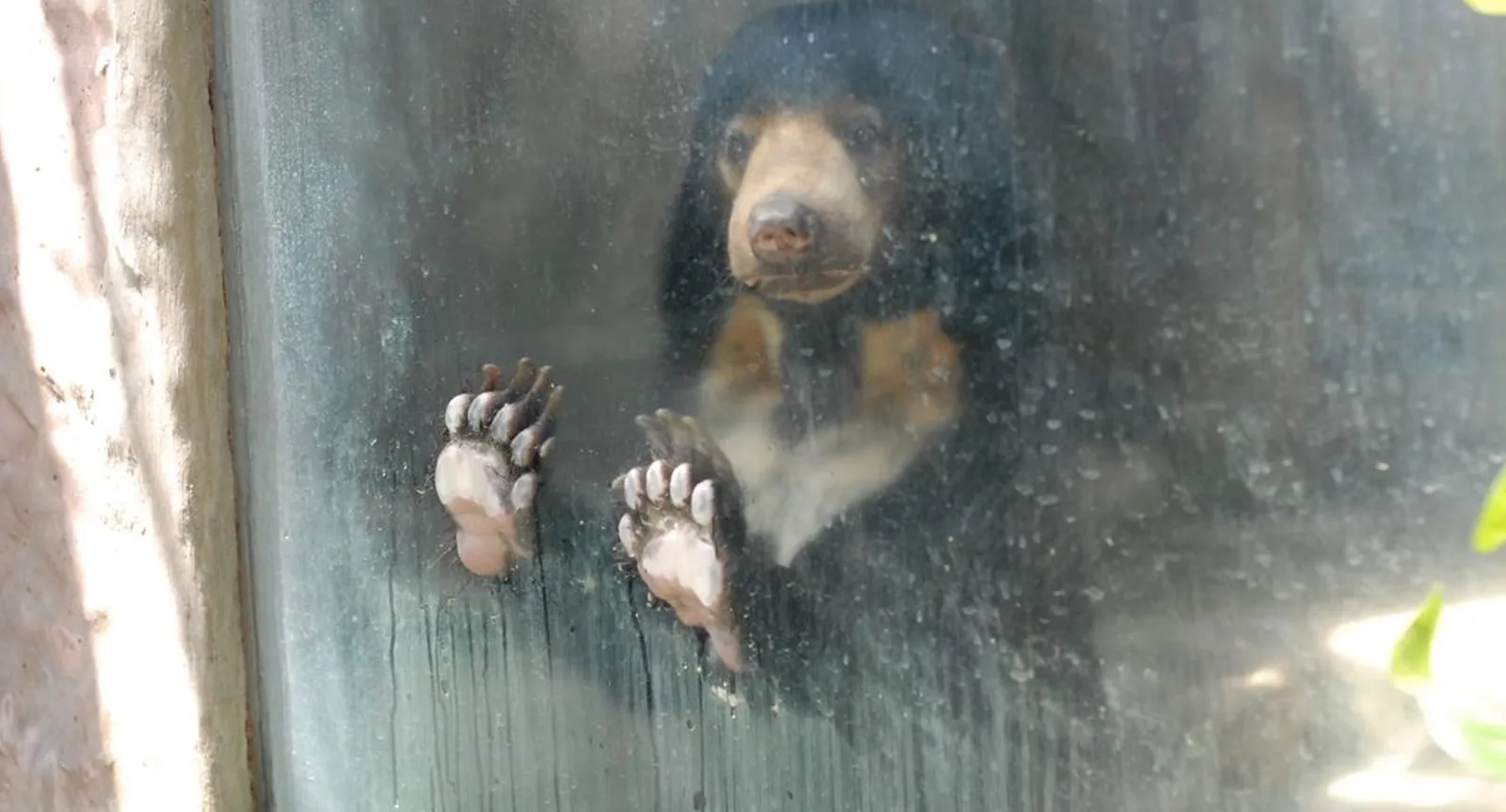

Animals Are Not Here for Our Entertainment
Animals are living, feeling beings — not performers, attractions, props, or sources of amusement.
From circuses and marine parks to horse racing, animal rides, and wildlife tourism, millions of animals around the world are used for human entertainment. Behind the performances, photographs, and exciting attractions, however, there is often a hidden reality of confinement, stress, forced training, separation from families, and suffering. Animals deserve to live according to their natural needs and instincts, not to spend their lives entertaining people.
What Is Animal Entertainment?
Animal entertainment refers to any activity, performance, attraction, or event in which animals are used to entertain, amuse, or attract human audiences. These activities can involve wild animals, farmed animals, and domesticated animals. While some may appear harmless or enjoyable, many prevent animals from expressing their natural behaviours and living freely.
Animals may be forced to perform tricks, participate in competitions, carry tourists, interact with visitors, or remain confined in artificial environments for public viewing.
The fact that an activity is popular, traditional, or profitable does not automatically make it ethical.
How Animals Are Exploited for Entertainment
Animals in Circuses
Circuses have traditionally used elephants, tigers, lions, bears, monkeys, horses, and other animals as performers. Animals are expected to perform unnatural tricks, follow commands, and entertain audiences under bright lights and loud music.
Behind the scenes, training can involve intimidation, restraint, and punishment. Frequent transportation, limited living spaces, and the inability to express natural behaviours can also seriously compromise their welfare.
A circus should be a place where human performers freely choose to showcase their talents — not a place where animals are forced to perform.
Choose animal-free circuses and support performances that celebrate human creativity.
Zoos and Wildlife Parks
Zoos and wildlife parks display animals for public entertainment, education, and, in some cases, conservation. However, captivity can prevent many wild animals from experiencing the freedom, space, social relationships, and environmental complexity they need.
Large predators may be restricted to limited spaces, elephants may have little opportunity to roam, and social animals may be unable to maintain their natural family groups.
Although some facilities contribute to genuine conservation and rescue work, not every establishment calling itself a sanctuary or conservation centre provides animals with an appropriate environment.
Visitors should look beyond attractive displays and ask whether an animal’s needs and well-being genuinely come first.
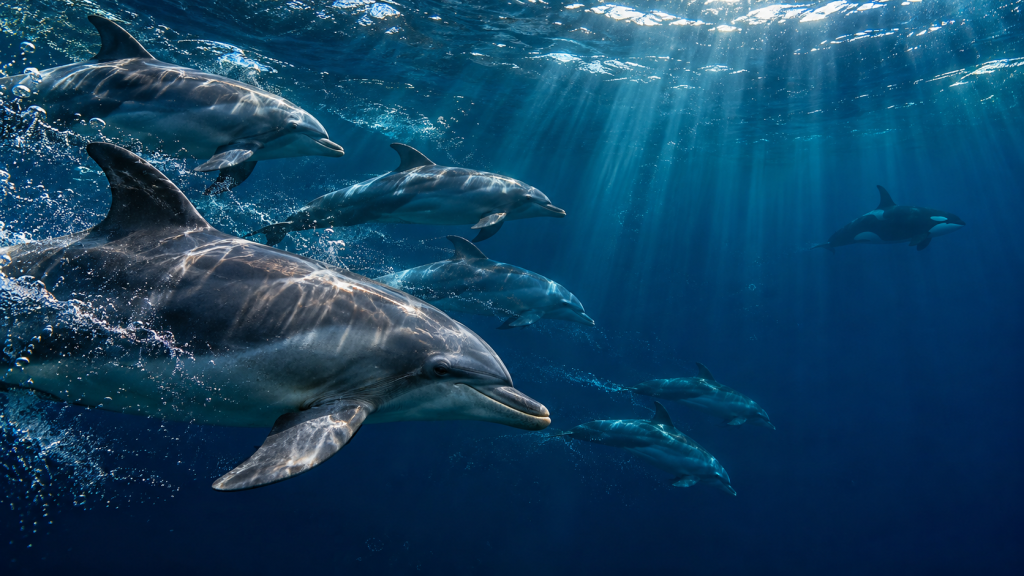
Marine Parks and Dolphin Shows
Dolphins, whales, orcas, and other marine animals are sometimes kept in artificial pools and tanks to entertain visitors. In the wild, these animals can travel long distances, explore complex underwater environments, and maintain sophisticated social relationships. Captive environments cannot fully reproduce the complexity and freedom of their natural habitats.
Some facilities train marine mammals to jump, dance, balance objects, and perform tricks in front of audiences. Swimming with dolphins and taking photographs with captive marine animals can also contribute to an industry that treats these intelligent beings as tourist attractions.
Wild animals belong in their natural environments, not in swimming pools built for human entertainment.
Horse Racing and Equestrian Sports
Horse racing and other equestrian competitions are often presented as exciting sporting events.
But behind the excitement, horses can face intense physical demands, injuries, stressful training, and the risk of serious accidents. Their lives and physical abilities may be shaped around competition, financial interests, and human expectations rather than their individual needs.
Horses are sentient animals, not sporting equipment or commodities.
Their well-being should always come before trophies, entertainment, and profit.
Animal Rides and Tourist Attractions
In many tourist destinations, elephants, camels, horses, donkeys, and other animals are used to carry visitors or provide photo opportunities.
Elephant rides, camel rides, horse-drawn carriages, and animal encounter experiences are often advertised as unforgettable holiday activities. However, these attractions can involve exhausting workloads, unsuitable living conditions, stressful handling, and limited freedom.
Before booking an animal-related activity on holiday, consider whether the experience is truly necessary and whether the animal benefits from it.
A memorable holiday should never depend on another being’s suffering.
Animals in Films, Television, and Advertising
Animals are frequently used in films, television programmes, commercials, music videos, and social media content.
Although audiences may see only a few seconds of a cute or entertaining performance, the process behind the scenes can involve transportation, unfamiliar environments, repetitive takes, restrictive handling, and stressful training.
Animals cannot consent to becoming actors or understand why they are expected to repeat a particular action for a camera.
Today, filmmakers and advertisers can increasingly use CGI, animation, visual effects, and other technologies to create realistic animal characters without requiring live animals to perform.
Bullfighting and Animal-Based Traditional Events
In some countries, animal-related spectacles are defended as cultural traditions or historical practices.
Bullfighting, rodeos, animal races, and other events may involve fear, physical exhaustion, injury, or deliberate harm. Cultures evolve, and traditions can be celebrated, transformed, or replaced with alternatives that respect animals.
We can preserve cultural identity without continuing practices that cause unnecessary harm.
Tradition alone cannot justify suffering.

Fishing and Recreational Hunting
Fishing and hunting are often promoted as hobbies, sports, or recreational activities. However, fish and other animals are living beings capable of experiencing harm and stress.
Activities such as catch-and-release fishing do not necessarily eliminate suffering. Handling, hooking, and removing fish from water can cause physical injury and physiological stress. Trophy hunting and recreational hunting also turn animals into targets for human enjoyment.
There are countless ways to enjoy nature without capturing, injuring, or killing animals.
Why Is Animal Entertainment a Problem?
Animals have their own needs, preferences, social relationships, and ways of experiencing the world. When they are used for entertainment, their lives are often organised around human demands rather than their own interests.
Some of the major concerns include:
Confinement
Animals may spend much of their lives in spaces that restrict natural movement and exploration.
Forced performances
Animals may be trained to perform behaviours they would not naturally choose.
Physical suffering
Training, transportation, competition, and unsuitable conditions can result in injuries and health problems.
Psychological stress
Noise, crowds, isolation, disrupted social relationships, and lack of stimulation can negatively affect animal welfare.
Loss of freedom
Animals may be prevented from making choices about where to go, whom to interact with, and how to spend their time.
Commercial exploitation
Animals can become sources of income, entertainment, and marketing rather than individuals whose interests deserve consideration.
The central question is simple:
Would we consider this entertainment acceptable if we looked at the experience from the animal’s perspective?
Are Animals Really Enjoying These Activities?
A common justification for animal entertainment is that animals appear happy, playful, or comfortable around people.
But appearances can be misleading. An animal performing a trick does not necessarily mean it enjoys performing. An animal allowing tourists to touch it does not necessarily mean it welcomes the interaction. Animals may learn to repeat behaviours through training, conditioning, rewards, or fear of punishment.
Understanding animal behaviour requires looking beyond human interpretations of facial expressions and actions. Rather than assuming animals enjoy being used for entertainment, we should respect their individual needs and give them the opportunity to live without unnecessary human interference.
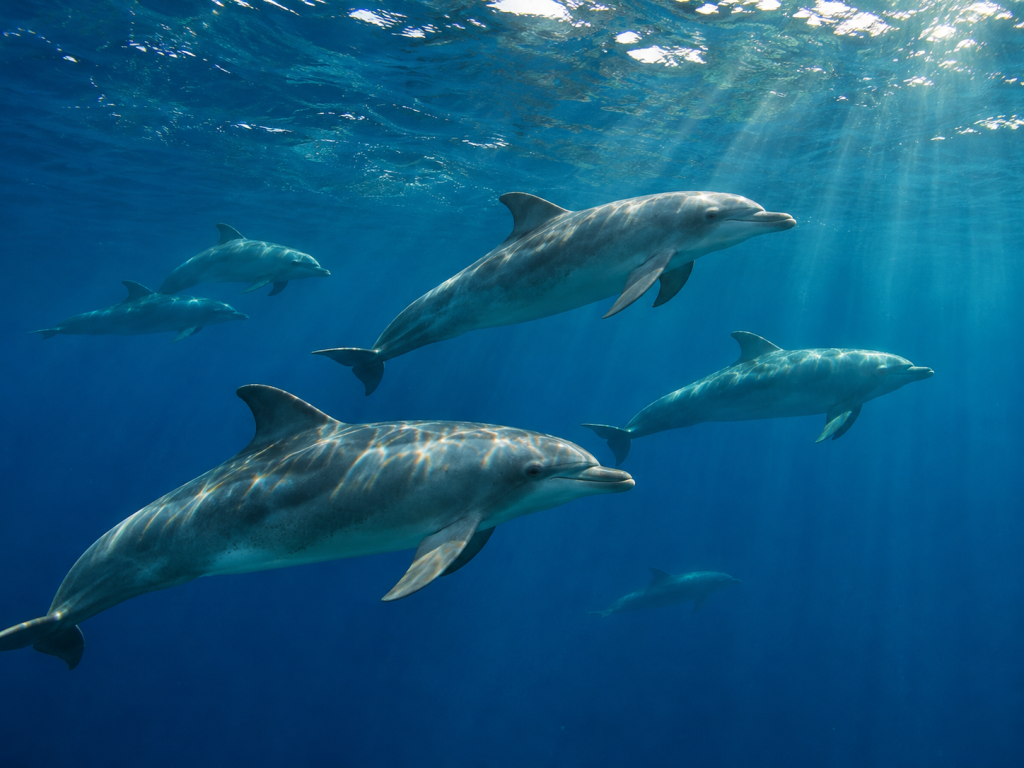
The Difference Between Animal Welfare and Animal Freedom
Some entertainment facilities claim that their animals are well cared for because they receive food, veterinary treatment, and shelter. These are important aspects of animal welfare, but they do not automatically make captivity ethical.
An animal can receive regular meals and medical attention while still being deprived of freedom, natural surroundings, meaningful social relationships, and the ability to make choices. Providing basic care is not the same as providing a life that respects an animal’s interests. From an ethical vegan perspective, the goal should go beyond reducing suffering. It should also question why animals should be used for human entertainment in the first place.
How Can You Enjoy Entertainment Without Exploiting Animals?
Choosing animal-friendly entertainment does not mean giving up fun, adventure, or memorable experiences. There are many alternatives that allow us to enjoy ourselves without using animals.
Consider these compassionate choices:
Wildlife Documentaries & Photography
Visit wildlife documentaries and nature photography exhibitions instead of animal performances.
Animal-Free Circuses
Choose animal-free circuses featuring acrobats, dancers, magicians, and human performers.
Animation & CGI Films
Watch films that use animation and CGI instead of live animal performances.
Responsible Wildlife Observation
Explore nature reserves and observe wildlife responsibly from a distance.
Wildlife Conservation & Rescue
Support genuine wildlife conservation and rescue organisations.
Animal-Friendly Travel
Choose holidays and travel experiences that do not include animal rides or forced interactions.
Outdoor Activities
Enjoy outdoor activities such as hiking, cycling, kayaking, and birdwatching.
Books & Educational Programmes
Learn about animals through books, documentaries, and educational programmes.
Entertainment can be exciting, educational, and meaningful without exploiting another living being.
What Can You Do to Help?
Every consumer decision sends a message about the kind of world we want to support. You do not need to be an activist or an animal expert to make a difference. Small, consistent choices can help reduce demand for exploitative entertainment.
Here are some ways to take action:
Refuse to buy tickets to animal shows.
Avoid circuses, performances, and attractions that use animals for entertainment.
Do your research before travelling.
Look into animal-related tourist activities before booking excursions, tours, or experiences.
Do not support animal selfies and direct encounters.
Avoid attractions that allow visitors to ride, touch, hold, or take photographs with wild animals for entertainment.
Share information.
Help friends and family understand what may happen behind the scenes of animal entertainment.
Support animal protection organisations.
Donate, volunteer, or support campaigns that work to protect animals from exploitation.
Choose compassionate alternatives.
Support businesses, events, films, and attractions that offer enjoyable experiences without using animals.
Speak up for animals.
Encourage event organisers, travel companies, entertainment businesses, and policymakers to adopt animal-friendly practices.

Animals Are Not Entertainment. They Are Individuals.
Every animal is an individual with its own needs, instincts, relationships, and experiences. An elephant does not need to stand on its head to deserve our respect. A dolphin does not need to jump through a hoop to be appreciated. A horse does not need to race to have value.
Animals do not exist for our amusement. As we become more aware of animal sentience and the consequences of exploitation, we have an opportunity to rethink the traditions and industries we support. A kinder world begins when we stop viewing animals as attractions and start recognising them as individuals deserving of respect.
Enjoy the world. Explore nature. Celebrate life. But leave animals out of entertainment.
Make Compassion Your Choice
The next time you plan a holiday, buy a ticket, visit an attraction, or choose a film, take a moment to think about the animals involved.
Your choices matter.
Choose entertainment that does not exploit animals. Choose compassion. Choose a kinder world.
Behind Animal Entertainment
The Evidence Behind The Entertainment...
References & Further Reading
Explore the research, reports, investigations and documented evidence behind the issues discussed on this page. These sources provide further insight into animal welfare, captivity, animal performances, wildlife tourism, training practices and the exploitation of animals for entertainment.
Organisations & Data
- World Animal Protection – Wildlife Entertainment Reports
- World Animal Protection – Bred to Entertain (2026)
- Born Free – Animals in Entertainment
- RSPCA – Wild Animals in Captivity
- 5. FOUR PAWS – Wild Animals in Entertainment
- Animal & Plant Welfare – Animals in Entertainment (AAP)
- Animal Welfare Institute – The Case Against Marine Mammals in Captivity
- Whale Sanctuary Project – Captive Cetacean Welfare
- PETA – Animals in Entertainment Factsheets
Scientific Reviews
- Animal-Visitor Interactions in Zoos and Aquariums: A Systematic Review (2025)
- Are Wild Animals Suited to a Travelling Circus Life? (2009)
- A Review of Research into Animal Ethics in Tourism (2020)
- Instagranimal: Animal Welfare and Animal Ethics Challenges of Animal-Based Tourism (2020)
- An Update on Captive Cetacean Welfare (2025)
Further Reading
Why Go Vegan?
Explore the ethical, environmental, and health reasons for choosing a vegan lifestyle.
How to Go Vegan?
A practical, step-by-step guide to making the transition to a healthy vegan diet.
How to Stay Vegan?
Practical strategies and tips to make vegan living enjoyable, balanced, and sustainable long-term.