


Why Go Vegan?
Discovering a Kinder, Healthier, and
More Sustainable Lifestyle
This guide explores the ethical, environmental, health, and social reasons for adopting a vegan lifestyle, as well as the meaningful impact of your choices.
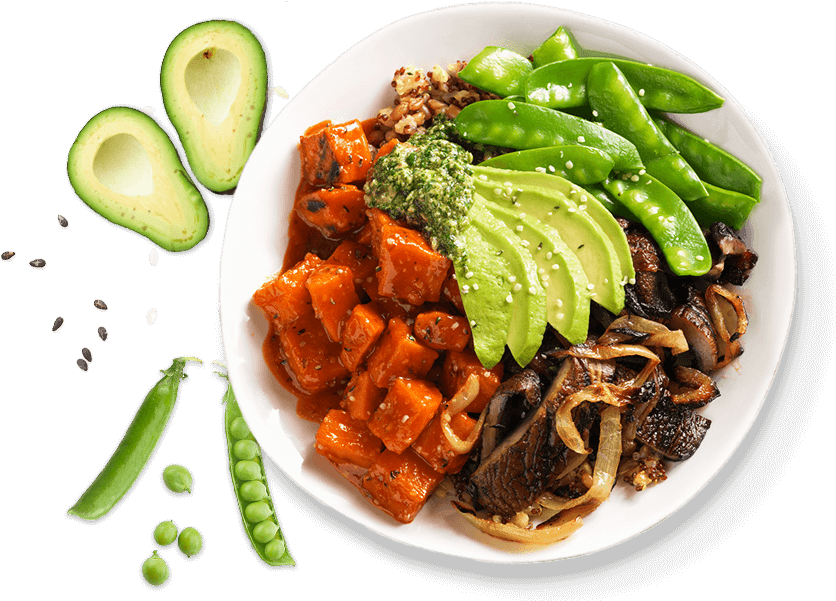
Going vegan saves each month:

30 animal lives

84 M² of forest

273 KG of CO2

124,917 litres of water

543 KG of grain
Reasons to Go Vegan
There are four key reasons why people choose to become vegan — and each one carries its own powerful truth.
1
The ethical basis for veganism
2
The environmental basis for veganism
3
The health basis for veganism
4
The societal basis for veganism
At its heart, veganism is about compassion — for animals, for our planet, for ourselves, and for one another. So, why go vegan? Perhaps that’s already the best reason of all. Read on to find out more reasons to go vegan.
For many, the answer to why go vegan is perfectly clear: veganism stands as the only truly ethical choice. It is deeply rooted in the ethics of veganism and the timeless principle of ahimsa, meaning “to do no harm” — a philosophy that extends compassion to all sentient beings. By choosing not to contribute to the suffering of animals, you begin to see the profound benefits of going vegan, transforming it from a simple diet into a conscious commitment to moral consistency.
However, if you are considering this path and find that the idea of ahimsa alone does not fully persuade you, there are countless other vegan lifestyle reasons to explore. Beyond the moral call, the environmental benefits of veganism offer a powerful motivation for protecting our planet. Each of these points strengthens the case, showing that regardless of your initial spark, the benefits of going vegan make it not only an ethical decision but also a practical and forward-thinking way of living in harmony with the world.
Let’s check them out.
The ethical basis for veganism
The basis of veganism in the first place is the coupling of the traits compassion, empathy, and respect for all living beings. For many people, the strongest reason to become vegan is the connection that humans have with animals — a realisation that animals are beings with feelings and are able to experience both happiness and suffering. Those who adopt a vegan lifestyle are not doing it for the sake of convenience, but rather for the sake of their conscience.
They do not accept any forms of animal exploitation, not for their own advantage, but for the animals’ sake. They are aware that each time an exploitation occurs, it brings suffering and distress, and therefore, they want to inflict as little harm as possible. To be vegan is to reject the idea of suffering and death caused by one’s own contribution and to make efforts towards a world in which animals are able to live freely, safely, and with respect.
- Farm Animal Welfare
If you truly care about animals such as pigs, cows, sheep, or chickens, the most meaningful way to help them is by choosing a vegan lifestyle. Every year, billions of farm animals are bred into existence only to endure lives of confinement, mistreatment, and premature death — all for human consumption and profit. This cycle continues because people keep buying meat, milk, eggs, leather, and other animal products, sustaining industries that profit from suffering. In a world driven by mass production and consumer demand, veganism stands as a compassionate choice — a refusal to fund cruelty and a way to live without taking from those who have no voice. By going vegan, you break the chain of exploitation and help create a future where animals are no longer born only to suffer.
- Helping Animals in Captivity
Wild animals belong in their natural habitats, where they can live according to their instincts and the balance of nature. No matter how kind captivity seems, it always limits their freedom, space, and natural behaviour. True respect for wildlife means rejecting zoos, circuses, and the keeping of exotic animals for entertainment or profit. Instead, compassion means supporting sanctuaries, rescue centres, and rehabilitation programs that aim to heal and protect animals instead of exploiting them. Choosing a vegan lifestyle reflects this belief. It’s a stand against all forms of unnecessary captivity and a commitment to allowing animals to live freely, as nature intended.
- Protecting Aquatic Life
Aquatic animals, especially fish, are the most exploited and killed beings on the planet — trillions lose their lives each year for food, farming, and even to feed other animals. Despite often being overlooked, fish are sentient creatures capable of feeling pain and distress. Choosing a vegan lifestyle means refusing to participate in this cycle of suffering, rejecting industries that exploit sea life as commodities, and advocating for the right of every aquatic being to live freely in their natural waters.
- Respecting Animal Rights
If you care about all animals — whether wild or domestic, free in nature or in human care — and believe they have the right to live their lives fully, with freedom over their own bodies and without being forced into anything against their will, then you believe in animal rights. Veganism is the only philosophy that fully honours this principle, offering a way of life that respects their autonomy and ensures we do not exploit or harm them in any way.
- Companion Animals’ Wellbeing
For many people, the bond with cats and dogs is very meaningful. It goes beyond any other relationship they might have with animals. Vegans treat their companion animals as equals, not possessions or substitutes. They see them as respected life partners who deserve freedom, love, and a fulfilling life. This care includes rescuing animals from shelters rather than buying them from breeders or pet stores. This choice helps avoid the suffering linked to commodification or inbreeding. Vegans also make sure their companions eat in a way that does not harm other animals. They choose nutritious vegan food that supports health and happiness.
- Protecting Wild Animals
In case you love wild animals and desire them to live in a safe and happy manner in their natural habitats, then veganism is definitely a powerful decision. Vegans oppose any activity that harms wild animals, including hunting, trapping, trafficking, or destroying their homes. Much of the suffering wild animals experience comes indirectly from animal agriculture, as crops grown to feed farmed animals take over vast areas of land. Therefore, by going vegan and also promoting plant-based agriculture, we are capable of lessening the usage of land, restoring the forest, which is the natural habitat of animals, and letting many other wild animals live in their own homes.
The environmental basis for veganism
If your primary motivation for adopting a vegan lifestyle is concern for the environment rather than animals, you might identify as an eco-vegan. Recent research shows just how much adopting a vegan lifestyle benefits the planet — and conversely, how much harm results from continuing to consume animal products. Since the environment is the home for all animals, caring for them while ignoring environmental impact is contradictory. Many people start veganism out of compassion for animals, but later recognise the environmental importance as well. Understanding this connection can help you take the final ethical step toward a truly sustainable, compassionate lifestyle.
- Fighting Climate Change
The climate crisis caused by the release of greenhouse gases and the destruction of ecosystems is perhaps the biggest challenge we face. A major contributor is the animal agriculture industry, responsible for large amounts of CO₂ and methane, while providing relatively few calories and protein compared to its environmental cost. The studies show that a complete elimination of meat and dairy in your diet can be the carbon footprint of your food-related activities by as much as 73%. The transition to a plant-based diet and giving back land to nature that will use it for carbon capture is among the most successful strategies to tackle climate change. Hence, veganism is a potent weapon for the planet.
- Halting the Sixth Mass Extinction
We are currently experiencing the sixth mass extinction, which is caused entirely by human actions. Millions of species are at risk because of habitat destruction, overfishing, deforestation, and industrial animal farming. This type of agriculture uses large amounts of land and resources while destroying wildlife populations. Each day, hundreds of species disappear at a rate that far exceeds nature’s typical pace. Vegans do not contribute to the direct causes of species extinction. By promoting a sustainable food system that uses less land and water and avoids pesticides and interference with wildlife, they also reduce their impact on the indirect causes.
- Protecting the Oceans
The oceans are under immense pressure from overfishing and animal agriculture, which not only kill trillions of fish each year but also thousands of whales, dolphins, turtles, seals, and seabirds caught or injured in nets. Runoff from farms adds fertilisers and antibiotics to the water, creating hundreds of “dead zones,” while carbon emissions from animal agriculture contribute to ocean acidification, devastating ecosystems like the Great Barrier Reef. Choosing a vegan lifestyle reduces demand for these industries, lowers carbon emissions, and helps protect marine life, giving our oceans a chance to recover and thrive.
- Conserving Water
Animal agriculture uses much more water than growing plants, putting huge pressure on the planet’s resources. Research shows that removing animal products from our diets could save enough water to feed nearly 2 billion people. Meat-heavy diets in the West consume thousands of litres of water per person every day, which is much more than plant-based diets in developing countries. Large-scale animal farming depletes ancient aquifers, such as California’s Central Valley, leading to serious water shortages. Adopting a vegan lifestyle is a practical way to cut water waste and help protect this essential resource for both people and the environment.
- Optimising Land Use
Animal agriculture consumes far more land than growing plants, with grazing alone taking up around 60% of the world’s farmland to support billions of cattle, sheep, and goats. A meat-based diet can require up to 17 times more land than a vegetarian diet, and even more compared to a vegan one. Much of the soy grown in places like the Amazon is used to feed livestock rather than people, driving widespread deforestation—cattle ranching alone causes about 80% of forest loss in Amazon countries. By adopting a vegan lifestyle, we could free vast amounts of land to grow food for everyone while restoring ecosystems, giving much of it back to nature and wildlife.
- Reducing Pollution
Animal farming dramatically affects the quality of both water and air. The manure of farm animals and the chemicals used in the production of their food pollute not only rivers and lakes but also the ocean areas. At the same time, the dairy and meat industries are the major contributors to greenhouse gas emissions, including methane and nitrous oxide, which are much more potent than carbon dioxide. In addition, factory farms and slaughterhouses produce large volumes of wastewater, thus damaging the ecosystems even more. Through a plant-based diet, we can decrease the risk of such polluting industries, reduce emissions, and help the environment be less harmed, thus solving the problems of both pollution and climate change.
- Protecting Natural Habitats
The loss of biodiversity is closely tied to the destruction of natural habitats, much of which is driven by animal agriculture. Forests and other species-rich areas are being cleared in order to provide pastures and feed crops to meet the increasing demand for meat. Research shows that expanding livestock farming directly reduces habitats, pushing farmland into areas with high biodiversity. Since 1990, wildlands to the tune of millions of square kilometers have been wiped out, and if people continue to eat animal products, they will only accelerate this destruction further. Adopting a plant-based diet is a way to ensure the survival of these habitats and the uncountable species that live there.
The health basis for veganism
Health has become one of the most common reasons people explore veganism, and many assume it’s the only motivation behind the lifestyle. Some people decide to eat only plant-based food because it is good for their health and only follow the dietary part of veganism; such persons may be considered as plant-based rather than strictly vegan. Nevertheless, to a great number of people, concentrating on health is merely their initial step. As they learn more about animal welfare, environmental impact, and ethical considerations, they often expand their commitment to embrace the full philosophy of ethical veganism. For those who are unfamiliar with the journey, recognizing the advantages to health can be a very soothing way of getting started.
- Recognized by Major Nutrition Organizations
Major health organisations around the world recognise that a well-planned vegan diet can fully support a healthy lifestyle at any age. Groups like the British Dietetic Association, the American Dietetic Association, and Australia’s Dietitians Association all agree that a balanced plant-based diet can meet nutritional needs and even help prevent certain diseases. The UK’s NHS echoes this view, emphasising the importance of good planning and variety. However, experts warn that not all vegan diets are healthy — relying on processed or fast foods, or consuming excess sugar, fat, and alcohol, can cancel out the benefits. The key is balance, whole foods, and mindful choices.
- Completely Free from Cholesterol
High cholesterol contributes to many health problems today. It mainly comes from eating animal-based foods. The liver produces all the cholesterol needed for important functions like producing hormones and vitamin D. However, eating extra cholesterol from meat, eggs, and dairy can block arteries and cause heart disease. Vegans usually have lower cholesterol levels because plant-based foods contain no cholesterol. A fully vegan diet is one of the best ways to support heart health and maintain healthy cholesterol levels.
- Less Obesity
Obesity has become a major global health issue. The number of obese adults increased from 200 million in 1995 to over 300 million by 2000, according to the WHO. Studies have shown that vegans tend to have a lower risk of obesity, especially those who follow whole-food, plant-based diets rather than relying on processed or fried vegan foods. However, like any diet, the key lies in balance and food quality. Healthy vegan choices can help maintain a stable weight, while overeating high-fat or processed options can still cause weight gain.
- Lowers the Risk of Certain Cancers
Cancer, one of the world’s leading causes of death, develops when abnormal cells multiply uncontrollably and damage surrounding tissues. Despite major advances in treatment, prevention is still the most effective approach. Numerous studies suggest that a plant-based diet can help lower the risk of certain cancers. Research from Oxford University and other long-term studies have shown that individuals who avoid meat tend to experience fewer cases of cancer. In fact, a major 2017 analysis found that a vegetarian diet was linked to a 25% lower risk of heart disease and an 8% reduction in overall cancer cases, while a vegan diet reduced cancer risk by around 15%. These findings highlight how choosing plant-based foods can offer meaningful protection for long-term health.
- Digestive Health
What we eat has a strong effect on our whole body, especially our digestive system, which is directly influenced by our diet. The balance of bacteria in our gut, known as gut microbiota, changes based on what we consume. Diets that are high in fat and sugar can upset this balance and are connected to issues like obesity and inflammatory bowel disease. On the other hand, plant-based diets are naturally high in dietary fibre, especially soluble fibre, which helps support healthy gut bacteria and improves digestion.
- Reduces the Risk of Heart Disease
Heart disease, including high blood pressure, high cholesterol, narrowing of arteries, stroke, and heart attack, is much less common among vegans than in the general population. A vegan diet can not only help prevent heart disease but also aid in treating it. The World Health Organisation reports that heart disease accounts for about 16% of global deaths, and this percentage has continued to rise over the past two decades. However, increasing evidence suggests that plant-based diets can significantly reduce the risk of these conditions. Research published in the Journal of the American Heart Association in 2019 found that people who follow a plant-centred diet tend to have fewer cardiovascular issues and a lower risk of early death. This makes veganism a heart-healthy choice, supported by scientific evidence.
- Helps Prevent Type 2 Diabetes
Diabetes is a chronic condition that affects how the body controls blood sugar. It has become a global health crisis, increasing from 108 million cases in 1980 to over 422 million by 2014. It is a leading cause of blindness, kidney failure, heart disease, and premature death. Vegans, however, have a much lower risk of developing type 2 diabetes. Numerous clinical trials have shown that a low-fat vegan diet can even reverse the condition completely, and without any side effects. Unlike animal-based foods, which are high in saturated fats and can cause inflammation and insulin resistance, plant-based foods are rich in fiber, antioxidants, and healthy fats. These nutrients help stabilize blood sugar and protect against complications related to diabetes.
- Slowing Brain Ageing
Following a balanced vegan diet that includes fruits, vegetables, whole grains, legumes, nuts, and seeds provides high levels of antioxidants, anti-inflammatory compounds, and essential nutrients like folate, vitamin E, and polyphenols. Studies show these nutrients help protect brain cells from oxidative stress and inflammation, which are two major causes of cognitive decline. Research published in journals such as Neurology and Frontiers in Nutrition indicates that plant-based diets link to better cognitive performance in older adults and a lower risk of developing dementia and Alzheimer’s disease compared to diets high in animal products and saturated fats.
- Packed with Powerful Phytonutrients
Plants contain thousands of naturally occurring compounds called bioactives that support health in ways we are only beginning to understand. These molecules, which evolved to protect plants from disease and stress, also provide humans with antioxidants, anti-carcinogenic compounds, and other health-promoting substances. Vegans who eat a wide variety of fresh, unprocessed fruits and vegetables maximise their intake of these beneficial compounds. Scientific research shows that many of these bioactives, such as flavonoids, carotenoids, and polyphenols, play a critical role in reducing oxidative stress and inflammation, improving cardiovascular health, and supporting the immune system. Regular consumption of a diverse plant-based diet has been linked to lower risks of chronic diseases, including heart disease, certain cancers, and neurodegenerative disorders, highlighting the profound impact of plant bioactives on long-term health.
- Contributes to Preventing Future Pandemics
Before 2019, most people rarely used the word “pandemic.” COVID-19 changed that. The exact origins of COVID-19 are still debated. However, many zoonotic diseases, which are illnesses passed from animals to humans, are clearly linked to practices that vegans oppose. These practices include factory farming, wet markets, and the exploitation of wildlife. Scientific studies show that high-density animal farming significantly increases the likelihood of viral mutations and cross-species transmission. Epidemiological data also indicate that limiting human-animal interfaces can drastically reduce the emergence of novel pathogens. Historical examples show this connection: tuberculosis from goats, typhoid from chickens, HIV from apes, and SARS from bats. While going vegan won’t protect someone from a disease once it appears, widespread adoption of veganism could help reduce these high-risk environments. This may lower the chances of future global outbreaks.
The societal basis for veganism
Injustice has always been a catalyst for change, inspiring movements that fight racism, sexism, colonialism, and oppression in all its forms. Many people come to veganism through this very lens of social justice, recognising that the principles guiding human equality and fairness extend naturally to all sentient beings. The anti-speciesism foundation of veganism highlights that no being should be considered “less than” or treated as an object, just as social justice rejects discrimination based on race, gender, or identity. Embracing a vegan lifestyle becomes more than a dietary choice—it is a commitment to challenge exploitation, advocate for the marginalised, and live in alignment with values of empathy, equity, and moral consistency across all forms of life.
Better Food Justice
Veganism is not just a matter of diet—it is a social and ethical movement that vehemently opposes the exploitation of animals and the exploitation of humans within society. The worldwide food system, which is mainly sustained by animal agriculture, is still using a lot of resources and is the main cause of environmental destruction, which in turn negatively affects the already marginalised communities that suffer from a lack of nutritious food and poor health. Thus, in a plant-based lifestyle, people are given the chance to help lessen the environmental crisis, encourage the equal distribution of food, and raise questions about the injustices that make nutritious food a privilege and not a right. Hence, veganism is consistent with the ideals of food justice, which is aimed at creating a food system that is environmentally sustainable, socially just, and empathetic to all living beings.
Combating Racism
Racism affects individuals, institutions, and systems and is a major factor in society’s prejudices and power imbalances that are not equal. It is the result of the belief that one group is better than another, and thus the practice of oppression and injustice continues. As a stance against speciesism, veganism is a way of questioning the same discriminatory patterns — discrimination that separates and lowers the value of beings based on arbitrary differences, be it race or species. Both movements have the same ultimate goal: to tear down the systems of oppression and to ensure that all sentient beings are treated equally. Therefore, to reject racism and to become vegan are two compassionate and just ways that are deeply interwoven, as they stem from the conviction that no living being deserves to suffer simply because of the fact that it is what it is.
Supporting Human Rights
The Universal Declaration of Human Rights, established in 1948, stands as a symbol of equality and justice for all people, rejecting discrimination of any kind. This same principle of equality forms the foundation of veganism’s anti-speciesist philosophy, which extends compassion and fairness beyond humans to all sentient beings. Both human and animal rights movements share the same moral core — protecting the oppressed and challenging systems of exploitation. From this perspective, an ethical vegan views human rights as inseparable from animal rights, seeing all forms of suffering as connected and all acts of compassion as part of the same pursuit of justice.
Defending Indigenous rights
A lot of social justice advocates have their main focus in the rights of the marginalised and indigenous communities. The indigenous people whose lands, cultures, and identities have been taken away from them by colonialism and industrial expansion are the ones that these advocates mostly defend. These communities, in many cases, lead a lifestyle which is based on a spiritual and ecological bond with nature, where they co-exist with and show respect to all living beings, things that are very much in line with vegan ethics. Actually, some indigenized philosophies even seem to be a perfect fit with the ideals of veganism, as they renounce any kind of harm to animals and nature that is not necessary. While factory farming is wreaking havoc on ecosystems and forcibly removing those who have lived off the land, the fight for the rights of the indigenous people and the vegan movement, thus, become one and the same, the first and the second being a shared struggle against exploitation and environmental degradation.
Advancing Gender Equality
The foundation of feminism lies in the demand for equal rights and it mainly deals with the challenge of patriarchal systems that have been, for a very long time, the cause of the denial of women’s autonomy, respect, and representation. However, this conquest doesn’t stop at human society — the very same power structures that oppress women are the ones that turn female animals into products and control them, for example, cows for milk, hens for eggs, and bees for honey. The two groups are the same in that they are both objectified for their reproductive capabilities, thus exposing the dominant thread that they have in common. In the past, many feminists, among them the suffragists of the 19th century, saw this resemblance, and consequently, they adopted vegetarianism and later veganism as a morally upright move against the total abolishment of all forms of exploitation.
Ecofeminism is the result of the comprehension which connects the oppression of women with the devastation of nature. It maintains that patriarchal and capitalist systems are the root causes of the problem, as they regard both women and the Earth as mere resources to be exploited without giving them the status of beings worthy of respect. The scholars, Marti Kheel and Carol J. Adams, by their works, have illuminated the issue to a great extent, basically, they have shown that the reasoning which is used to justify the violence against women is also used to justify the cruelty to animals and the pollution of the environment. From this standpoint, feminism and veganism are not different issues but rather segments of the same movement that invites the adoption of the qualities of empathy, justice, and freedom — to all beings that are capable of suffering.
Feeding the World
While it is true that the world produces enough food to feed everyone, more than 800 million people are still going hungry. The major reason for this is that the animal agriculture industry consumes a large portion of the crops produced and resources for feeding the livestock instead of feeding people. The level of the inefficiency is quite shocking: for instance, a pig needs to be given 8.4 kg of feed for 1 kg of meat to be produced, and a chicken requires 3.4 kg. Almost 40 percent of the land that can be used for growing food is dedicated to the production of feed for animals, which is land that could be used to grow food for humans and probably feed another four billion people. By opting for plant-based foods, we are not only saving from waste but also helping to accomplish global food justice that is making healthy meals available to everyone.
Environmental Justice
Animal agriculture remains one of the leading causes of environmental degradation, as it is responsible for a large part of deforestation, greenhouse gas emissions, water pollution, and loss of biodiversity. However, these effects are distributed unevenly—marginalised communities, especially indigenous peoples and people of colour, are the ones that suffer the most. Industrial farms are deliberately positioned in such areas, bringing in cheap labour while releasing pollution that affects the lungs and water sources of the residents, thus increasing their risk to various diseases. Meanwhile, these neighbourhoods experience food deserts or food swamps conditions, where affordable, nutritious and fresh food is hardly available, but unhealthy foods are taking over. Individuals can make a difference in the environment by switching to plant-based diets and advocating for sustainable farming practices, which will not only lower the food-production-related environmental impact but also remove such inequalities and contribute to the restoration of clean and healthy ecosystems. Hence, veganism should be viewed as a socially responsible ethical decision of the individual that acts as a vehicle of environmental justice by connecting the individual’s action with the health and well-being of both vulnerable human populations and the Earth.
Why Go Vegan? Exploring Vegan Lifestyle Reasons and the Path to Compassion
There are countless vegan lifestyle reasons to choose this path, yet they all lead to the same destination — compassion. Some begin this journey for the animals, discovering the deep ethics of veganism, while others do it for the planet, for justice, or for their own health. But as you move forward, you soon realise these paths are all connected — each one strengthening the other.
At first, you might ask why go vegan, expecting a single route or a simple answer. But once you take the first step, you’ll discover that the benefits of going vegan are broader, more colourful, and more fulfilling than you ever imagined. From personal vitality to the profound environmental benefits of veganism, this choice welcomes you, no matter what motivation brought you here.
You only need one reason to begin — but as you uncover the many benefits of going vegan, you’ll never want to turn back. Because together, they form not just a choice, but a way of living that reflects kindness, awareness, and integrity in every sense.

Eat With Compassion
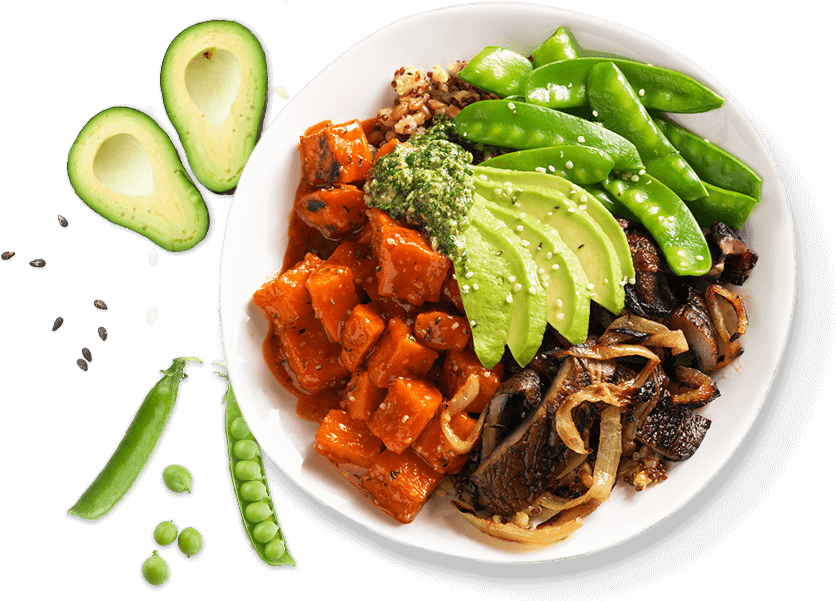
Every plant-based meal is a vote for kindness, justice, a better world, and better health.
Every plant-based meal helps spare animals from the cruelty and suffering of factory farms and slaughterhouses.
A kinder world is possible
We need your help to reframe how animals are perceived by society. By sharing our free resources within your local community, you not only raise awareness but also inspire meaningful dialogue about respect and compassion for animals. Collectively, these actions contribute to a more powerful movement for animal liberation—one that guarantees animals are appreciated, safeguarded, and granted the dignity they rightfully deserve.