
How to Go Vegan?
Easy Ways to Make the Transition
If you are looking for a Practical Vegan Transition Guide, you are in the right place. Learning how to go vegan step by step is not about perfection; it is a meaningful journey of shifting your mindset and nurturing new, kinder habits.
Find your ‘why’
From animal welfare to environmental concerns, there are countless reasons to choose a vegan lifestyle. When your motivation dips or a late-night craving strikes, take a moment to remember what inspired you to make this change in the first place.
If you went vegan for your health, think about how much better you feel now and the many benefits you’ve learned about plant-based eating. If your goal is to reduce your environmental impact, remind yourself of the positive difference you’ve already made since cutting out animal products.
There are also numerous documentaries, books and resources available that can deepen your understanding and help you reconnect with the reasons that resonate most strongly with your values.
Leading With Heart
Mastering the Mindset for a Lasting Vegan Lifestyle
Before altering your diet, you must first shift your mindset. Going vegan is not only about food choices but also about your thoughts, feelings, and perspective on the world — and like any meaningful change, it begins in the mind.
Letting Go of
"All-or-Nothing" Thinking
Transitioning to a vegan lifestyle can feel daunting, as many believe they must go fully vegan overnight or not at all. This “all-or-nothing” mindset often stems from fear. However, the best vegan transition guide will tell you that progress outweighs perfection. Like learning a new language, becoming vegan is a gradual process, and every plant-based meal is a meaningful step forward, not a measure of your worth.
Nurturing New Habits:
Embracing the Vegan Shift
Eating has a strong connection to our feelings and daily habits; thus, becoming vegan may seem like losing the familiar things that make you feel comfortable. These habits form over years, shaped by family, culture, and the way we cope with stress. Instead of thinking about what you’re giving up, try to notice what you’re gaining — new tastes, new habits, and a feeling that you are living your life according to your values.
Cultivating a
Resilient Vegan Identity
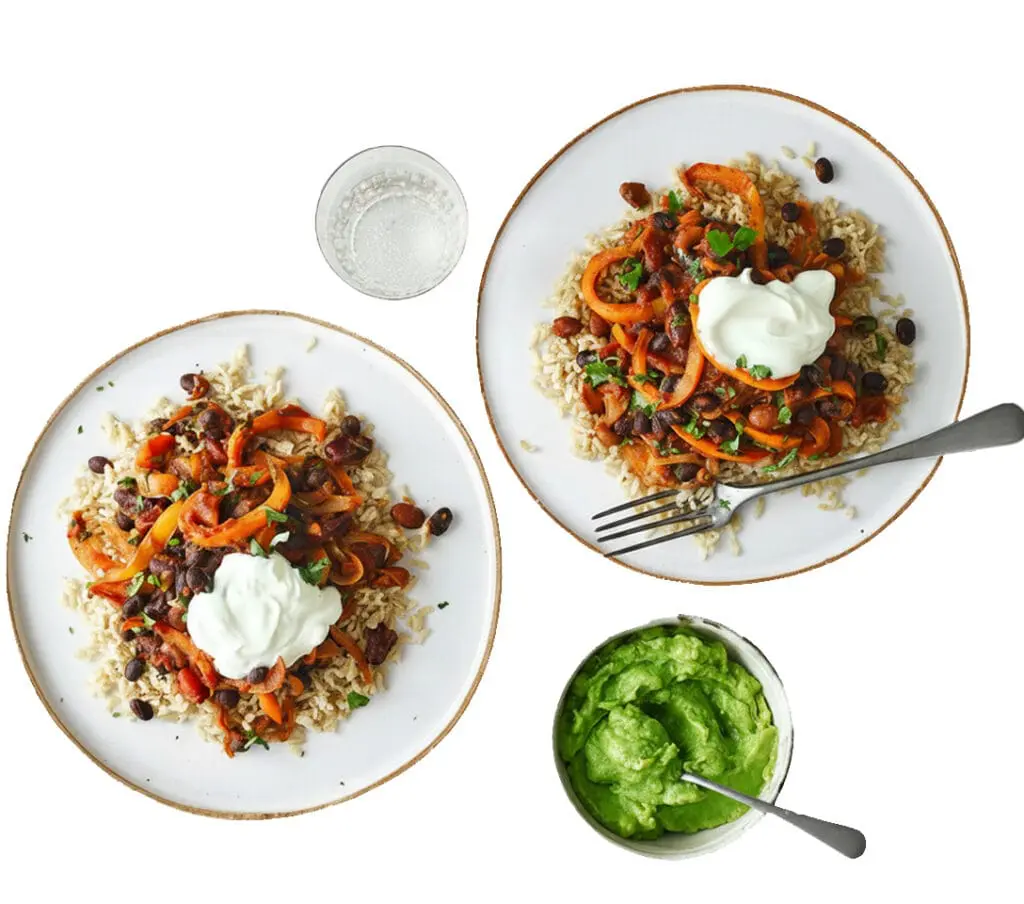
Finding your feet with a vegan lifestyle doesn’t happen overnight. Our habits and sense of self build slowly, and it’s the small choices that make the biggest difference. One of the most helpful tips for going vegan is to think of yourself as someone trying to live with more kindness; each meal then starts to reinforce that idea. Some days will feel easier than others, but noticing your progress and talking to people on the same path helps you grow into it naturally. In time, being vegan stops feeling like a task and simply becomes part of who you are.
Step-by-Step Approach:
How to Go Vegan at Your Own Pace
cold turkey or a gradual transition?
Cold turkey approach
The cold turkey approach means cutting out all animal products from your diet at once, without easing in gradually. While some may find it manageable, especially if they already avoid certain animal foods, for most people it can be a shock to the system. Sudden changes can bring strong cravings, withdrawal-like feelings, and make sticking to veganism more challenging. It takes many people to find it safer and more sustainable to transition gradually in a slower, step-by-step manner.
Gradual transitioning
Allow your body to move to a plant-based diet gradually. Give yourself time to adjust both physically and mentally, treating the process as a journey instead of a quick change. If you are wondering how to go vegan step by step, a great way to start is by having one fully vegan meal each day and slowly increasing this over time, or choosing a few days each week to eat entirely plant-based. Take time to notice how your body reacts to each adjustment. This method not only helps lessen cravings and discomfort; it also allows you to explore new foods, flavors, and recipes at your own pace.
Practical Vegan Transition Guide
What to Eat, Buy, and Make
What to eat
You may be surprised to realise how many vegan foods are already part of your everyday routine—lentils, tortillas, oatmeal, bread, cereal, peanut butter, rice, noodles, beans, quinoa, nuts, tofu, fruit, vegetables and even dark chocolate. The world of plant-based food is incredibly diverse, offering dishes that can be comforting, vibrant, simple, or wonderfully inventive. As you move towards a vegan lifestyle, try shifting your focus from what you’re removing to what you’re adding. Let new ingredients and flavours naturally take up more space on your plate. Many people discover that their diet actually becomes more varied and adventurous once they go vegan, making it a perfect opportunity to explore new recipes and global cuisines.
What to buy
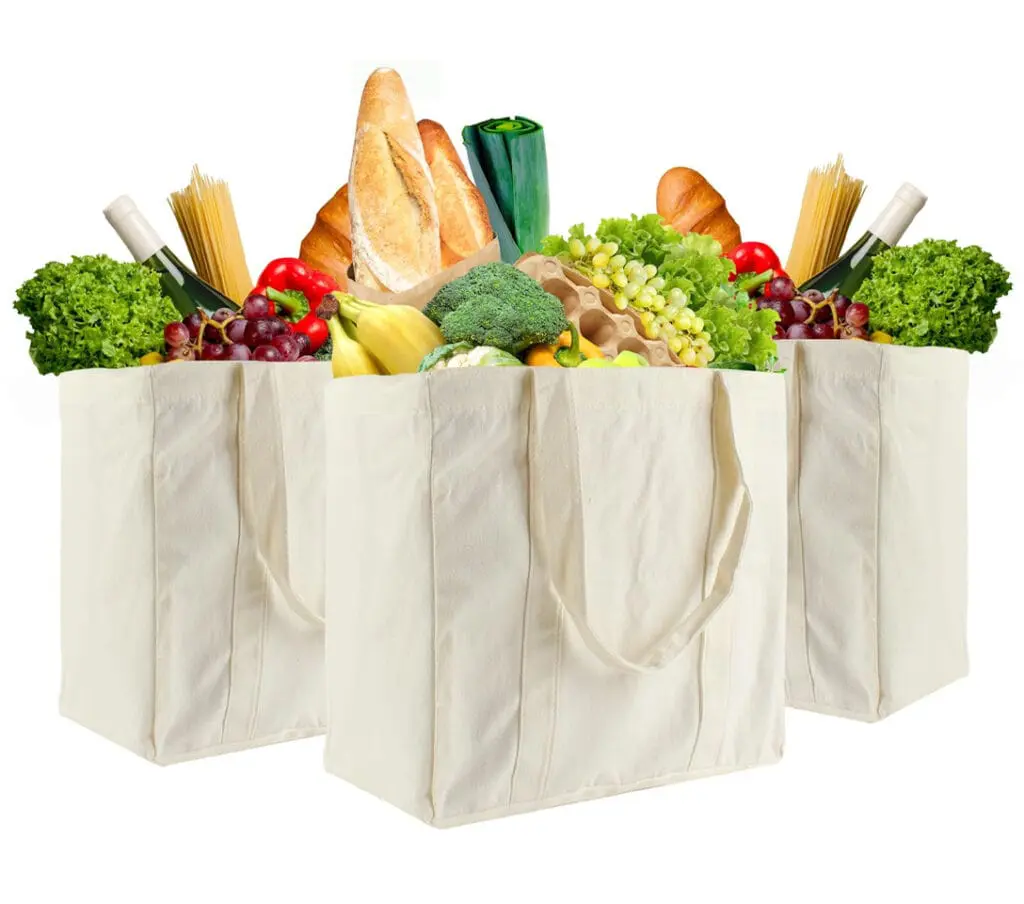
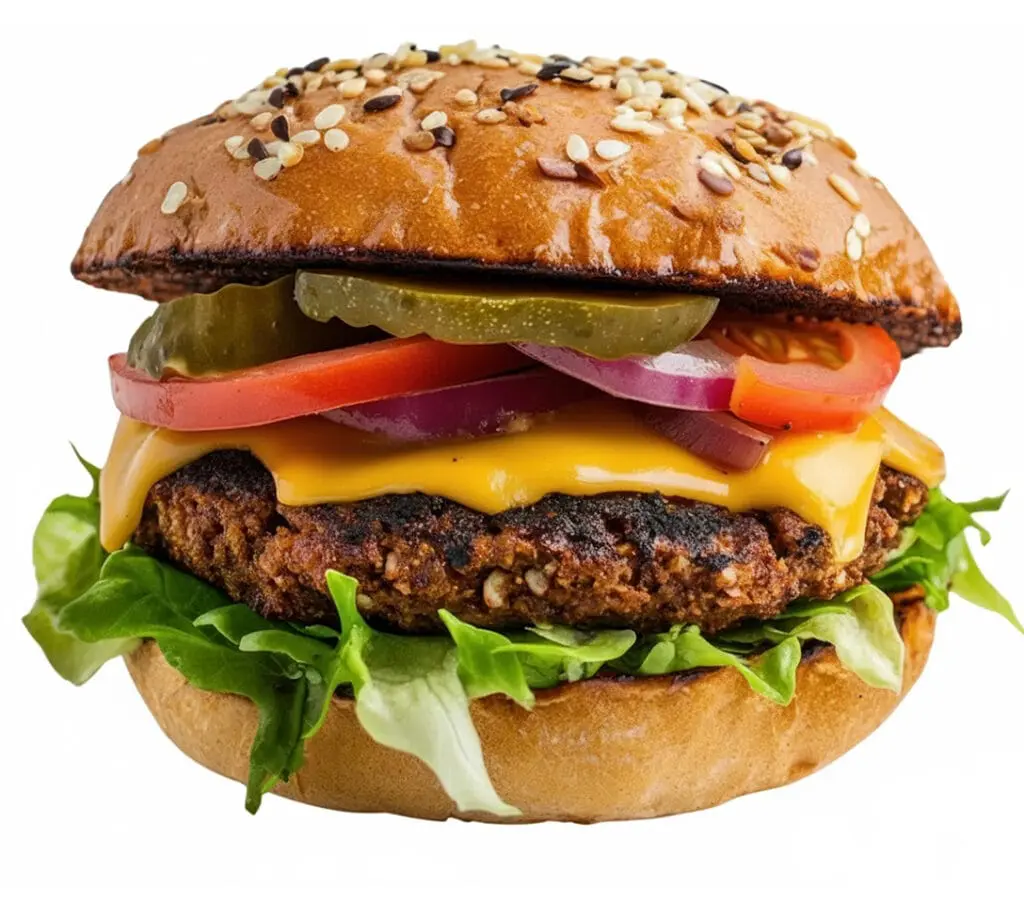
Vegan eating can be surprisingly simple when you stick to the basics. Most of the foods you’ll rely on—fresh fruit and vegetables, grains, beans, nuts, seeds, and everyday herbs and spices—are already available in any supermarket and don’t cost much. You can also choose from plenty of plant milks like soy, almond, rice or coconut, and if you feel like having something more fun, most shops now stock vegan burgers, sausages, cheeses, ice creams and even biscuits and chocolate. These treats can help in the early days, but it’s still best to keep processed foods as an occasional option. What really makes a vegan diet easier is having a kitchen that’s well stocked and knowing a few reliable recipes. Spend a little time planning ahead—it’s much simpler to stay on track when you already know what you’re going to eat next.
What to Make
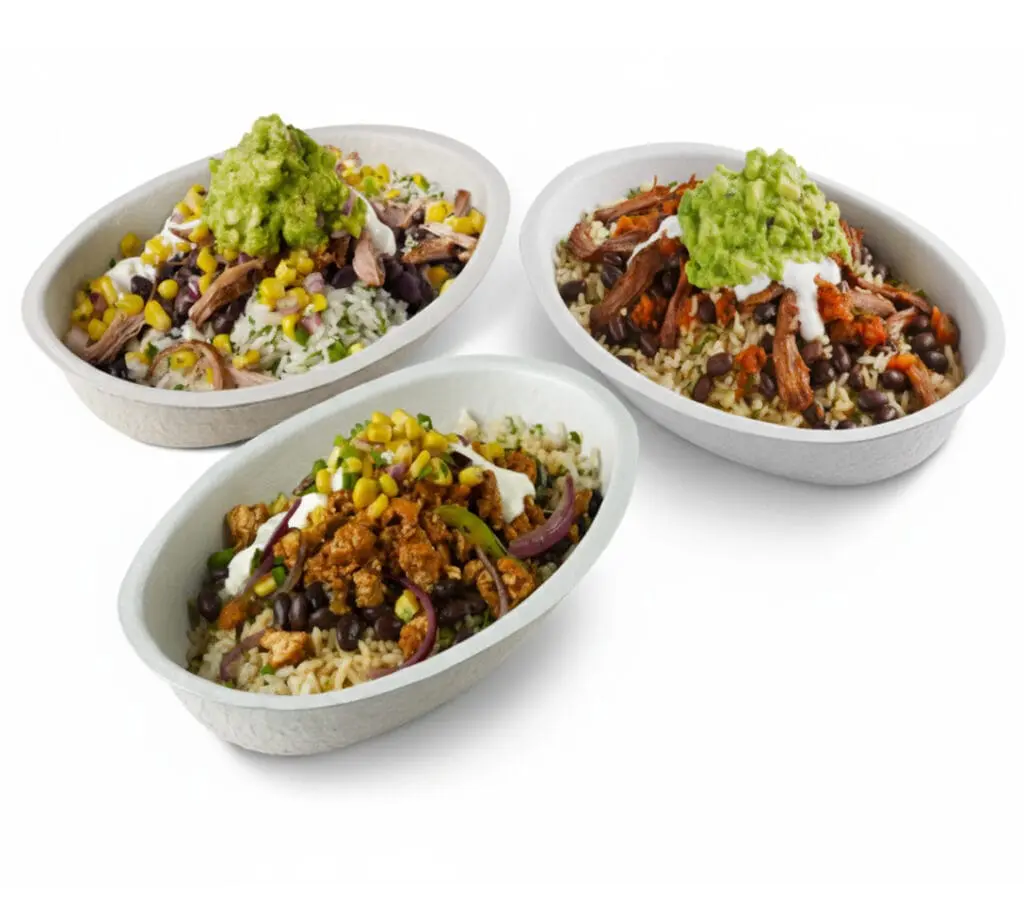
Once you begin exploring plant-based cooking, you’ll quickly see how many familiar dishes can be made vegan with ease. Everyday meals like stir-fries, pasta, rice and beans, curries, sushi bowls, salads, pad thai, quinoa dishes, pizzas and wraps are simple to adapt, while breakfast favourites such as pancakes, French toast and waffles also have excellent vegan versions. Comfort foods—including soups, stews, burgers and toasted sandwiches—remain just as satisfying, and you can still enjoy desserts like cookies, cakes, ice-cream and pies without using animal products. The transition becomes even easier once you realise you’re not giving up your favourite dishes—you’re just learning new ways to prepare them. And whenever you need ideas, simply search the name of any meal followed by “vegan” to find endless recipes and inspiration.
Where to Eat
No matter where you find yourself—at a restaurant, visiting friends, or travelling—there are usually vegan options available; it simply takes a bit of awareness and the confidence to ask. In restaurants, even those that focus heavily on meat, you can nearly always request a vegan-friendly dish. Many chefs are happy to adapt meals or suggest alternatives once you let them know what you need. When dining at a friend’s house, a little preparation helps. Call ahead, ask what they’re planning to serve, and offer to bring a dish or help adjust the menu so you can enjoy the meal together without any fuss. Travelling requires a touch more planning, but it’s still easy to stay on track. A quick check on a vegan-friendly restaurant app can guide you to nearby cafés, markets or eateries with suitable options. With a bit of communication and curiosity, eating vegan away from home becomes not a challenge, but an enjoyable part of the journey.
Tips for Vegan Dining
Staying Grounded as You Embrace a Cruelty-Free Lifestyle
Adopting a vegan lifestyle can feel exciting and a little daunting. You’re discovering new foods and habits, and it’s natural to feel unsure at times. Take it step by step, stay patient with yourself, and focus on progress rather than perfection.
Give Yourself Grace
It takes time to switch to a vegan lifestyle, and it is quite common to make mistakes along the way. Infrequent failures are part of the process, and they don’t invalidate your advancement. Focus on steady improvement rather than perfection. Every mindful choice, every plant-based meal, strengthens your commitment and builds sustainable habits. Be gentle with yourself, make a party of your work, and know that it takes time for a deep change to come.
Embrace Flexibility
Transitioning to a vegan lifestyle doesn’t have to be all or nothing. It’s perfectly normal to take a flexible approach, especially in the beginning. You might start by having fully plant-based meals at home while allowing yourself a small non-vegan treat when eating out, or gradually replacing animal products with vegan alternatives over time. The key is to find a rhythm that feels sustainable for you.
Set Realistic Expectations
Going vegan is a journey, not a race. Focus on small, steady changes rather than perfection. Celebrate every step, whether it’s trying a new vegan recipe, swapping a favourite snack, or enjoying a plant-based meal out. Each success, however small, keeps you motivated and makes the transition easier.
Create a Supportive Environment
Communicate with friends or family members who encourage your decisions. You can also be a part of online communities or look for local vegan groups. Motivating each other by sharing experiences, recipes, and challenges not only keeps you going but also makes the way fun. Don’t forget that having a supportive environment helps you stay consistent and confident in your new lifestyle.
But Where Do You Get
Your Protein?
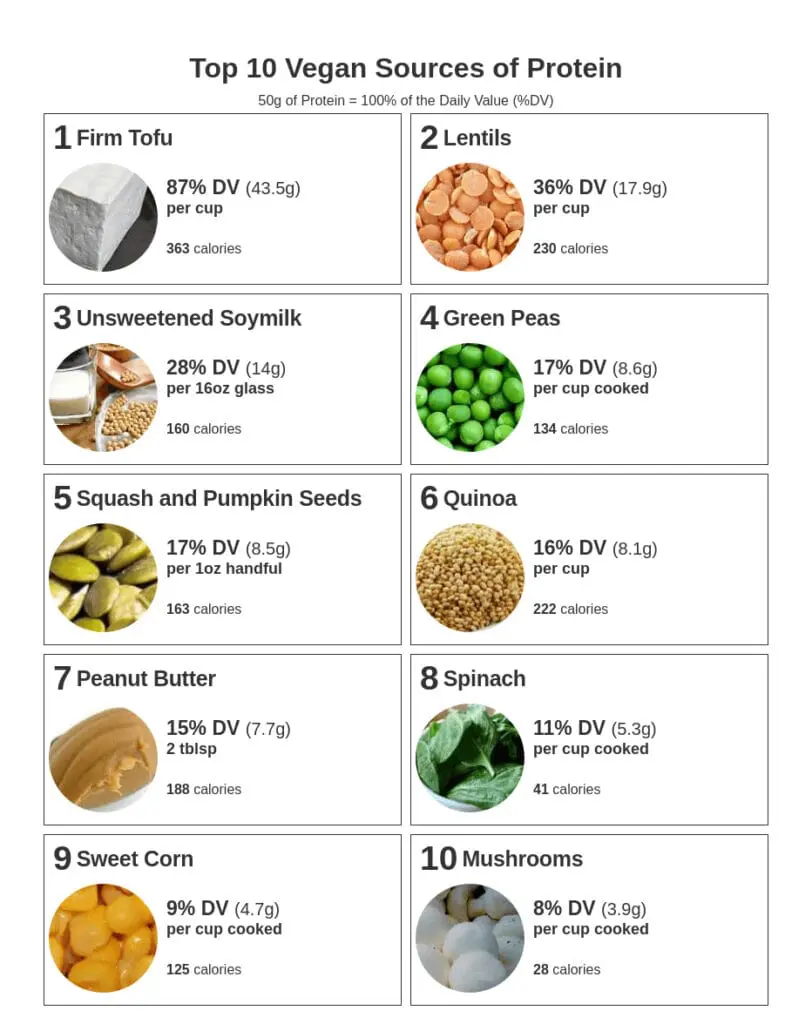
For many, the idea of going vegan immediately raises the question: “But where will I get my protein?” Years of marketing have built the myth that we constantly need large amounts of protein from animal sources, yet in reality, most people—especially in Western countries—already consume more protein than their bodies require. True protein deficiency is extremely rare, and if you follow a balanced vegan diet with sufficient calories, meeting your protein needs is entirely straightforward.
Daily protein requirements average around 55 grams for men and 45 grams for women. Fortunately, the plant kingdom offers an abundance of protein-rich foods. Pulses like lentils, chickpeas, beans, peas, and soya are excellent sources, while nuts, seeds, and whole grains—such as wholemeal bread, wholewheat pasta, and brown rice—also contribute significantly. Even a single generous serving of cooked tofu can provide up to half of an adult’s daily protein requirement.
By incorporating a variety of these foods into your daily meals, you can easily maintain optimal protein intake without relying on animal products. A vegan diet is not only sufficient for protein—it’s also nutrient-dense, heart-healthy, and sustainable for both you and the planet.
What supplements
do I need to take?
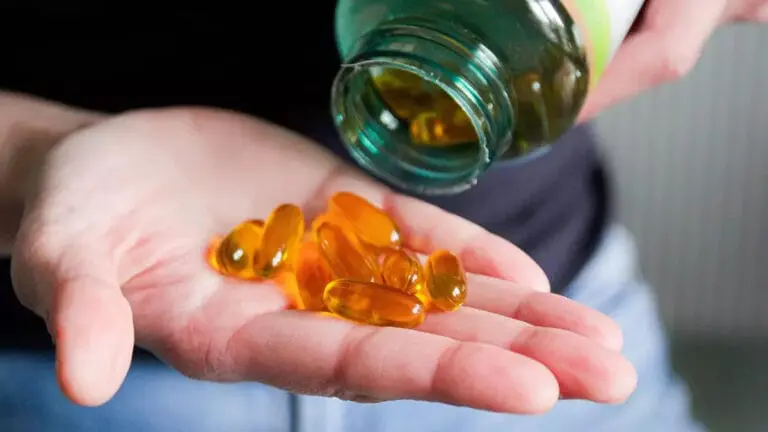
A varied vegan diet can supply all the nutrients you need and is generally healthier than a typical Western diet. Vegans (and non-vegans) should keep an eye on vitamin B12, vitamin D, iodine, and omega-3 intake. Prioritising whole plant foods—fruits, vegetables, whole grains, pulses, nuts, and seeds—offers far greater nutritional benefit than relying on supplements, and avoids the risks of excessive intake of certain vitamins and minerals.

Vitamin B12
It is advisable to aim for a daily intake of 5 micrograms of vitamin B12, obtained through a combination of fortified foods and regular supplements, to ensure adequate levels. Fortified options include yeast extracts (such as Marmite or Vegemite), nutritional yeast flakes enriched with B12, plant-based milks and yoghurts fortified with B12, B12-enriched breakfast cereals, and fortified margarines.
Vitamin D
Adults require 10 micrograms (400 IU) of vitamin D daily. In the spring and summer months, most people get sufficient vitamin D from sunlight exposure, but during the winter, a supplement is recommended for everyone, not only vegans. Good plant-based sources include vitamin D-fortified plant milks, fortified vegetable margarines, breakfast cereals labelled as vegan-friendly, and vitamin D-enriched mushrooms (always check the label).
What is a balanced vegan diet?
A well-planned vegan diet is built around colourful fruits and vegetables, whole grains, beans and lentils, nuts, and seeds. It’s not about restriction — it’s about variety. In fact, you may be surprised to realise that many of the foods you already enjoy are naturally plant-based.
Going vegan doesn’t mean giving up your favourite meals. With a few simple swaps, you can recreate familiar classics and discover new flavours along the way. From hearty pastas to comforting curries and nourishing bowls, plant-based eating can be both satisfying and exciting.
That said, like any diet, balance matters. A vegan diet based mostly on ultra-processed foods like pastries, biscuits, and fries won’t support your health goals. Focusing on whole foods, adding variety, and allowing yourself the occasional treat creates a sustainable approach you can maintain long term.
What Do I Need Each Day on a Vegan Diet?
Fill Half Your Plate with
Fruits & Vegetables
5–8 servings daily
Choose fresh, frozen, steamed, roasted, or blended options. Eat a variety of colours to maximise antioxidants and phytonutrients.
→ Supports immune health
→ Rich in fibre, vitamin C, beta-carotene & potassium
→ Helps reduce inflammation
Choose Whole Grains
for Steady Energy
3–4 servings daily
Opt for brown rice, wholemeal bread, oats, wholewheat pasta, and quinoa.
→ Provides complex carbohydrates
→ High in B vitamins & magnesium
→ Supports gut and metabolic health
Prioritise Plant-Based Protein
2–3 servings daily
Include lentils, beans, chickpeas, tofu, tempeh, edamame, and soy products.
→ Excellent vegan protein sources
→ Rich in iron, zinc & fibre
→ Supports muscle and overall health
Add Nuts & Seeds Daily
2 tablespoons or a small handful
Choose almonds, walnuts, chia seeds, flaxseed, pumpkin seeds, or nut butters.
→ Provides healthy fats
→ Source of omega-3 (ALA)
→ Supports heart health
Use Healthy Plant Oils
in Moderation
Small amounts
Use extra virgin olive oil, flaxseed oil, or hemp oil for cold dishes. Choose rapeseed (canola) or soy oil for cooking.
→ Supplies essential fatty acids
→ Enhances nutrient absorption
Don’t Forget Vitamin
B12 & Vitamin D

A vitamin B12 supplement is essential on a vegan diet. Vitamin D may also be needed, depending on sun exposure.
→ Prevents deficiency
→ Supports nerve function & bone health
Keep learning
Keep in mind that adopting a vegan lifestyle is very much a learning journey. Navigating life as a vegan in a world largely centred around animal-based foods requires both courage and a curious mindset. Although veganism has existed since 1944, it remains a relatively unfamiliar concept for many, and each person’s path to fully embracing it is unique. By treating this journey as a Practical Vegan Transition Guide for yourself, you can take the time to explore different aspects—from nutrition and ethics to environmental impact—and allow yourself to grow gradually. Celebrate your achievements along the way, no matter how small, as every step forward is a sign of progress and commitment to your new way of living.
Remember why
Keep your “why” close. Remind yourself of the values that led you to choose a vegan lifestyle and the positive changes you’ve felt since making that shift. While you explore easy ways to go vegan, most people discover that living this way is far easier – and far more rewarding – than they ever imagined. Even when following a healthy vegan diet for beginners, it’s normal to have moments when everything feels overwhelming. When that happens, pause. Breathe. Reflect on how far you’ve come and what you stand for.
Surround yourself with inspiration. A thoughtful book, an uplifting documentary, or even a short video can reignite your motivation. Visual reminders—perhaps a photo of an animal you love or a message that resonates with your values—can keep you grounded. And if you have the chance, visit an animal sanctuary. Spending time with animals often treated as commodities and seeing their unique personalities up close can be profoundly moving, reminding you exactly why your choices matter. If a visit isn’t possible, the countless heart-warming animal videos available online offer the same gentle reminder: compassion is always worth choosing.