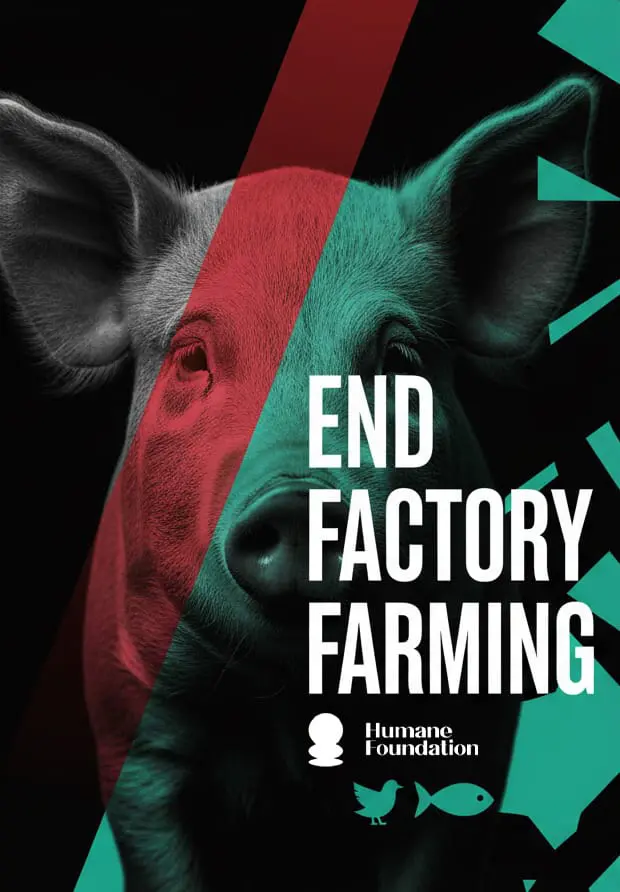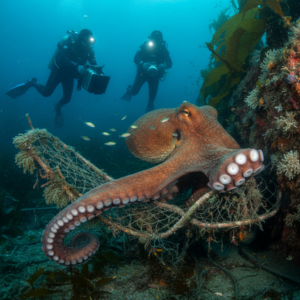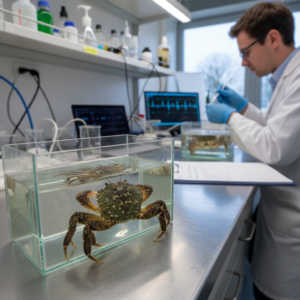

Shocking facts about factory farming and why we need to change
A comprehensive factory farming overview reveals the hidden realities behind the global food system, where efficiency is prioritised over animal welfare and biological balance. The hidden animal cruelty in factory farming is at the core of this industrial model, exposing profound ethical and ecological contradictions and highlighting a global crisis that threatens ecosystems and depletes vital natural resources.
Beneath the industrial surface, the reality of animal cruelty remains the most silent yet pervasive consequence of mass production, where living beings are reduced to mere units of output. This disconnection from nature extends further into the public sphere, where the intricate link between factory farming and human health poses escalating risks through zoonotic threats and environmental contamination. As we confront these systemic failures, the collective movement to stop factory farming transcends simple activism—it becomes a necessary pursuit of a food system rooted in transparency, planetary health, and restorative justice.
The hidden truth behind UK animal farming - featuring approximately 100 facilities across the UK and never before seen footage.
What is factory farming?
Factory farming, also known as concentrated animal feeding operations (CAFOs), is a modern industrial method of rearing animals — collectively referred to as livestock — with the primary aim of maximising production and minimising costs. This highly intensive system treats animals as production units rather than living beings, prioritising profit above welfare, sustainability, or ethics.
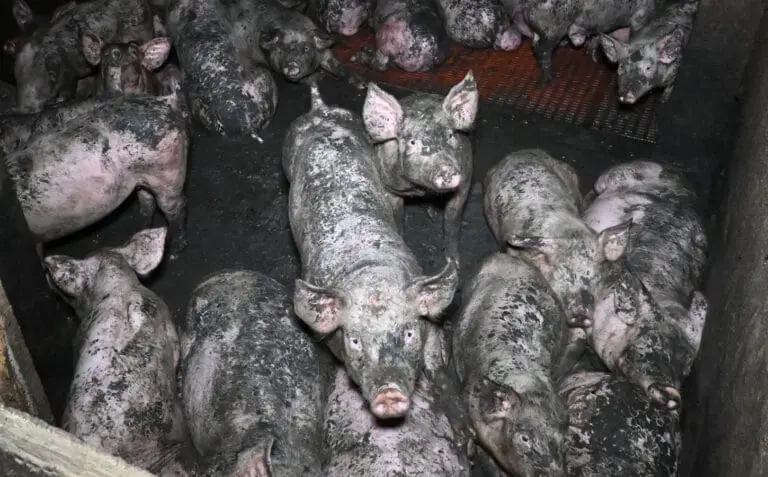
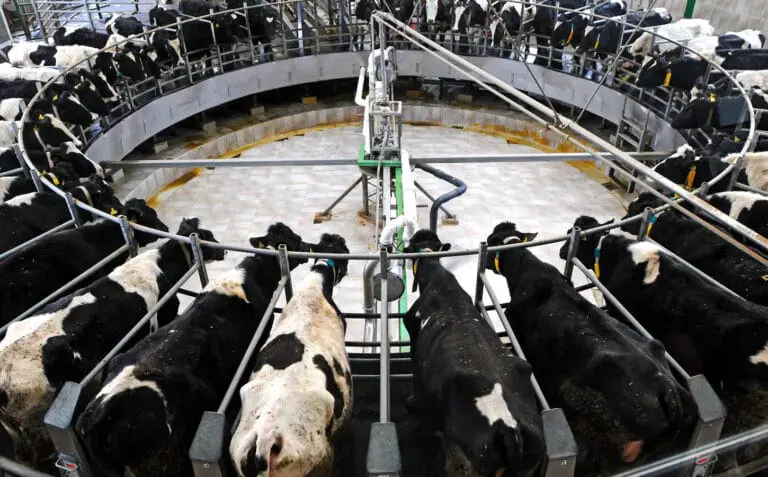
In factory farms, vast numbers of animals such as cows, pigs, chickens, and fish are confined in overcrowded, enclosed spaces where they spend their entire lives deprived of sunlight, fresh air, and natural behaviours. Conditions are often unhygienic, with little to no environmental enrichment, leading to immense physical and psychological suffering. In some cases, factory farming is not limited to food production — animals such as minks are also farmed intensively for their fur, enduring similar confinement and neglect.
Over the past century, animal agriculture has transformed from small, family-run farms into a vast, industrialised system driven by speed and efficiency. Animals that once grazed freely in open fields are now packed by the thousands — sometimes millions — into large metal sheds, condemned to a life of confinement. Selective breeding for maximum yield has created animals with oversized bodies and unnatural growth rates, often leaving them struggling to walk or even stand. To keep them alive in such conditions, factory farms rely heavily on antibiotics, increasing the global threat of drug-resistant “superbugs.”
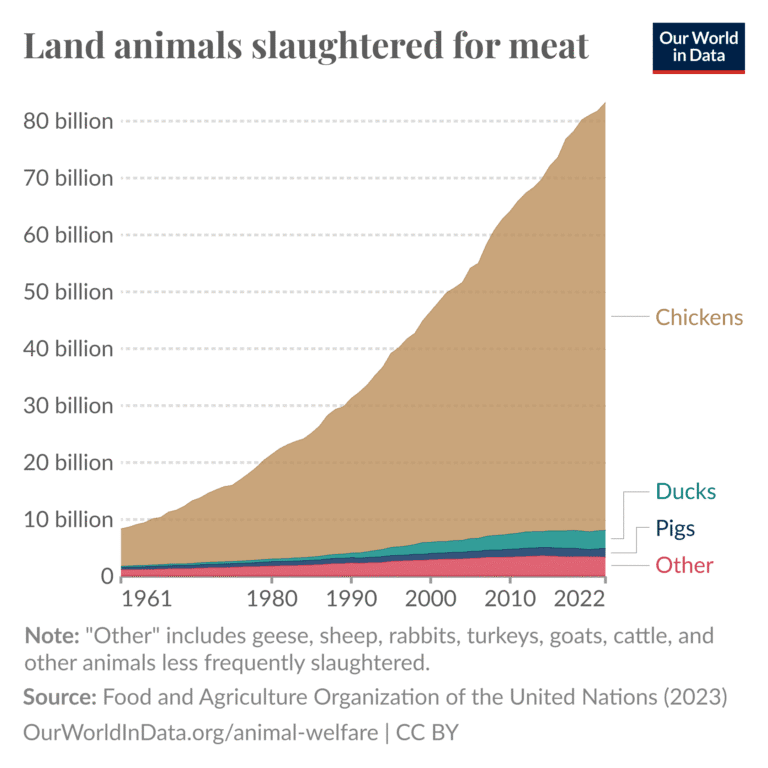
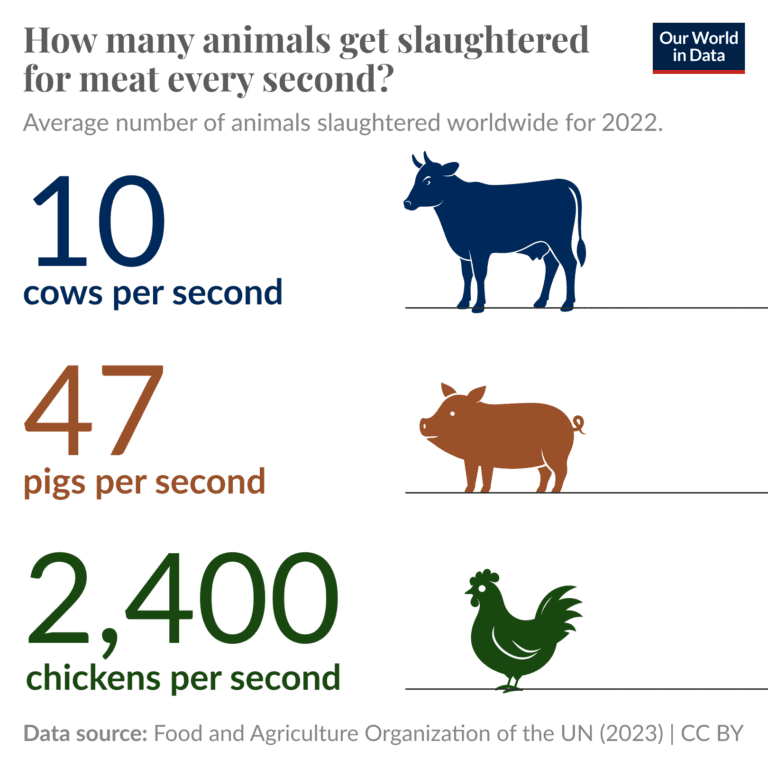
Every year, over 100 billion animals worldwide are slaughtered for meat, dairy, and other animal products. Beyond the unimaginable scale of suffering, factory farming also devastates the environment — contributing to deforestation, water and air pollution, greenhouse gas emissions, and the loss of biodiversity. Moreover, the overcrowded and unsanitary conditions of industrial farms pose a serious pandemic risk, providing ideal breeding grounds for infectious diseases.
factory farming has become a global crisis — one that affects not only animals but also the health of our planet and humanity itself.
References
- https://www.who.int/news/item/07-11-2017-stop-using-antibiotics-in-healthy-animals-to-prevent-the-spread-of-antibiotic-resistance
- https://ourworldindata.org/data-insights/billions-of-chickens-ducks-and-pigs-are-slaughtered-for-meat-every-year
- https://www.worldanimalprotection.org.uk/latest/news/overuse-antibiotics-uk-factory-farms-deaths/
- https://sentientmedia.org/how-many-animals-are-killed-for-food-every-day/
- https://www.mdpi.com/2079-6382/14/6/621
Estimated Number Killed Annually
83 billion land animals are killed for meat and many trillions of fish and shellfish. Here are estimates for how many animals are killed each year globally, broken down by land animals and aquatic animals, along with sources:
Land animals
Chickens – 75,208,676,000
Sheep and Lambs – 637,269,688
Cattle – 308,640,252
Turkeys – 515,228,000
Ducks – 3,190,336,000
Goats – 504,135,884
Pigs – 1,491,997,360
Horses – 4,650,017
Goose and Guinea Fowl – 750,032,000
Rabbits – 533,489,000
Aquatic animals (fish & others)
Farmed Fish – 124 billion
Wild Fish – 1.1 to 2.2 trillion
Farmed crustaceans – 253 to 605 billion
Wild Shellfish – Many trillions
References
- https://www.fao.org/faostat/en/#home
- https://fishcount.org.uk/fish-count-estimates-2/numbers-of-farmed-decapod-crustaceans
- https://www.openphilanthropy.org/focus/farm-animal-welfare/fish-welfare/
- https://ourworldindata.org/data-insights/billions-of-chickens-ducks-and-pigs-are-slaughtered-for-meat-every-year
Why is factory farming bad?
Hidden animal cruelty in factory farming harms animals, people, and the planet. Behind industrial efficiency and low-cost production, intensive profit-driven methods systematically threaten animal welfare, damage ecosystems, and create serious public health risks—making factory farming an unsustainable and ethically troubling practice for the future.
Animal welfare
Animal welfare philosophy and legislation are based on the Five Freedoms, which outline the essential conditions for an animal’s well-being:
- Freedom from hunger and thirst – access to fresh water and a diet to maintain full health and vigour.
- Freedom from discomfort – providing an appropriate environment, including shelter and a comfortable resting area.
- Freedom from pain, injury, or disease – prevention or rapid diagnosis and treatment.
- Freedom to express normal behaviour – sufficient space, proper facilities, and company of the animal’s own kind.
- Freedom from fear and distress – ensuring conditions and treatment that avoid mental suffering.
Factory farming severely compromises animal welfare by preventing animals from expressing their natural behaviours and achieving basic well-being. The harsh conditions on typical industrial farms make it impossible for animals to experience even a single one of the Five Freedoms. Pigs are denied the ability to root in the soil or wallow in mud, dairy cows are prevented from nursing their calves, and ducks cannot swim, feed, or play in water as they naturally would.
Intensive confinement systems, such as battery cages for hens or gestation crates for pigs, restrict movement and prevent animals from expressing their full behavioural repertoire. Routine procedures like debeaking, tail-docking, and other mutilations cause chronic pain, yet are often carried out without proper monitoring or care. Overall, factory farming subjects animals to prolonged stress, suffering, and deprivation, highlighting profound ethical and welfare concerns.
Environmental impact
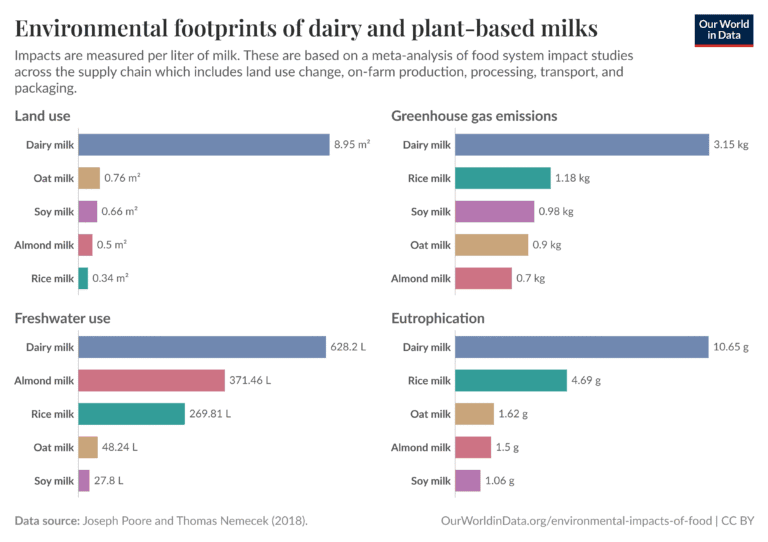
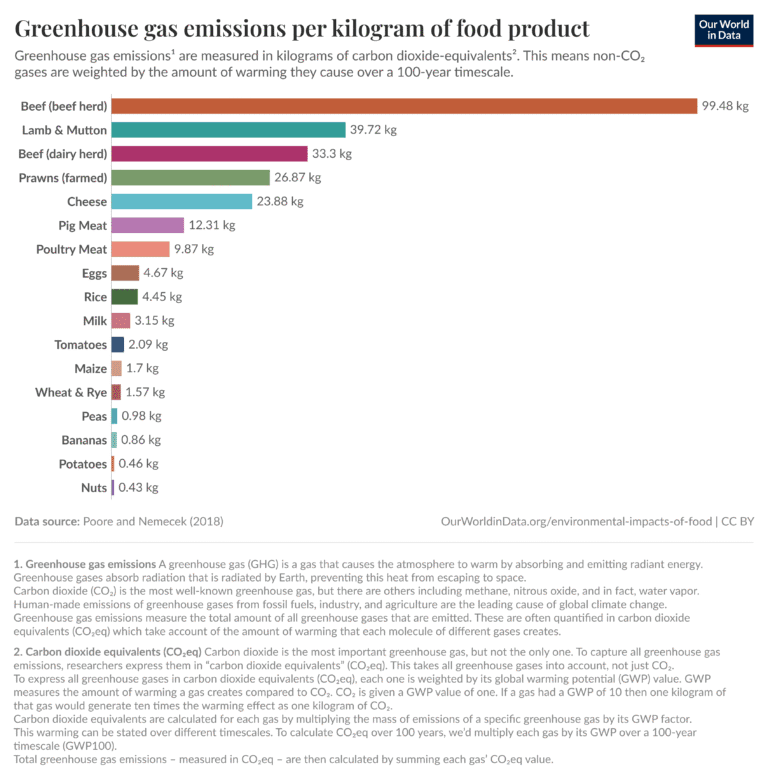
Factory farming poses one of the greatest threats to global environmental sustainability. It is a major contributor to greenhouse gas emissions, accounting for roughly 20% of global emissions, and is a significant driver of climate change. The system is extremely resource-intensive, consuming vast amounts of water, land, and energy to sustain the animals and grow the enormous quantities of feed they require.
Industrial-scale animal agriculture also generates severe pollution, contaminating waterways, soil, and air. Runoff from manure and fertilised crops often leads to algal blooms, which deplete oxygen in aquatic ecosystems and devastate biodiversity. In addition, large-scale feed production fuels deforestation, destroying natural habitats and accelerating the loss of wildlife.
The scale of waste is staggering: a single hog can produce 1.5 tons of manure annually, and the cumulative waste from intensive livestock operations contaminates vast areas of land and water.
Factory farming is an unsustainable and ecologically destructive system, driving climate change, ecosystem collapse, and the depletion of critical natural resources, making it one of the most pressing environmental challenges of our time.
Human health issues
Factory farming poses serious risks to human health for people nearby and far away. Keeping animals in crowded spaces makes it easier for diseases, including those that can spread from animals to humans, to develop and spread. These conditions have led to outbreaks like avian influenza and swine flu, and they could make future pandemics even worse than COVID-19.
Another major issue is the heavy use of antibiotics in raising livestock. About 75 per cent of all antibiotics worldwide are used in farm animals, mostly to stop disease in crowded and stressful conditions. This overuse speeds up antimicrobial resistance, which could become a bigger health threat than cancer by 2050.
Factory farms also create environmental health hazards. Waste runoff and air pollution add toxins like ammonia to water, soil, and air, which can cause breathing problems and other long-term health issues. In addition, meat from these farms is often contaminated with bacteria like Salmonella and E. coli, putting consumers at further risk.
References
- https://news.un.org/en/story/2019/04/1037471
- https://thehumaneleague.org/article/what-is-a-cafo?utm_medium=blog&ms=c_blog
- https://pmc.ncbi.nlm.nih.gov/articles/PMC9757169/
- https://pmc.ncbi.nlm.nih.gov/articles/PMC12304651/
- https://www.farmsanctuary.org/issue/public-health/
- https://www.weforum.org/stories/2020/07/what-is-environmental-racism-pollution-covid-systemic/
- https://ourworldindata.org/environmental-impacts-of-food
Animal Cruelty: Inhumane Practices on Factory Farming
On factory farms, animals don’t really get to live—they exist. From the moment they are born, their world is small and controlled, with little space to move, explore, or behave as they naturally would. Every stage of their life is planned for speed and output, not comfort or well-being. They grow too fast, move too little, and are processed quickly, as part of a system that values efficiency over the experience of a living being.
Confinement and Animal Health
When animals are kept in tightly confined, intensive farming systems, their health often deteriorates in ways that go beyond simple illness. Limited space, lack of stimulation, and constant physical restriction place ongoing stress on their bodies and minds. Over time, this stress manifests as injury, disease, and chronic discomfort.
Broiler chickens, bred to grow unnaturally fast, often struggle to support their own weight, leading to painful leg problems and strain on their hearts. Breeding sows confined in metal crates are unable to turn around or nest, and many develop repetitive stress behaviours, infections, and painful pressure sores. Dairy cows housed in intensive systems frequently suffer from lameness and mastitis, conditions that affect their mobility, comfort, and overall quality of life.
Routine Mutilations
In many intensive farming systems, physical mutilations are routinely used to control behaviours caused by crowded, stressful, and barren conditions. Practices such as beak trimming, tail docking, and castration are often performed at a young age, frequently without anaesthesia. Research shows these procedures cause immediate pain and, in some cases, long-term suffering due to nerve damage. Crucially, they fail to address the root causes of the behaviours—limited space, lack of enrichment, and genetic selection focused on productivity rather than welfare.
For example, beak trimming in chickens aims to reduce injurious pecking linked to boredom and overcrowding, despite the beak being highly sensitive. Tail docking in pigs and dairy cattle is used to manage stress-related behaviours or hygiene concerns, though it causes pain and offers little benefit when housing improves. Castration without pain relief remains common and can result in prolonged suffering. Across species, providing more space, stimulation, and better management reduces problematic behaviours and lessens the need for invasive procedures.
Genetic manipulation
Selective breeding has pushed farm animals to grow faster, produce more milk, or lay more eggs—but often at a high cost to their health and well-being. Broiler chickens, for example, gain weight so quickly that their legs, hearts, and metabolism struggle to keep up, causing pain and health problems. High-producing dairy cows and egg-laying hens face similar challenges, from metabolic disorders to fragile bones. While breeding can reduce some painful procedures, like dehorning, the focus on extreme productivity leaves animals fragile and vulnerable, and crowded, uniform populations make disease outbreaks far more likely—showing how the drive for efficiency often comes at the expense of the animals themselves.
In conclusion, this Factory Farming Overview highlights the profound ethical, environmental, and health consequences of industrial animal agriculture. The hidden animal cruelty in factory farming is not just a distant issue—it affects millions of animals daily and contributes to ecological destruction, climate change, and rising health risks for humans. By understanding these shocking facts about factory farming, we can see why this system is not only harmful but also unsustainable for the future of our planet.
Awareness of animal cruelty: inhumane practices on factory farming and the reasons why factory farming is bad is the first step toward change. Supporting ethical alternatives, reducing reliance on industrial meat, and demanding better animal welfare policies can help transform the global food system. Every choice matters—by addressing the hidden harms of factory farming, we can protect animals, safeguard human health, and preserve the environment for generations to come.
How can we stop factory farming?
Ending factory farming requires action from governments, businesses, and individuals alike.
Governments must phase out cruel confinement systems, restrict the overuse of antibiotics, and redirect agricultural subsidies towards sustainable and plant-based farming. Stronger environmental regulations and transparency in food labelling can also drive meaningful change.
Businesses play a key role too — by committing to higher animal welfare standards, reducing their dependence on industrial meat, and investing in plant-based and cultivated alternatives.
At the individual level, people can make a powerful impact by reducing or eliminating their consumption of factory-farmed products, supporting ethical food brands, and demanding policy reform.
Ultimately, stopping factory farming isn’t just about protecting animals — it’s about safeguarding public health, restoring ecosystems, and creating a more just and sustainable food system for everyone.