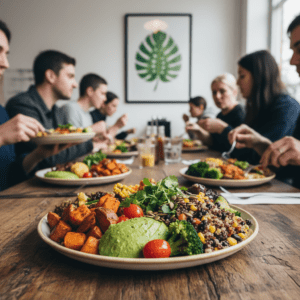

In a sun-drenched kitchen in Lisbon, four-year-old Leo mashes a ripe avocado onto a slice of toasted sourdough with focused determination. His mother, an architect named Sofia, sprinkles it with hemp seeds and nutritional yeast, transforming the simple snack into a powerhouse of healthy fats, protein, and B vitamins. This quiet moment, a daily ritual of nourishment and connection, is at the heart of a global movement: families choosing to raise their children on plants, not just for ethical or environmental reasons, but for their vibrant health and well-being.
Key takeaways
- ✅ Nutritionally Sound: Major dietetic and health organizations, including the Academy of Nutrition and Dietetics, affirm that well-planned vegan and vegetarian diets are appropriate for all stages of life, including infancy, childhood, and adolescence.
- 🔬 Focus on Key Nutrients: Parents must pay special attention to ensuring adequate intake of vitamin B12 (through supplementation), iron, vitamin D, calcium, iodine, and omega-3 fatty acids (specifically DHA).
- 🌍 A Global Tradition: Raising children on plant-centric diets is not a new Western trend. Many cultures, from the lentil-based diets of India to the rich vegetable stews of Ethiopia, have raised healthy children on plants for centuries.
- 🤝 Community is Key: Navigating social situations like school lunches, birthday parties, and family gatherings requires planning and clear, gentle communication. Finding a supportive community, online or locally, is invaluable.

The New Family Table: More Than Just a Diet
Choosing a plant-based path for your family is a profound decision that extends far beyond the kitchen. It’s a commitment to a conscious way of living, a choice that intertwines health, ethics, and environmental stewardship. For many, it is an act of hope—a way to nurture a generation of children who are not only healthy but also deeply connected to their food and the planet. Yet, this path can feel daunting, paved with unsolicited advice and persistent myths. The goal of this guide is to provide a clear, evidence-based roadmap for parents, empowering them to raise thriving, joyful, plant-powered children.
The cultural narrative around childhood nutrition is deeply entrenched in concepts of "milk for strong bones" and "meat for protein." To challenge this is to swim against a powerful current. However, a growing body of scientific evidence is not just validating the safety of plant-based diets for children, but highlighting their potential benefits, such as promoting a healthy weight, reducing the risk of chronic diseases later in life, and fostering a diverse gut microbiome.
"A well-planned plant-based diet can be one of the healthiest ways to eat, providing a wealth of nutrients that will support a child’s growth and development, whilst at the same time protecting them against a number of chronic diseases in the longer term." — Dr. Shireen Kassam, Founder, Plant-Based Health Professionals UK
This journey begins not with restriction, but with abundance. It’s about discovering the kaleidoscopic variety of fruits, vegetables, whole grains, legumes, nuts, and seeds. It’s about teaching children to love the vibrant flavors of a ripe mango, the earthy goodness of lentils, and the creamy satisfaction of a sunflower seed butter. It’s about building a new family table, one centered on compassion, health, and a sustainable future.
First Foods: Building a Nutrient-Dense Foundation
The first two years of life are a period of explosive growth, and nutrition is the scaffolding upon which this development is built. For plant-based infants and toddlers, every bite counts. The key is nutrient density.
From around six months, alongside breast milk or formula, first foods can be introduced. Soft, single-ingredient purées like mashed avocado, sweet potato, or iron-fortified baby oatmeal are excellent starting points. As the baby develops, you can introduce a wider variety of textures and foods.
Key Nutrients of Focus
While a varied diet will cover most needs, some nutrients require special attention.
- Vitamin B12: This is the only nutrient not reliably found in a plant-based diet. It is essential for neurological development and producing red blood cells. All plant-based children (and adults) must supplement with B12. This is non-negotiable. Options include fortified foods (milks, cereals, nutritional yeast) or a direct supplement (liquid drops or chewables).
- Iron: Plant-based iron (non-heme iron) is less readily absorbed than iron from meat. However, plant-based diets are often very rich in iron. To maximize absorption, pair iron-rich foods with a source of vitamin C. Think lentils with tomatoes, or fortified cereal with strawberries.
- Calcium: Crucial for bone health, calcium is abundant in fortified plant milks, tofu (made with calcium sulfate), leafy greens like kale and bok choy, and tahini.
- Vitamin D: The "sunshine vitamin" is vital for calcium absorption. Many children, regardless of diet, may need a supplement, especially those in northern latitudes. Fortified plant milks and cereals are good sources.
- Omega-3s (DHA/EPA): Essential for brain and eye development. While our bodies can convert ALA (found in flax, chia, and hemp seeds) to DHA and EPA, the conversion rate can be low. A direct, algae-based DHA/EPA supplement is often recommended for pregnant and breastfeeding people and young children.
Sample Meal Plan for a Plant-Based Toddler (Age 2)
| Meal | Sample Offering |
|---|---|
| Breakfast | Oatmeal made with fortified soy milk, topped with mashed berries and a sprinkle of ground flaxseed. |
| Morning Snack | Mashed avocado on whole-wheat toast strips. |
| Lunch | Red lentil pasta with a simple tomato sauce, served with steamed broccoli florets. |
| Afternoon Snack | A small bowl of fortified pea milk and a few slices of soft pear. |
| Dinner | Mild chickpea and sweet potato curry with quinoa. |
| Bedtime | A small amount of unsweetened fortified plant-based yogurt. |
The Pediatrician's Perspective: Navigating Checkups and Concerns
Finding a supportive healthcare provider is perhaps the most critical step for plant-based families. While many pediatricians are knowledgeable, others may have outdated training regarding plant-based nutrition, leading to unnecessary concern.
When interviewing a potential pediatrician, consider asking:
- What is your experience with plant-based (vegan or vegetarian) children?
- What are your thoughts on the position of the Academy of Nutrition and Dietetics on this topic?
- Which growth charts do you use? (The WHO growth charts are preferred as they are based on breastfed infants as the norm).
- How would you approach monitoring key nutrients like iron and B12?
Come to your appointments prepared. Keep a food diary for a few days to show the variety and nutrient-density of your child’s diet. Share the resources and expert opinions that inform your choices. A collaborative relationship with your pediatrician, built on mutual respect and open communication, is the goal.
A well-planned and supplemented plant-based diet can not only meet but exceed the nutritional needs for growth and development.
If you encounter resistance, remember that you are your child's best advocate. Seek a second opinion or find a registered dietitian who specializes in plant-based pediatric nutrition. Organizations like Plant-Based Health Professionals UK and the Plant-Based Docs directory in the US can be invaluable resources.

Beyond the Plate: Social Lives and School Lunches
As your child grows, their social world expands, and food is often at the center of it. Birthday parties, school lunches, and holiday gatherings can present challenges. With a bit of planning and positive communication, these can be navigated with ease.
- Birthday Parties: Offer to bring a dish that everyone can enjoy, like vegan cupcakes or a vibrant fruit platter. Pack a special treat for your child so they don
Sources
- — Plant-Based Health Professionals UK (2022)
- — Water Footprint Network