

Plant-Based
for Health

Plant-Based Eating

Plant-Based for Health benefits

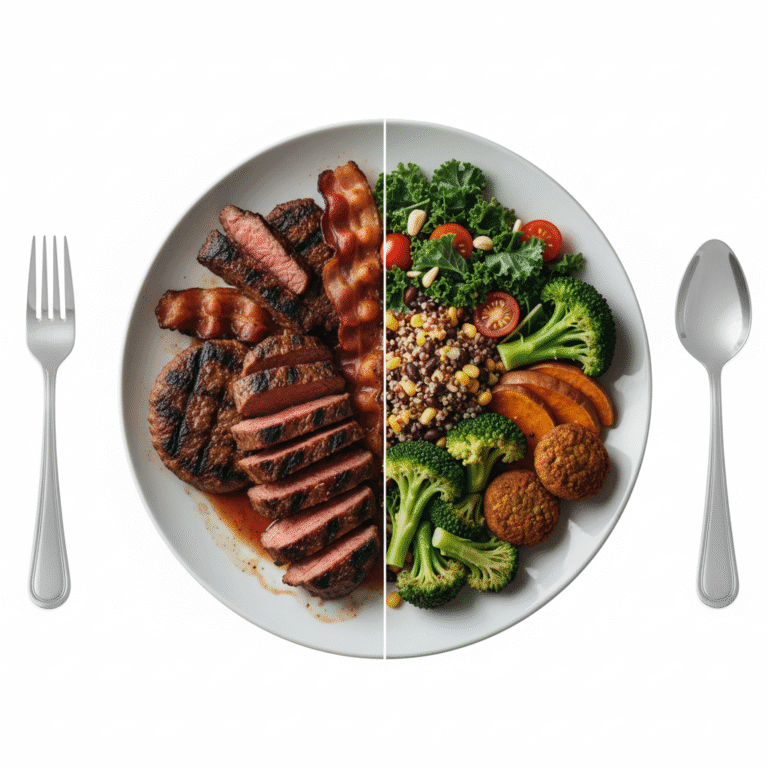
Adopting a plant-based diet is increasingly recognised by scientists and health organisations as one of the most effective ways to improve personal health and reduce the risk of chronic disease. Studies find that people who focus on plant-based foods are less likely to develop obesity, type 2 diabetes, heart disease, and some cancers. Eating plenty of whole grains, beans, fruits, vegetables, nuts, and seeds gives your body the nutrients, fiber, and antioxidants it needs to stay healthy over time.

Plant-based diets also help you avoid some of the health risks that come with eating animal products. Eating a lot of red or processed meat has been connected to heart disease, colon cancer, and other health problems. For some people, dairy and eggs can raise cholesterol and cause inflammation. By choosing more plant-based foods, you can cut down on saturated fats and other harmful substances, while getting more of the nutrients that help you feel your best.

Getting the right balance of nutrients is important for good health. Most vitamins and minerals are easy to get from a well-planned plant-based diet, but some—like vitamin B12, vitamin D, iodine, iron, and omega-3s—need special attention. You can find these in fortified foods, supplements, or certain plant foods like seaweed, flaxseeds, chia seeds, and algae-based omega-3 products. With a little planning, experts say plant-based diets can meet your needs at any age.

Animal agriculture affects more than just personal health—it also creates public health risks. Large factory farms can speed up the spread of antibiotic resistance, which the World Health Organization says is a major global health problem. These crowded farms also make it easier for diseases to jump from animals to people, which can lead to new pandemics.

Animal agriculture also damages the environment, which can harm our health. Factory farms lead to deforestation, water pollution, and air pollution, all of which hurt natural resources and can expose people to dangerous substances. In contrast, plant-based diets help keep our air and water cleaner and support a more sustainable way of producing food. By choosing a plant-based diet, you can improve your own health and help protect public health worldwide.

Researchers explore the possibility that people changing their diets from animal-based to plant-based can help eliminate or control diseases like cancer and diabetes.

Forks
Over Knives

Adopt a Plant-Based Lifestyle. Be Happy.

Your body reflects the choices you make.
Choose foods that heal, energise, and help you live with vitality and balance.
Unveiling the Numbers

The Cost of
Our Choices

From farm to table, the way we produce and consume animal products strains our bodies, our health, and our planet. Every choice we make within this system has hidden costs that quietly affect our long-term well-being.

1.6
billion tons

of grain are fed to livestock annually — enough to end global hunger multiple times over.

+400
types

of toxic gases and 300+ million tons of manure are generated by factory farms, poisoning our air and water.

Icon
Metabolism

People who follow a plant-based diet burn calories about 16% faster, on average, than meat-eaters during the first few hours after eating.
Icon
Zoonoses

About 75% of emerging human diseases come from animals, according to the CDC.

Balanced vegan

Vegan Eatwell Plate

Eating a balanced vegan diet is
important for good health

A well-planned vegan plate is rich in fruits and vegetables, whole grains, pulses, nuts, and seeds—providing protein, fibre, essential vitamins, minerals, and healthy fats. Many foods you already enjoy are naturally vegan, and with a few simple swaps, classic favorites and exciting new dishes can easily become part of a nutrient-rich, plant-based lifestyle.

However, being vegan alone does not guarantee good health. Diets relying heavily on processed foods such as pies, biscuits, or fried snacks can still be nutritionally poor. True balance comes from choosing whole, minimally processed plant foods, embracing variety, and nourishing your body with wholesome, colorful, and satisfying meals.

All the nutrients without the animal products

Many of us grow up believing that meat, milk, and other animal products are essential for strength and good health. These ideas are deeply rooted in culture and tradition. Yet modern nutrition science tells a more nuanced story. A well-planned vegan diet—built around whole grains, legumes, vegetables, fruits, nuts, and seeds—can fully meet our nutritional needs and align with established healthy eating guidelines.

Major health organisations support this position. The British Dietetic Association (BDA) and the Academy of Nutrition and Dietetics (AND) in the United States state that appropriately planned vegetarian and vegan diets are nutritionally adequate and suitable for all stages of life, including pregnancy and breastfeeding.

Similarly, the Dietitians of Canada affirm that a well-planned vegan diet can meet nutrient requirements at every age. The National Health Service (NHS) in the UK acknowledges that with good planning, a vegan diet can provide all the nutrients the body needs. The Heart and Stroke Foundation of Canada and the American Heart Association both emphasize the cardiovascular benefits of diets rich in plant foods.

In Australia, the National Health and Medical Research Council (NHMRC) recognizes that appropriately planned vegetarian diets are healthy and nutritionally adequate. The World Health Organization (WHO) also highlights the health advantages of diets rich in fruits, vegetables, whole grains, and legumes for reducing the risk of chronic diseases.

The common thread in all these expert positions is clear: balance and planning matter. When thoughtfully designed, a vegan diet is not restrictive—it is fully capable of supporting healthy growth, development, and long-term wellbeing across all stages of life.

➡️ https://www.nhs.uk/live-well/eat-well/how-to-eat-a-balanced-diet/the-vegan-diet/

➡️ https://www.bda.uk.com/resource/vegetarian-vegan-plant-based-diet.html

➡️ https://www.bhf.org.uk/informationsupport/heart-matters-magazine/nutrition/is-veganism-healthy

➡️ https://pubmed.ncbi.nlm.nih.gov/27886704/

➡️ https://pubmed.ncbi.nlm.nih.gov/19562864/

➡️ https://www.health.harvard.edu/nutrition/becoming-a-vegetarian

➡️ https://clf.jhsph.edu/projects/technical-and-scientific-resource-meatless-monday/meatless-monday-resources/meatless-monday-resourcesmeat-consumption-trends-and-health-implications

➡️ https://www.unlockfood.ca/en/Articles/Vegetarian-and-Vegan-Diets/What-You-Need-to-Know-About-Following-a-Vegan-Eati.aspx

➡️ https://pubmed.ncbi.nlm.nih.gov/29174030/

➡️ https://dietitiansaustralia.org.au/diet-and-nutrition-health-advice

➡️ https://www.eatforhealth.gov.au/

Addressing Concerns

Common Myths and Facts About Plant-Based Eating

When it comes to nutrition, it’s hard to know what to believe. For years, plant-based eating has been surrounded by myths — that it’s too restrictive, not nutritious enough, or simply hard to enjoy. In truth, a well-balanced plant-based diet is rich, satisfying, and fully capable of meeting your body’s needs. Understanding the facts helps you make informed choices and confidently bring more variety, color, and compassion to your plate.

Plant-Based for Health: A colorful bowl of whole grains, fruits, and vegetables.
Myth: You Need Dairy for Strong Bones

Fact: Cow’s milk is not the only or best source of calcium available. Plant-based sources like leafy greens (kale, bok choy, broccoli), fortified plant milks, tofu, almonds, and sesame seeds provide plenty of calcium. Combined with regular exercise and adequate vitamin D, these foods can support healthy bones at every age—proving that strong bones don’t require animal products.

Myth: You Can’t Get Enough Protein Eating Only Plants

Fact: Getting enough protein on a plant-based diet is easier than many think. As long as you eat enough calories and maintain a varied, balanced diet, protein deficiency is extremely rare. Many plant-based foods—such as beans, lentils, tofu, soy, and pea-based products—are rich in protein and can easily meet your body’s needs when combined thoughtfully. While you may need slightly larger portions compared to animal products, a well-planned plant-based diet provides all the protein your body requires to stay strong and healthy.

Myth: Plant-Based Eaters are Anemic (Iron Deficient)

Fact: A well-balanced plant-based diet can provide all the iron your body needs. Foods like lentils, beans, tofu, spinach, quinoa, and seeds are rich in iron. While plant-based (non-heme) iron is absorbed differently than iron from meat, eating it alongside vitamin C–rich foods—such as citrus, peppers, or broccoli—greatly improves absorption. Studies show that vegetarians and vegans generally have similar or only slightly lower iron levels compared to meat-eaters, and deficiency is uncommon when diets are varied and nutritious.

Myth: There aren’t many plant-based options

Fact: Plant-based eating offers an abundance of delicious and diverse options. From fruits, vegetables, legumes, grains, nuts, and seeds to tofu, tempeh, seitan, and plant-based dairy or meat alternatives, there’s no shortage of choices. Supermarkets and restaurants increasingly provide a wide variety of plant-based products, making it easier than ever to enjoy flavorful, satisfying meals without relying on animal products. Also, many classic comfort foods are plant-based or vegetarian, like falafel, hummus, bean burritos, curries, minestrone soup, etc. Plant-based eating isn’t limiting—it’s limitless!

Myth: Plant-Based Diets are Nutrient Deficient

Fact: A well-planned plant-based diet can provide all the nutrients your body needs at every stage of life. With a variety of fruits, vegetables, legumes, whole grains, nuts, seeds, and fortified foods, you can meet your requirements for protein, iron, calcium, vitamin B12, omega-3s, and more. Nutrition research consistently shows that plant-based diets can support healthy growth, strong bones, heart health, and overall wellness when balanced and diverse.

Myth: Eating Soy Increases Risk of Cancer

Fact: Despite common myths, soy does not increase the risk of breast cancer and may even help reduce it. Soy has been a staple in East-Asian diets for centuries and is a rich source of plant-based protein. According to the American Cancer Society, consuming traditional soy foods—like tofu, tempeh, edamame, miso, and soy milk—is safe for both women and men. Evidence suggests that these foods may lower breast cancer risk, especially when they replace less healthy animal products, and can also support heart health and help reduce cholesterol.

➡️ https://www.health.harvard.edu/nutrition/calcium-rich-foods-how-to-boost-your-intake-of-this-important-mineral

➡️ https://www.nhs.uk/live-well/eat-well/how-to-eat-a-balanced-diet/the-vegan-diet/

➡️ https://www.healthline.com/nutrition/vegan-calcium-sources

➡️ https://www.chhs.colostate.edu/krnc/monthly-blog/plant-based-protein-a-simple-guide-to-getting-enough/

➡️ https://pubmed.ncbi.nlm.nih.gov/39117040/

➡️ https://pubmed.ncbi.nlm.nih.gov/38913373/

➡️ https://www.mdpi.com/2072-6643/14/1/29

➡️ https://pubmed.ncbi.nlm.nih.gov/30062867/

➡️ https://www.precedenceresearch.com/plant-based-food-market

➡️ https://www.mdpi.com/2072-6643/14/1/29

➡️ https://www.mdpi.com/2072-6643/13/11/4144

➡️ https://www.cancer.org/cancer/latest-news/soy-and-cancer-risk-our-experts-advice.html

➡️ https://pmc.ncbi.nlm.nih.gov/articles/PMC11013307/

➡️ https://www.aicr.org/resources/blog/soy-and-cancer-myths-and-misconceptions/

Scientific Benefits

Health Benefits of Plant-Based Diets

Curious about a plant-based diet? Whether you’re just starting or already living it, a few simple changes in what you eat can help you feel healthier, more energised, and ready to enjoy life.

A plant-based diet
contains all the nutrients that your body needs.

According to the World Health Organization (WHO), the Food and Agriculture Organization (FAO), the European Food Safety Authority (EFSA), and leading professional bodies such as the British Dietetic Association (BDA) and the American Academy of Nutrition and Dietetics (AND), a well-planned plant-based diet is suitable for individuals of all ages and life stages.

➡️ https://iris.who.int/server/api/core/bitstreams/f0fadbba-3ba7-4689-be95-63574cdff400/content

➡️ https://openknowledge.fao.org/server/api/core/bitstreams/03bf9cde-6189-4d84-8371-eb939311283f/content

➡️ https://www.efsa.europa.eu/en/data-report/food-consumption-data

➡️ https://www.bda.uk.com/resource/vegetarian-vegan-plant-based-diet.html

➡️ https://www.eatrightpro.org/news-center/research-briefs/new-position-paper-on-vegetarian-and-vegan-diets

➡️ https://pmc.ncbi.nlm.nih.gov/articles/PMC8623061/

➡️ https://pmc.ncbi.nlm.nih.gov/articles/PMC7613518/

➡️ https://pubmed.ncbi.nlm.nih.gov/39309320/

➡️ https://pmc.ncbi.nlm.nih.gov/articles/PMC7779846/

➡️ https://pmc.ncbi.nlm.nih.gov/articles/PMC7050782/

➡️ https://onlinelibrary.wiley.com/doi/full/10.1038/oby.2007.270

➡️ https://www.sciencedirect.com/science/article/abs/pii/S0899900714004237

➡️ https://pubmed.ncbi.nlm.nih.gov/26164391/

➡️ https://www.sciencedirect.com/science/article/pii/S2161831324001285

➡️ https://www.tandfonline.com/doi/10.1080/10408398.2022.2075311

➡️ https://www.tandfonline.com/doi/10.1080/10408398.2022.2075311

➡️ https://www.sciencedirect.com/science/article/pii/S2161831324001285

➡️ https://pmc.ncbi.nlm.nih.gov/articles/PMC6946133/

➡️ https://progressreport.cancer.gov/prevention/diet_alcohol/fruit_vegetable

➡️ https://pubmed.ncbi.nlm.nih.gov/26853923/

➡️ https://www.who.int/health-topics/cancer#tab=tab_1

➡️ https://www.tandfonline.com/doi/10.1080/10408398.2022.2075311

➡️ https://www.ahajournals.org/doi/10.1161/JAHA.119.012865

➡️ https://pmc.ncbi.nlm.nih.gov/articles/PMC4073139/

➡️ https://pmc.ncbi.nlm.nih.gov/articles/PMC6566984/

➡️ https://pmc.ncbi.nlm.nih.gov/articles/PMC4359818/

➡️ https://pmc.ncbi.nlm.nih.gov/articles/PMC6746966/

THE ISSUE

Why animal
products harm

Why Meat Harms

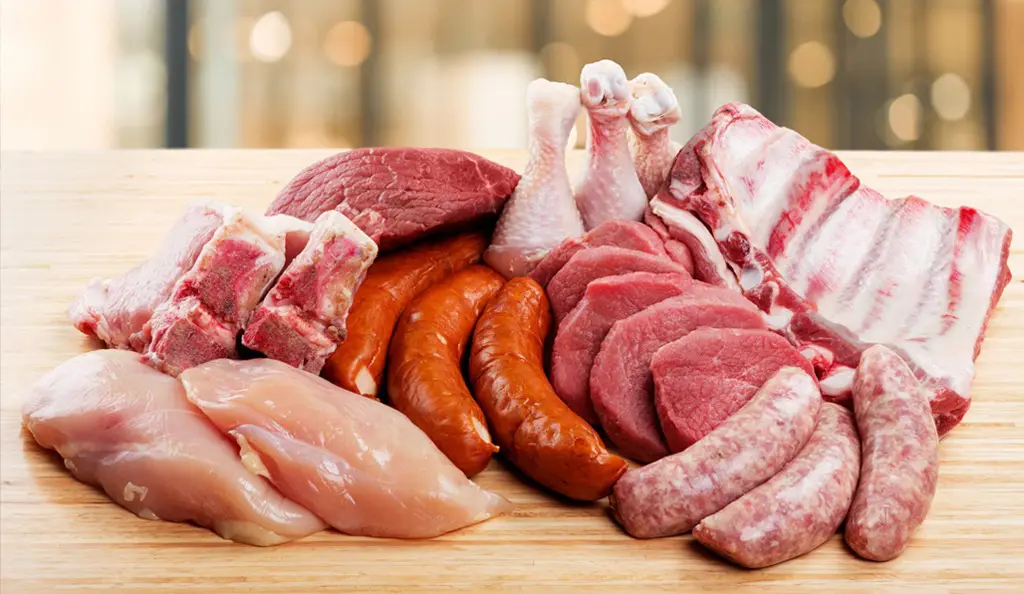
Meat is high in harmful saturated fats, animal protein, and haem iron, and is not essential for a healthy diet. Even small amounts can raise cholesterol, blood pressure, and the risk of heart disease, obesity, type 2 diabetes, and various cancers. Processed meats are classified as carcinogenic, while red meat likely increases cancer risk. Meat is also a leading cause of food poisoning, and antibiotic use in livestock contributes to dangerous superbugs.

Why Dairy Harms

Cow’s milk is meant for calves, not humans. It raises IGF-1 levels, which are linked to cancer risk, acne, and rapid growth. High-fat dairy can increase cholesterol, blood pressure, and heart disease risk. Many people are lactose intolerant, yet plant foods provide plenty of calcium. Additionally, milk can contain somatic cells from cow infections, highlighting its potential health risks.
Why Fish Harms

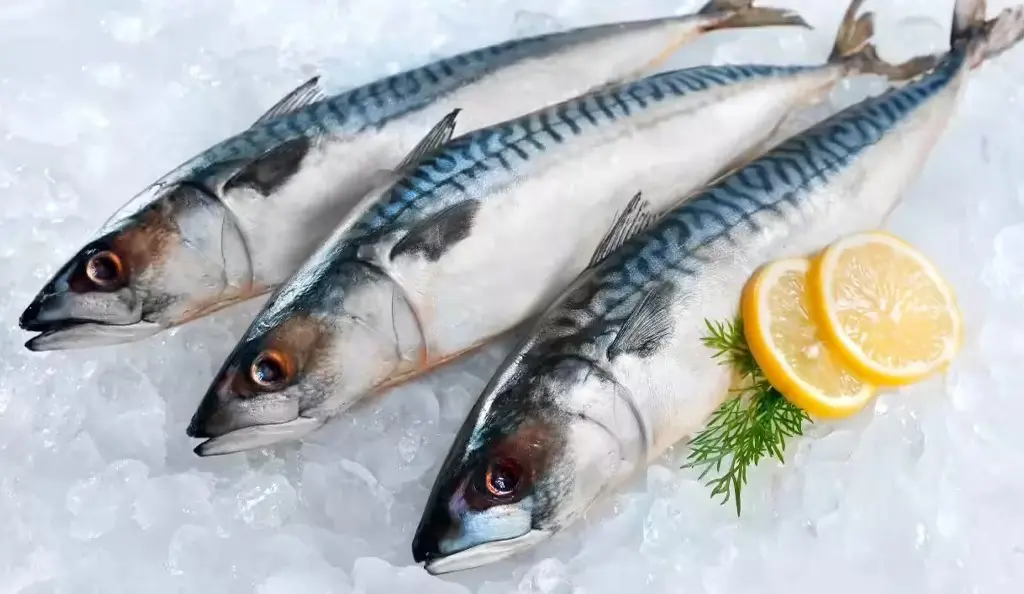
All oceans are polluted with toxic substances like mercury, PCBs, and dioxins, which accumulate in fish and can outweigh any omega-3 benefits. Government guidelines warn against overconsumption. Cooking fish can create more toxins, and farmed fish often contain even higher pollutant levels. Fish can cause food poisoning, and antibiotics in farmed fish promote superbugs.

Why Eggs Harm

Eating eggs may raise the risk of heart disease by up to 75%, and daily consumption can increase cancer risk by up to 50%, including ovarian and prostate cancers. Even one egg a day may double the risk of type 2 diabetes. Eggs can carry Salmonella, and imported egg products may pose an even higher risk. Poultry farms harm the environment, cause animal suffering, and contribute to the spread of bird flu, a serious pandemic threat.

Being Vegan

Discovering a Kinder, Healthier, and More Sustainable Lifestyle

Deciding​‍​‌‍​‍‌​‍​‌‍​‍‌ to be vegan is not only about what you eat — it is a thoughtful decision to coexist peacefully with the earth, other living beings, and yourself. We’ll explore why millions of people around the world are choosing to go vegan, and how you can start your own vegan journey with confidence and ease.

Being Vegan: Two cute piglets sleeping together representing animal welfare and compassion

Why Go Vegan?

From protecting animals and reducing environmental impact to improving personal health, the reasons to go vegan are deeply meaningful. We’ll look at the ethical, ecological, and wellness benefits that make veganism one of the most powerful lifestyle movements today.

Being Vegan: How to be Vegan and Start Your Vegan Transition

How to Go Vegan?

Transitioning to a vegan lifestyle doesn’t have to be overwhelming. Here, you’ll find simple steps, practical tips, and useful resources to help you make the shift — from meal planning and shopping guides to understanding plant-based nutrition and staying motivated.
Global health threats

Industrial Livestock Production and Global Health Risks

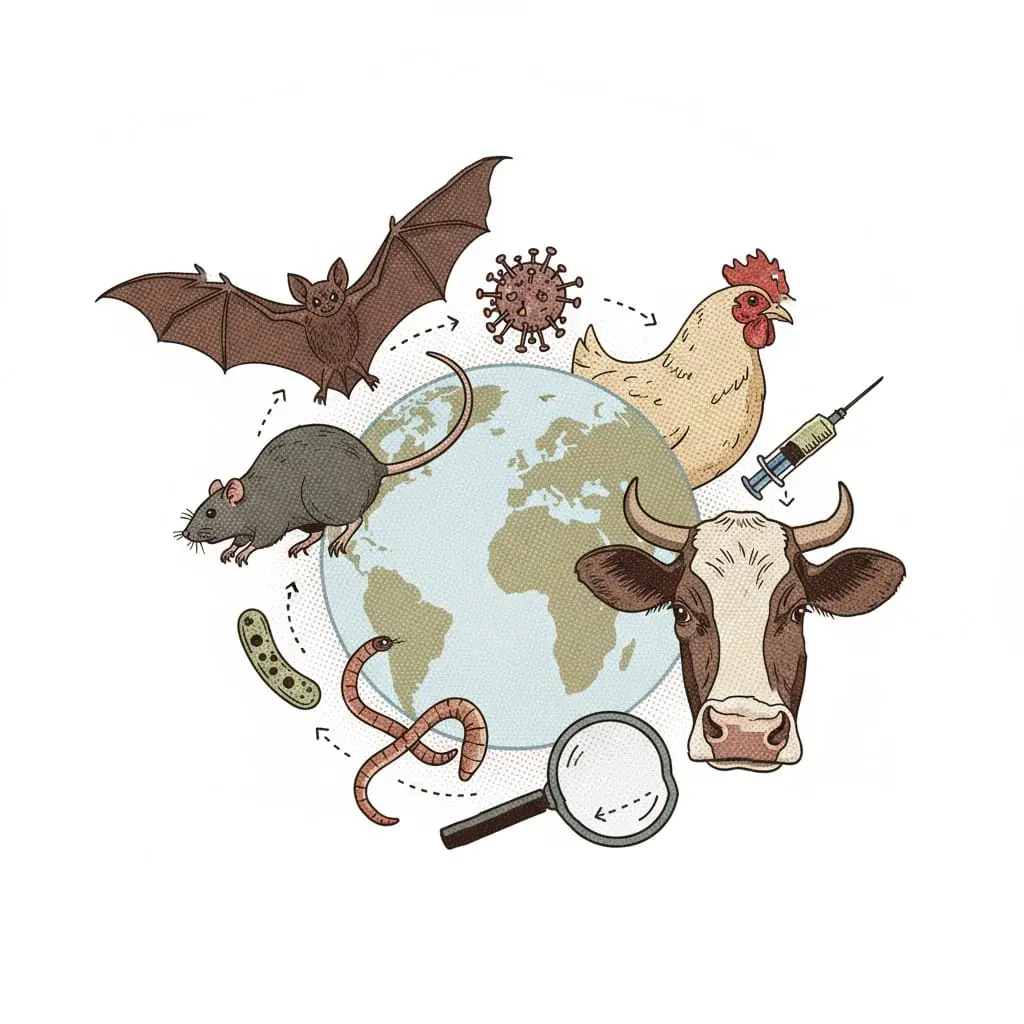
The rise of diseases like Nipah, SARS, COVID-19, and Avian Influenza has shown just how closely our health is tied to the way we treat animals and the environment. As demand for meat and dairy grows, animals are raised in crowded, unnatural conditions where diseases can easily spread from them to humans. Combined with globalisation, population growth, and increased travel and trade, these factors significantly heighten the risk of future zoonotic outbreaks, making the link between animal agriculture and global public health an urgent issue.

Zoonotic diseases

Zoonotic diseases—those that pass from animals to humans—are emerging more frequently than ever. Outbreaks like SARS, MERS, Ebola, HIV, and COVID-19 all began with animals. As we continue to destroy wildlife habitats and expand factory farming, the risk of new pandemics grows. The COVID-19 pandemic was a warning signal of what could happen if we did not change our way of living.

The next outbreak could arise from a deadly bird flu or antibiotic-resistant superbug. Our treatment of animals and the environment is directly linked to these threats. Ending factory farming and shifting toward a plant-based food system isn’t just compassionate—it’s essential for preventing future pandemics and protecting global health.

WHO reports indicate that 75% of emerging infectious diseases in humans are zoonotic.

Zoonotic Threat
0%
Health benefits of plant-based diets in reducing the risk of pandemics and animal-borne diseases.
Plant-Based for Health: Preventing zoonotic diseases by transforming global food systems.

Antibiotic resistance

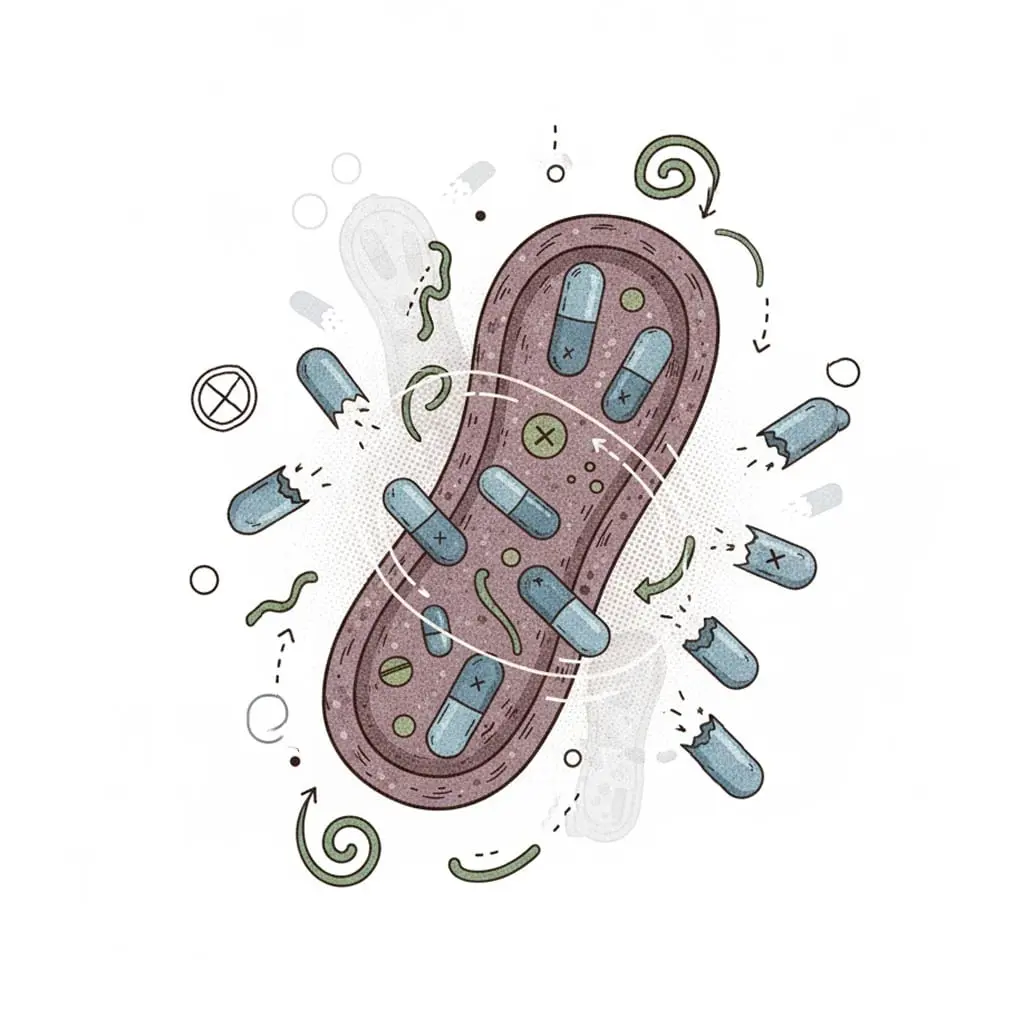
The overuse of antibiotics in humans and farmed animals has fueled the rise of “superbugs,” making common infections potentially deadly. AMR already contributes to millions of deaths each year and could rise dramatically by 2050 if unchecked.

Factory farms, where antibiotics are routinely used to promote growth and prevent disease, create ideal conditions for these resistant bacteria to thrive. Reducing antibiotic use and shifting toward plant-based diets are essential steps to combat AMR and protect the health of people, animals, and the planet.

80% of antibiotics globally are used in factory farmed animals, fueling antibiotic resistance.

Global Antibiotic Use
0%

➡️ https://openknowledge.fao.org/items/1aa0a847-2307-4da2-800c-184359cc033d

➡️ https://pmc.ncbi.nlm.nih.gov/articles/PMC7087879/

➡️ https://pmc.ncbi.nlm.nih.gov/articles/PMC10458268/

➡️ https://www.mdpi.com/2071-1050/13/16/9251

➡️ https://www.unep.org/news-and-stories/statements/preventing-next-pandemic-zoonotic-diseases-and-how-break-chain

➡️ https://www.theguardian.com/environment/article/2024/may/09/biodiversity-loss-is-biggest-driver-of-infectious-disease-outbreaks-says-study

➡️ https://www.who.int/news-room/fact-sheets/detail/one-health

➡️ https://www.who.int/news/item/07-11-2017-stop-using-antibiotics-in-healthy-animals-to-prevent-the-spread-of-antibiotic-resistance

➡️ https://clf.jhsph.edu/viewpoints/antibiotic-resistance-how-industrial-agriculture-lies-statistics

➡️ https://www.saveourantibiotics.org/news/articles/guest-blog-factory-farming-zoonotic-disease-and-the-risk-of-pandemics/

Icon

You Can Improve Your Health with a Plant-Based Diet

Would you take control of your health before it’s too late? Every year, millions of people face preventable illnesses linked to poor diet, heart disease, diabetes, and inflammation. The power to change is in your hands. Plant-based eating isn’t just a trend—it’s a proven way to strengthen your heart, boost your immunity, and feel more energised every day. The question is: will you make the choice for a healthier, stronger you?
How to Go Vegan: Promoting animal welfare through compassion
WHAT CAN I DO TO HELP?

A kinder world is possible

We need your help to reframe how animals are perceived by society. By sharing our free resources within your local community, you not only raise awareness but also inspire meaningful dialogue about respect and compassion for animals. Collectively, these actions contribute to a more powerful movement for animal liberation—one that guarantees animals are appreciated, safeguarded, and granted the dignity they rightfully deserve.