

Protecting Your Heart With a Plant-Based Diet
The Impact of Plant-Based Foods on Heart Disease and Stroke Prevention
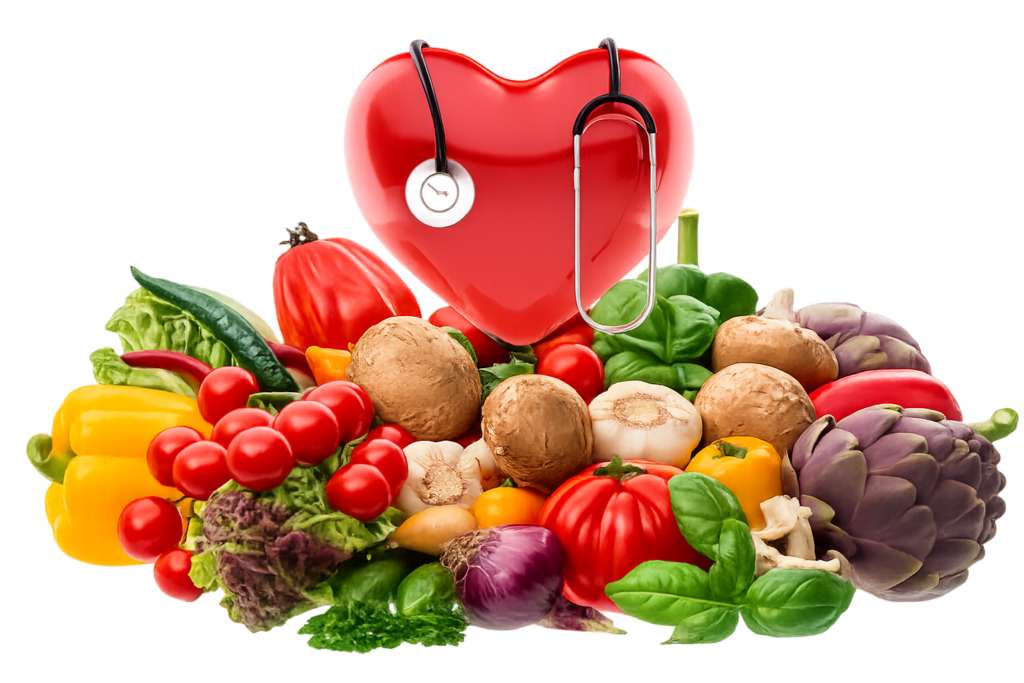
Heart disease is one of the leading causes of death worldwide and remains a major public health challenge. In the UK, it accounts for approximately one quarter of all deaths—equivalent to around 480 deaths every day, or one death every three minutes. Current estimates suggest that more than half of the population will develop a heart or circulatory condition during their lifetime. Fortunately, many cardiovascular diseases can be prevented or effectively managed through healthy lifestyle choices, with nutrition playing a central role.
Leading health organisations recommend a plant-based eating pattern rich in whole grains, fruits, vegetables, legumes, nuts, and seeds, while limiting saturated fat, salt, added sugars, and highly processed foods. Research suggests that a whole-food plant-based diet can help lower the risk of heart disease, improve key cardiovascular risk factors, and support long-term heart health.
What Is Heart Disease?
Heart disease, often referred to as cardiovascular disease (CVD), is a group of conditions affecting the heart and blood vessels. A closely related condition is cerebrovascular disease, which affects the blood vessels supplying the brain and significantly increases the risk of stroke. When blood flow to the heart muscle is reduced due to narrowed coronary arteries, the condition is known as coronary heart disease.
Most forms of heart disease develop gradually through a process called atherosclerosis, in which fatty deposits, cholesterol, and other substances accumulate inside artery walls, forming plaques. Over time, these plaques can narrow or block the arteries, restricting blood flow and increasing the risk of heart attack or stroke. Early warning signs may include chest pain, shortness of breath, fatigue, irregular heartbeat, swelling in the legs, or high blood pressure, although many people experience no symptoms until the disease has progressed.
Vegan
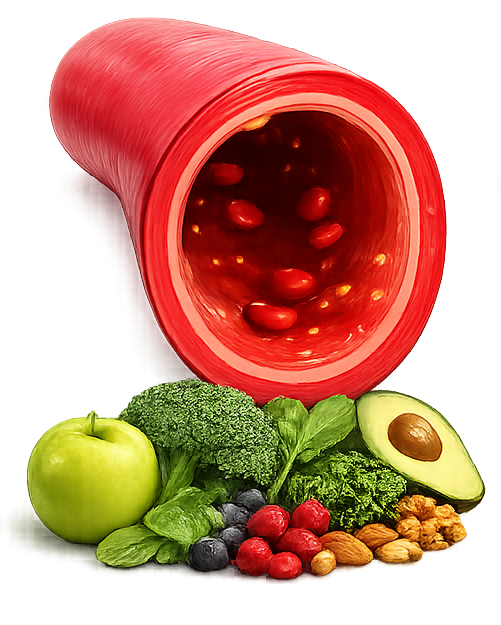
Vegetarian
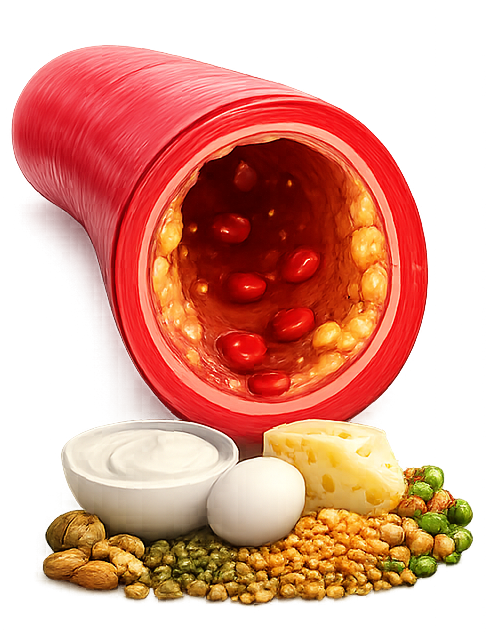
Meat Eater
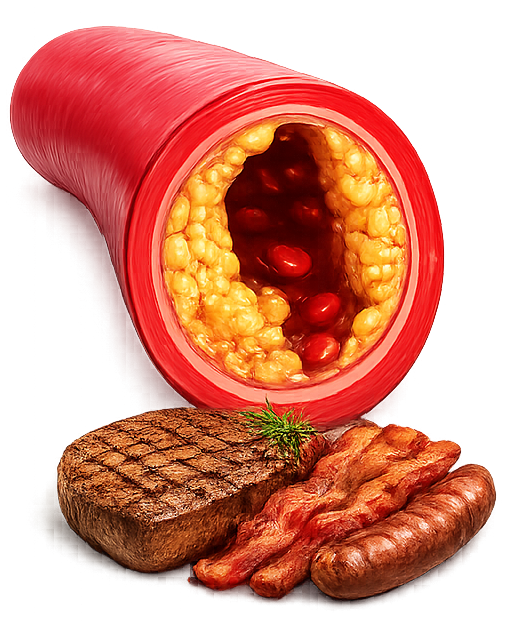
What Increases
Your Risk of Heart Disease?
While some risk factors for heart disease, such as age, genetics, and family history, cannot be changed, the majority are strongly influenced by everyday lifestyle choices. Research consistently shows that dietary habits, physical activity levels, smoking, and alcohol consumption play a major role in determining long-term cardiovascular health. In fact, many of the conditions that increase the risk of heart disease—including high blood pressure, high cholesterol, obesity, and type 2 diabetes—are closely linked to lifestyle.
A healthy, plant-based diet centred around fruits, vegetables, whole grains, legumes, nuts, and seeds can help improve many of these risk factors, while diets high in meat, dairy products, and heavily processed foods are associated with a greater cardiovascular risk. Although you cannot change your family history, adopting healthier eating and lifestyle habits can significantly reduce your chances of developing heart disease and stroke.
The main risk factors for heart disease include:
Family History
Having a close relative with heart disease may increase your risk. While genetics can play a role, lifestyle factors such as diet, physical activity, and smoking status often have a greater impact on long-term heart health.
Smoking
Smoking damages blood vessels, raises blood pressure, reduces oxygen supply to the heart, and significantly increases the risk of heart attack and stroke.
Physical Inactivity
A lack of regular exercise can contribute to weight gain, high blood pressure, elevated cholesterol levels, and poor cardiovascular health. Regular physical activity helps keep the heart and blood vessels functioning efficiently.
Unhealthy Diet
Diets high in meat, processed meat, eggs, dairy products, saturated fat, salt, and ultra-processed foods are associated with an increased risk of cardiovascular disease. In contrast, diets rich in fruits, vegetables, whole grains, legumes, nuts, and seeds support heart health.
High Blood Pressure
High blood pressure forces the heart to work harder and can damage artery walls over time, increasing the risk of heart disease, heart failure, and stroke.
High Cholesterol
Elevated LDL ("bad") cholesterol can contribute to the formation of plaque inside arteries, restricting blood flow and increasing the likelihood of heart attack and stroke.
Overweight and Obesity
Excess body weight is linked to several cardiovascular risk factors, including high blood pressure, high cholesterol, inflammation, and type 2 diabetes.
Alcohol Consumption
Regular or excessive alcohol intake can raise blood pressure, contribute to weight gain, and increase the risk of cardiovascular complications.
Diabetes
People with diabetes have a higher risk of developing heart disease because elevated blood sugar levels can damage blood vessels and the nerves that control the heart.
New Review Highlights Benefits of Plant-Based Diets for Heart Health
A new study published in Progress in Cardiovascular Diseases found that vegetarian, especially vegan, diets are linked to better heart health. The review found that a plant-based diet:
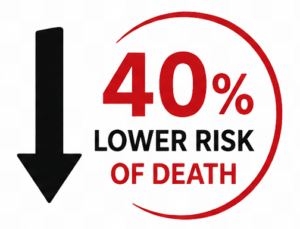
40% Lower Risk of Death
A plant-based diet is linked to a 40% lower risk of death from cardiovascular disease, highlighting its strong protective effect on cardiovascular health.
Lower Cholesterol and LDL Levels
A plant-based diet is associated with significantly improved lipid profiles, showing 29 mg/dL lower total cholesterol and 23 mg/dL lower LDL-C levels compared with non-vegetarian diets, highlighting its beneficial impact on cardiovascular risk factors.
Heart Attack Risk Reduction
A healthy diet and lifestyle are associated with an 81–94% reduction in heart attack risk, while medications alone typically reduce the risk by only 20–30%.

Reversing Heart Disease Naturally
A healthy dietary pattern is associated with a 40% reduction in coronary heart disease risk, can fully or partially open blocked arteries in up to 91% of patients, and is linked to a 34% lower risk of hypertension, demonstrating strong protective effects on cardiovascular health.
Cholesterol and Heart Health
Cholesterol is a waxy, fat-like substance that your body needs to function properly. It is produced by the liver and plays an important role in building cell membranes, making hormones, producing vitamin D, and helping with digestion through bile acids. In other words, cholesterol itself is not harmful—in fact, it’s essential. The issue arises when there is too much cholesterol circulating in the bloodstream. The two most important types when it comes to heart health are LDL and HDL cholesterol.
- LDL (low-density lipoprotein), often called “bad” cholesterol, carries cholesterol to body tissues and can lead to plaque buildup in artery walls, increasing the risk of heart attacks and strokes.
- HDL (high-density lipoprotein), known as “good” cholesterol, helps remove excess cholesterol from the blood and returns it to the liver for elimination.
High levels of total and LDL cholesterol are major risk factors for cardiovascular disease. In contrast, higher HDL levels are linked to better heart health. All animal-based foods—such as meat, fish, eggs, and dairy—contain cholesterol, because animals naturally produce it. Plant foods contain no cholesterol, making a vegan diet naturally cholesterol-free.
People respond differently to cholesterol in food. In general, cholesterol absorption can range from about 20% to as much as 80%, depending largely on genetics. However, even people who absorb less cholesterol are not fully protected if their diet is high in saturated fat. Saturated fat interferes with the liver’s ability to remove LDL cholesterol from the blood, causing levels to rise. Many animal foods—such as red meat, processed meats, and full-fat dairy—contain both cholesterol and saturated fat.
Plant-based diets centred on whole grains, fruits, vegetables, legumes, nuts, seeds, and unsaturated fats have consistently been shown to lower LDL cholesterol. Vegan diets, in particular, are effective in preventing and reducing high cholesterol and are strongly associated with improved heart health.
High Blood Pressure and Heart Health
High blood pressure is closely connected to high cholesterol levels. When cholesterol builds up inside the arteries, it narrows and stiffens them, making it harder for blood to flow. As a result, the heart has to work harder to pump blood, which raises blood pressure.
Over time, high blood pressure puts extra strain on the heart and blood vessels and can damage vital organs such as the brain, kidneys, and eyes. Many people are unaware that they have high cholesterol, so an elevated blood pressure reading is often the first sign that something is wrong.
Common risk factors for high blood pressure include excess body weight, high salt intake, unhealthy eating habits, smoking, excessive alcohol or caffeine consumption, increasing age, genetics, and certain ethnic backgrounds.
Pharmacological treatment alone is frequently insufficient to achieve optimal control of both blood pressure and cholesterol levels. Evidence strongly supports the role of lifestyle modification—particularly dietary intervention—as a cornerstone of cardiovascular risk reduction.
Clinical studies demonstrate that plant-based diets rich in whole grains, fruits, vegetables, legumes, nuts, seeds, and unsaturated fats are effective in lowering blood pressure and reducing the incidence of hypertension. Conversely, diets high in saturated fat, sodium, processed foods, and animal products are associated with increased blood pressure. Population studies consistently show that individuals following vegan diets have lower average blood pressure and a substantially reduced risk of hypertension compared with meat-eaters.
Being Overweight or Obese and Heart Health
Excess body weight and obesity are major modifiable risk factors for cardiovascular disease. They are strongly influenced by dietary patterns and levels of physical activity. Diets high in red and processed meat, high-fat dairy products, and ultra-processed foods contribute to weight gain, dyslipidemia, insulin resistance, and systemic inflammation, all of which increase cardiovascular risk.
Physical inactivity further exacerbates these effects by reducing energy expenditure and impairing metabolic and vascular function. In contrast, healthy plant-based diets—rich in whole grains, fruits, vegetables, legumes, nuts, and seeds—are associated with lower body weight, improved lipid profiles, better blood pressure control, and reduced inflammation. As a result, such dietary patterns significantly lower the risk of obesity-related cardiovascular disease and support overall heart health.
Why Is a
Vegan Diet the Best?

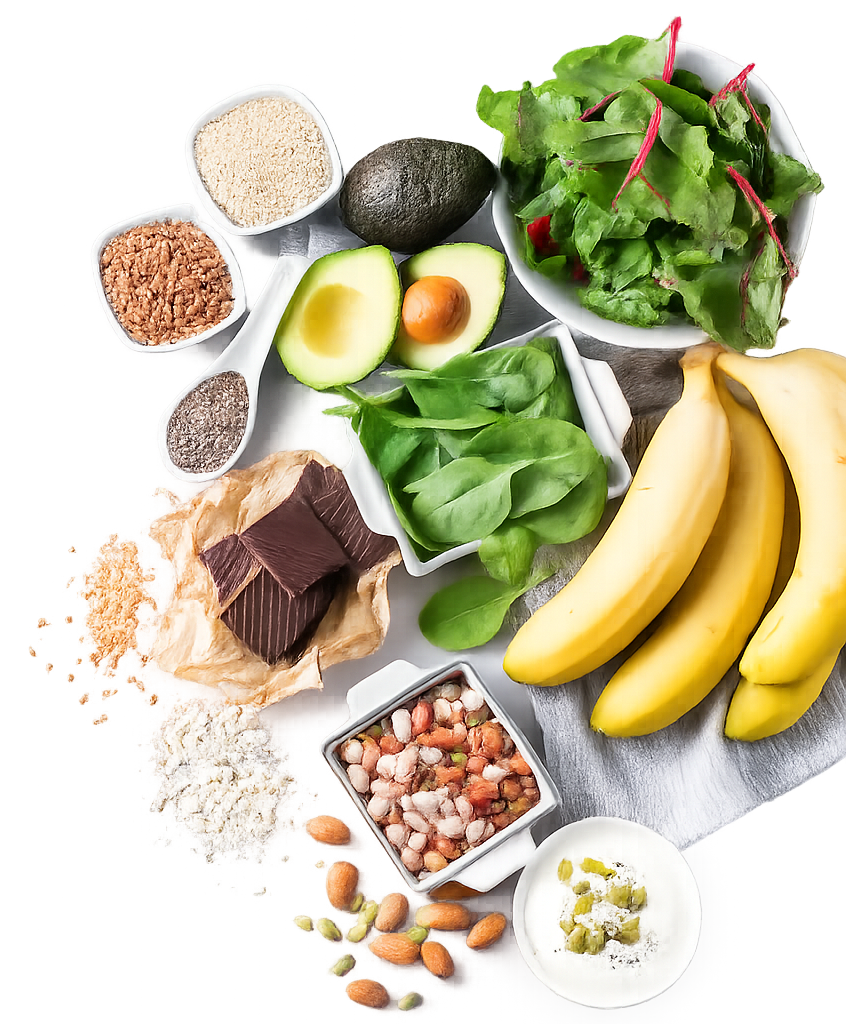
A whole-food vegan diet promotes cardiovascular health and longevity by being naturally low in saturated fat and completely free of cholesterol, while providing high levels of fibre, complex carbohydrates, unsaturated fats, and high-quality plant protein.

It is also rich in antioxidants and other bioactive compounds that help protect blood vessels and support a healthy gut microbiome, both of which play an important role in maintaining heart health.

SUPPORTS GUT HEALTH

PROTECTS YOUR BLOOD VESSELS

RICH IN FIBRE & NUTRIENTS

NATURALLY HEART-HEALTHY
How a Fibre-Rich Diet Promotes Heart Health
A plant-based diet offers significant benefits for heart health, largely due to its high fibre content. Dietary fibre, found in whole grains, legumes, fruits, and vegetables, has been strongly linked to a reduced risk of cardiovascular disease. Research suggests that fibre-rich diets may lower the risk of heart attack and stroke by up to 30%. This protective effect has been observed in both long-term observational studies and clinical research, highlighting the importance of plant foods in maintaining a healthy cardiovascular system.
One of the key ways fibre supports heart health is by reducing inflammation in the body. Studies show that even a modest increase of 5 grams of daily fibre intake can significantly lower levels of inflammatory markers such as C-reactive protein (CRP), which is closely associated with heart disease risk. A major contributing factor is the gut microbiome, where fermentable fibres are broken down by beneficial bacteria into short-chain fatty acids. These compounds enter the bloodstream and help regulate blood pressure, blood sugar, cholesterol levels, and even reduce harmful blood clot formation.
Different types of fibre also provide unique benefits. Soluble fibre, found in foods like oats, barley, beans, and fruits, helps lower cholesterol and stabilise blood sugar levels. Insoluble fibre, present in foods such as whole wheat bran, nuts, cauliflower, and berries, supports digestive health and increases satiety, which can aid in weight management. Together, these fibres work synergistically in a plant-based diet to improve overall health and significantly enhance cardiovascular protection.
Biological Mechanisms Behind
the Cardiovascular Benefits of Plant-Based Diets
Research suggests that plant-based diets support heart health through multiple biological pathways that influence key cardiovascular risk factors.

Healthier Cholesterol Levels
One of the key cardiovascular benefits of plant-based diets is their ability to improve blood lipid profiles. Naturally low in saturated fat and free of dietary cholesterol, these diets are also rich in soluble fibre and plant sterols, which help lower LDL (“bad”) cholesterol levels. Reduced LDL concentrations can slow the progression of atherosclerosis and lower the risk of coronary heart disease.
Lower Inflammation and Oxidative Stress
Chronic inflammation plays a key role in the development of cardiovascular disease. Plant foods are rich in antioxidants and bioactive compounds such as polyphenols, flavonoids, and carotenoids, which help reduce inflammation, combat oxidative stress, and support healthy blood vessel function.
Better Blood Pressure Control
Plant-based dietary patterns are typically abundant in potassium, magnesium, and dietary fibre while containing relatively low levels of sodium. This favourable nutrient composition supports healthy blood vessel function, improves vascular elasticity, and helps regulate blood pressure.
Enhanced Metabolic Function
Research has linked these diets to improved insulin sensitivity, healthier body weight, and a lower prevalence of type 2 diabetes. Because obesity and diabetes are among the most significant risk factors for cardiovascular disease, improvements in metabolic function provide an additional layer of protection for long-term heart health.
The Bottom Line
The evidence is clear: a well-planned whole-food vegan diet can play a powerful role in protecting cardiovascular health. In contrast, dietary patterns high in meat, dairy products, eggs, processed foods, and foods rich in saturated fat, salt, and added sugars are associated with a greater risk of heart disease.
Importantly, the health benefits of a plant-based diet depend largely on the quality of the foods consumed. Diets rich in whole, minimally processed plant foods offer the greatest protective effects, while diets high in refined and ultra-processed plant foods may reduce these benefits.
With cardiovascular disease continuing to be one of the leading causes of death worldwide, adopting a nutritious whole-food plant-based diet represents a practical, evidence-based, and cost-effective approach to improving both individual and public health.