
Plant-Based
for the Planet
Solving the Environmental Impact of Food
The future of our planet depends on the choices we make today. Industrial animal agriculture is a leading cause of deforestation, water pollution, and greenhouse gas emissions. These problems threaten our ecosystems, making it urgent to adopt a Plant-Based for the Planet approach to find more Earth-friendly alternatives.
Choosing a plant-based lifestyle is a strong way to help the planet. When we eat more plant-based foods, we use less land and water, and we create fewer emissions. Plant-based farming is more efficient than raising animals, so we can feed more people with fewer resources. This helps the environment and supports fair access to food for everyone.
Living plant-based helps protect biodiversity. When fewer animals are farmed, forests, oceans, and grasslands have a chance to recover. By prioritising Plant-Based for the Planet, we give more space to wildlife and help restore natural habitats. It is a way to live alongside nature, not against it.
Plant-based choices are also about compassion and doing what’s right. They show respect for animals, the planet, and future generations. Every meal is a chance to make a positive difference and move toward a fairer, more sustainable world.
Plant-based living is easier than ever. There are plenty of tasty fruits, vegetables, grains, and new plant-based foods to try. Eating this way is not just good for the planet—it can also lead to better health, exciting meals, and a closer bond with nature.
Every choice counts. When we choose plant-based living, we help create cleaner air, healthier soil, and stronger ecosystems. This movement is about having more—more health, more kindness, and more hope for what’s ahead.
The path is clear: a greener, healthier, and more compassionate world is within reach. By choosing plant-based, we choose the Earth.
Cowspiracy
The Sustainability Secret
The film that environmental organisations don't want you to see!
Adopt a Plant-Based Lifestyle. Be Happy.
Everything in nature is connected, and what we eat affects the world around us—especially our environment. You can make a difference three times a day just by choosing meals that are kinder to the planet.
The Cost of
Our Choices
Animal agriculture generates massive amounts of waste and greenhouse gases, contaminating our soil, air, and water. This significant environmental impact of food production is driving climate change, land degradation, and the collapse of ecosystems.
15,000
litres
of water are required to produce just one kilogram of beef — a stark example of how animal agriculture consumes one-third of the world’s freshwater.
+400
types
of toxic gases and 300+ million tons of manure are generated by factory farms, poisoning our air and water.
75%
of global agricultural land could be freed if the world adopted plant-based diets — unlocking an area the size of the United States, China, and the European Union combined.
60%
of global biodiversity loss is linked to food production — with animal agriculture being the leading driver.
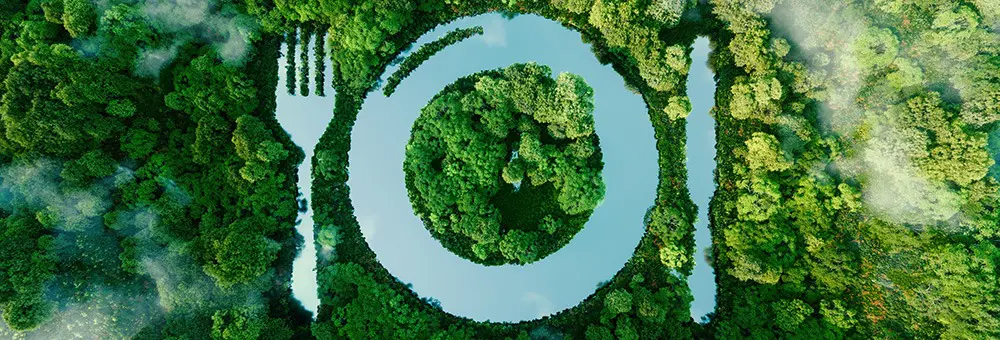
Go vegan for the environment
How your diet could change the world
Since the 1960s, the global population has doubled—but world meat production has quadrupled. In some regions, livestock farming has skyrocketed: pig production in 2013 was 4.5 times higher than in 1961, and chicken production has surged nearly 13-fold.
These staggering figures are not slowing down. The Food and Agriculture Organisation of the United Nations (FAO) projects that by 2050, global meat production could nearly double again, driven by rising demand for meat, eggs, and dairy in Western diets—and the rest of the world is following suit.
The consequences for our planet are profound. Expanding livestock farming accelerates global warming, deforestation, water scarcity, soil degradation, pollution, and threatens countless species with extinction. More animals require more feed crops, creating a vicious cycle: the Earth cannot sustain both a growing human population and industrial animal farming. By 2050, there could be 2–4 billion additional people to feed, putting enormous pressure on already fragile ecosystems.
If we truly aim to reduce our carbon footprint, conserve water, cut energy use, and live more sustainably, the most powerful action lies on our plates. Transitioning to a plant-based diet isn’t just a personal health choice—it’s one of the most effective ways to protect the planet, preserve biodiversity, and create a sustainable future for generations to come.
Every meal matters. Every choice counts. Go vegan—for the planet.
References
➡️ https://www.fao.org/4/ap106e/ap106e.pdf
➡️ http://faostat3.fao.org/browse/rankings/commodities_by_regions/E
➡️ https://www.fao.org/4/ap106e/ap106e.pdf
➡️ https://link.springer.com/article/10.1007/s10584-014-1169-1
The Planet in Crisis
Environmental Impacts of Animal Agriculture
Now more than ever, people across the world are experiencing the real impacts of the global climate crisis. Human activities are driving this change, and the environmental impact of food—specifically from animal agriculture—is a major contributor, responsible for 14.5% of global greenhouse gas emissions. According to the United Nations, it “is causing increasing pressure on the planet’s natural resources,” which results in the degradation of the land, pollution of waterways, and the disappearance of countless species. Switching to a sustainable food system is not just a matter of saving the planet; it is necessary for the survival, happiness, and future of all living beings on Earth.

Biodiversity Loss
Biodiversity loss is accelerating, with one million species at risk of extinction while three-quarters of the world’s food comes from just 12 plants and five animal species. Industrial animal agriculture is a major driver of this crisis, but choosing sustainable diets and lifestyles can help protect ecosystems, preserve wildlife, and maintain the planet’s natural balance.

Deforestation & Habitat Loss
Deforestation and habitat loss are among the most destructive consequences of animal agriculture, stripping forests, displacing wildlife, and accelerating climate change. Protecting these ecosystems is vital to preserving biodiversity and planetary health.

Water Pollution & Scarcity
The production of animal-based foods consumes vastly more water than plant-based alternatives, driving pollution and scarcity worldwide. Shifting dietary choices can help conserve freshwater, restore ecosystems, and support a more sustainable future.

Soil Degradation
Around one-quarter of the world’s land is turning into desert due to climate change and the expansion of livestock farming. Intensive animal farming depletes soil nutrients, contributes to erosion, and accelerates land degradation. Embracing plant-based systems can restore soil health, protect ecosystems, and secure fertile land for future generations.

Greenhouse Gas Emissions
Greenhouse gas emissions from animal agriculture significantly accelerate global warming, disrupt climate balance, and endanger both people and wildlife. Addressing this issue is central to creating a more sustainable and resilient planet.
Environmental footprints
of dairy and plant-based milks
Impacts are measured per litre of milk. These are based on a meta-analysis of food system impact studies across thesupply chain, which includes land use change, on-farm production, processing, transport, and packaging.
Environmental Pressure
from Animal-Based Food Production
Land use
We are rapidly running out of space to grow enough food, with three-quarters of the world’s agricultural land already devoted to livestock farming. This extensive land demand contributes to deforestation, habitat destruction, and biodiversity loss. As available arable land becomes increasingly limited, the expansion of livestock systems raises serious concerns about sustainable land use and long-term food security.
Water use
Livestock production is highly water-intensive, requiring large volumes of freshwater for feed cultivation, animal hydration, and processing. Compared to plant-based food systems, animal-based production typically uses significantly more water per unit of output. In water-stressed regions, this level of consumption places additional strain on already limited freshwater resources.
Overfishing
Rising global demand for seafood has led to widespread overfishing, with many fish stocks harvested beyond sustainable levels. This overexploitation disrupts marine ecosystems, reduces biodiversity, and threatens the livelihoods of communities dependent on fisheries.
Plant-Based Facts
Are you interested in learning more about a plant-based diet? Just beginning your journey toward a plant-based lifestyle? Or perhaps you are already well-versed in this field? Let’s explore how many of these facts are familiar to you.
Greenhouse Gases
Plant-Based Facts
Animal farming accounts for 18% of global greenhouse gas emissions—surpassing the total emissions produced by all forms of transportation combined.
Research by the World Watch Institute in Washington indicates that livestock and their by-products generate at least 32 billion tons of carbon dioxide (CO2) annually, representing 51% of global greenhouse gas emissions. Emissions for agriculture are projected to increase 80% by 2050 at the global level.
Livestock emits around 65% of the total nitrous oxide emissions caused by human activities. Nitrous oxide is a powerful greenhouse gas that has 296 times more global warming potential than carbon dioxide, and it can stay in the atmosphere for about 150 years, thus having a major impact on climate change in the long run.
Cows produce 150 billion gallons of methane each day. Methane is a powerful greenhouse gas, with a global warming potential estimated to be 25 to 100 times greater than carbon dioxide over 20 years. Its release into the atmosphere plays a significant role in short-term climate change, which makes livestock one of the key contributors to global greenhouse gas emissions.
References
➡️ https://www.fao.org/4/a0701e/a0701e00.htm
➡️ https://www.ecologylawquarterly.org/currents/a-leading-cause-of-everything-one-industry-that-is-destroying-our-planet-and-our-ability-to-thrive-on-it-by-chr/
➡️ https://awellfedworld.org/wp-content/uploads/Livestock-Climate-Change-Anhang-Goodland.pdf
➡️ https://www.eia.gov/environment/emissions/ghg_report/ghg_nitrous.php
➡️ https://www.ibtimes.com/cow-farts-have-larger-greenhouse-gas-impact-previously-thought-methane-pushes-climate-1487502
➡️ https://www.pnas.org/doi/full/10.1073/pnas.1314392110
Land Plant-Based Facts
Livestock and the land used to grow their feed occupy one-third of the planet’s ice-free land. Animal agriculture is a major driver of species extinction, the creation of ocean dead zones, water pollution, and widespread habitat destruction.
Approximately 30 to 45% of the Earth’s total land surface is currently used for livestock and growing their feed. This represents nearly 75% of all agricultural land worldwide. It shows the large land footprint of animal agriculture and its effects on global ecosystems.
Animal agriculture plays a big role in the loss of biodiversity. Livestock farming leads to habitat destruction, pollution, and climate change; all of these cause a rapid decline in many species. Additionally, industrial fishing, which provides feed for some livestock, worsens the decline of marine biodiversity.
Livestock farming on land has contributed to the formation of over 500 nitrogen-enriched dead zones in oceans worldwide. But what exactly is a dead zone? A dead zone, scientifically known as hypoxia, occurs when oxygen levels in water drop to critically low levels, making it difficult for marine life to survive.
On a global scale, 1/3 of the entire planet is already desertified, with livestock as the leading driver. An estimated 18 million acres of forest are lost per year. 1-2 acres of rainforest are cleared every second.
The largest mass extinction in 65 million years.
References
➡️ https://www.fao.org/4/ar591e/ar591e.pdf
➡️ https://www.fao.org/4/a0701e/a0701e00.htm
➡️ https://openknowledge.fao.org/server/api/core/bitstreams/36ade937-4641-46ed-aac4-6162717d8a7f/content
➡️ https://www.nature.com/articles/nature01014
➡️ https://science.time.com/2013/12/16/the-triple-whopper-environmental-impact-of-global-meat-production/
➡️ https://cgspace.cgiar.org/server/api/core/bitstreams/3156f027-c037-4836-80d3-22edc54d720e/content
➡️ https://opsociety.org/how-is-animal-agriculture-killing-the-planet/#:~:text=The%20expansion%20of%20animal%20agriculture,species%2C%20further%20depletes%20marine%20biodiversity.
➡️ https://www.fao.org/4/i0680e/i0680e04.pdf
➡️ https://www.smithsonianmag.com/science-nature/ocean-dead-zones-are-getting-worse-globally-due-climate-change-180953282/
➡️ https://phys.org/news/2006-02-mass-extinction-species-begun.html
➡️ https://www.science.org/doi/10.1126/sciadv.1400253
Marine Ecosystem
Plant-Based Facts
3/4 of the world’s fisheries are exploited or depleted. If current rates of overfishing and ocean degradation continue, scientists warn that our oceans could be nearly devoid of fish by the year 2048, leading to catastrophic ecological consequences.
The Food and Agriculture Organisation of the United Nations (FAO), in its bi-annual report The State of World Fisheries and Aquaculture, warns that over three-quarters of global fish stocks are either fully exploited, overexploited, depleted, or in the process of recovering from depletion.
Each year, around 90 to 100 million tonnes of fish are caught from the world’s oceans, placing significant pressure on marine ecosystems. If overfishing continues at the current rate, scientists warn that by 2048 our oceans could be almost entirely devoid of fish.
Each year, up to 2.7 trillion marine animals are removed from the oceans, with the total fish catch reaching a peak of around 85 million tonnes. This massive extraction places enormous pressure on marine ecosystems and threatens the balance of ocean life.
For every 0.45 kg of fish harvested, up to 2.27 kg of unintended marine species are also caught and discarded as bycatch. Shockingly, as much as 40% of the total global fish catch—equivalent to around 28.6 billion kilograms each year—is thrown back into the ocean, often dead or dying.
Scientists estimate that up to 650,000 whales, dolphins, and seals are killed annually as bycatch in fishing operations. Additionally, between 40 and 50 million sharks are lost each year, caught on longlines or entangled in fishing nets.
References
➡️ https://www.fao.org/4/a0701e/a0701e00.htm
➡️ https://www.fao.org/publications/fao-flagship-publications/the-state-of-world-fisheries-and-aquaculture/en
➡️ https://www.fao.org/4/i2727e/i2727e01.pdf
➡️ https://opil.ouplaw.com/display/10.1093/law:epil/9780199231690/law-9780199231690-e1162?p=emailA2bBUeEf24la2&d=/10.1093/law:epil/9780199231690/law-9780199231690-e1162#
➡️ https://ourworldindata.org/fish-and-overfishing
➡️ https://cdn.ioos.noaa.gov/media/2017/12/worm-et-al.pdf
➡️ https://www.nationalgeographic.com/environment/topic/oceans
➡️ https://www.nationalgeographic.com/animals/article/seafood-biodiversity
➡️ https://www.fishcount.org.uk/published/std/fishcountstudy.pdf
➡️ https://fishcount.org.uk/fish-count-estimates-2
➡️ https://www.nature.com/articles/ncomms10244
➡️ https://www.fao.org/4/W6602E/w6602E09.htm
➡️ https://oceana.org/wp-content/uploads/sites/18/Bycatch_Report_FINAL.pdf
➡️ https://awionline.org/sites/default/files/products/AWI-MA-SharksAtRiskBrochure.pdf
Waste Plant-Based Facts
Every minute, millions of kilograms of animal waste are produced worldwide from animals raised for food, contributing massively to pollution, greenhouse gas emissions, and the strain on our planet’s resources.
Every minute, animals raised for food in the United States produce an astonishing 7 million pounds of excrement. In total, the meat industry generates approximately 1.4 billion tons of animal waste annually—about 130 times more than the amount of human waste produced in the country. On average, this equates to roughly 5 tons of animal waste per person each year in the US, highlighting the massive environmental impact of industrial animal agriculture.
Imagine a farm with just 2,500 dairy cows—they produce as much waste as an entire city of 411,000 people. The sheer volume of waste from farmed animals is staggering; it could cover entire cities like San Francisco, New York, or Tokyo.
There are roughly 270 million dairy cows in the world, and each cow produces around 120 pounds of waste every day. This adds up to a total of about 32.4 billion pounds of waste generated daily by dairy cows worldwide.
The USDA estimates that the manure produced by just 200 milking cows contains as much nitrogen as the sewage from an entire community of 5,000 to 10,000 people.
References
➡️ https://act.thehumaneleague.org/animal-waste-destroys-nature
➡️ https://www.aspca.org/protecting-farm-animals/factory-farming-environment
➡️ https://www.cowspiracy.com/facts
➡️ https://www.uufhc.net/sustainable_plate.pdf
➡️ https://openknowledge.fao.org/server/api/core/bitstreams/36ade937-4641-46ed-aac4-6162717d8a7f/content
➡️ https://nepis.epa.gov/Exe/ZyNET.exe/901V0100.TXT?ZyActionD=ZyDocument&Client=EPA&Index=2000+Thru+2005&Docs=&Query=&Time=&EndTime=&SearchMethod=1&TocRestrict=n&Toc=&TocEntry=&QField=&QFieldYear=&QFieldMonth=&QFieldDay=&IntQFieldOp=0&ExtQFieldOp=0&XmlQuery=&File=D%3A%5Czyfiles%5CIndex%20Data%5C00thru05%5CTxt%5C00000011%5C901V0100.txt&User=ANONYMOUS&Password=anonymous&SortMethod=h%7C-&MaximumDocuments=1&FuzzyDegree=0&ImageQuality=r75g8/r75g8/x150y150g16/i425&Display=hpfr&DefSeekPage=x&SearchBack=ZyActionL&Back=ZyActionS&BackDesc=Results%20page&MaximumPages=1&ZyEntry=1&SeekPage=x&ZyPURL
➡️ https://e360.yale.edu/features/as_dairy_farms_grow_bigger_new_concerns_about_pollution
Water Footprint
Plant-Based Facts
Producing a single kilogram of beef requires around 15,000 litres of water, highlighting the enormous water footprint of animal agriculture. Overall, livestock farming accounts for nearly one-third of the world’s freshwater consumption.
- It takes around 15,000 litres of water to produce just one kilogram of beef.
- Approximately 4,000 litres of water are needed to produce one kilogram of eggs.
- Approximately 7,500 litres of water are required to produce one kilogram of cheese.
- On average, around 1,000 litres of water are consumed to produce one litre of milk.
Animal farming is a highly water-intensive industry. Globally, the water usage associated with animal agriculture is estimated to be anywhere from 34 to 76 trillion gallons per year. This enormous usage includes water for livestock drinking, feed crop irrigation, and processing of animal products such as meat, dairy, and eggs.
According to the USDA, agriculture accounts for 80–90 per cent of total water consumption in the United States. Of this, growing feed crops for livestock alone uses 56 per cent, which brings the total water usage attributed to the livestock industry to approximately 34 trillion gallons annually.
References
➡️ https://en.wikipedia.org/wiki/Water_footprint#Water_footprint_of_products_(agricultural_sector)
➡️ https://www.fao.org/interactive/state-of-food-agriculture/2020/en/
➡️ https://openknowledge.fao.org/server/api/core/bitstreams/6e2d2772-5976-4671-9e2a-0b2ad87cb646/content
➡️ https://www.earthsave.org/environment/water.htm
➡️ https://academic.oup.com/bioscience/article-abstract/54/10/909/230205?redirectedFrom=fulltext
➡️ https://www.waterfootprint.org/time-for-action/what-can-consumers-do/#productwater-footprint-crop-and-animal-products/
➡️ https://www.ewg.org/consumer-guides/ewgs-quick-tips-reducing-your-diets-climate-footprint
➡️ https://cdn.downtoearth.org.in/library/0.37171200_1556529315_factsheet.pdf
➡️ https://www.cowspiracy.com/facts
➡️ https://pubs.usgs.gov/fs/2009/3098/pdf/2009-3098.pdf
➡️ https://viva.org.uk/planet/the-issues/water-use/
➡️ https://ourworldindata.org/environmental-impact-milks
➡️ https://openknowledge.fao.org/server/api/core/bitstreams/22e23c47-5393-451e-b6aa-3f2c6fbc7cbe/content
Rainforest Plant-Based Facts
Animal agriculture is a major driver of deforestation in the Amazon rainforest, accounting for up to 91% of forest loss in the region.
Approximately 1 to 2 acres of rainforest are cleared every second, primarily to make way for livestock grazing and the cultivation of feed crops. This rapid deforestation not only destroys critical habitats for countless species but also contributes significantly to carbon emissions, disrupts local and global climate patterns, and reduces the rainforest’s capacity to sequester carbon.
Beef production is the main cause of deforestation worldwide. Approximately 136 million acres of rainforest have been cleared for animal agriculture. The conversion of forests into pastures for cattle and the cultivation of their feed accounts for about 41% of global deforestation, which equals roughly 2.1 million hectares per year, or around half the size of the Netherlands.
References
➡️ https://www.fao.org/4/XII/0568-B1.htm
➡️ https://www.internetgeography.net/topics/deforestation-in-the-tropical-rainforest/
➡️ https://www.nytimes.com/2017/02/24/business/energy-environment/deforestation-brazil-bolivia-south-america.html?_r=0
➡️ https://www.mightyearth.org/wp-content/uploads/2016/07/MightyEarth_MysteryMeat.pdf
➡️ https://documents1.worldbank.org/curated/en/758171468768828889/pdf/277150PAPER0wbwp0no1022.pdf
➡️ https://www.rainforestrelief.org/What_to_Avoid_and_Alternatives/Rainforest_Wood.html
➡️ https://worldrainforests.com/facts/rainforest-facts.html#8
➡️ https://www.scientificamerican.com/article/earth-talks-daily-destruction/
➡️ https://worldrainforests.com/0812.htm
➡️ https://globalforestatlas.yale.edu/amazon/land-use/soy
➡️ https://www.peta.org/living/food/gisele-cries-meat-deforestation-cattle-grazing-amazon/#:~:text=Animal%20agriculture%20is%20directly%20responsible,two%20acres%20lost%20every%20second.
➡️ https://worldrainforests.com/amazon/amazon_destruction.html
➡️ https://news.mongabay.com/2009/08/brazilian-beef-giant-announces-moratorium-on-rainforest-beef/
Wildlife Plant-Based Facts
Livestock farming is one of the main drivers of biodiversity loss worldwide, contributing to habitat destruction, pollution, and climate change.
Around 10,000 years ago, nearly all mammalian biomass on Earth—about 99%—was made up of wild animals. Today, that balance has shifted dramatically: humans and the domesticated animals we raise for food now account for approximately 98% of mammalian biomass, leaving less than 2% to wildlife.
Current data shows that the number of wild horses and burros confined in government holding facilities now exceeds those living freely on public rangelands. A great part of this change results from the fact that natural ranges have had their carrying capacity drastically reduced as a result of land-use pressures, overgrazing by livestock, and habitat degradation.
The Food and Agriculture Organisation (FAO) reports that nearly 90% of global deforestation is driven by agricultural expansion. This includes both the conversion of forests into cropland and the establishment of grazing areas for livestock. In fact, grazing alone is responsible for almost 40% of forest loss, putting countless species and ecosystems under serious pressure.
References
➡️ https://ourworldindata.org/wild-mammal-decline
➡️ https://www.cowspiracy.com/facts
➡️ https://www.fao.org/newsroom/detail/cop26-agricultural-expansion-drives-almost-90-percent-of-global-deforestation/en
➡️ https://www.pnas.org/doi/10.1073/pnas.1711842115
➡️ https://www.blm.gov/programs/wild-horse-and-burro/about-the-program/program-data
Climate Crisis
Global Warming
Humanity is witnessing the undeniable impact of global warming — a crisis we have largely created ourselves. At the center of this problem lies industrial livestock farming, responsible for vast greenhouse gas emissions through deforestation, animal waste, fertilizers, and the heavy energy demands of meat and dairy production. These practices not only warm the planet but also exhaust natural resources and destroy fragile ecosystems. If we are to secure a livable future, we must rethink our food systems and reduce our dependence on animal products. Real climate action begins with human choices — what we grow, produce, and consume every day.
References
➡️ https://www.fao.org/newsroom/detail/new-fao-report-maps-pathways-towards-lower-livestock-emissions/
➡️ https://academic.oup.com/af/article/9/1/69/5173494
➡️ https://www.ipcc.ch/report/ar5/wg1/
➡️ https://climate.ec.europa.eu/climate-change/causes-climate-change_en
The consequences of global warming
Humanity is really in a very serious situation. Experts warn that if current trends continue, our planet could warm by up to 5°C above pre-industrial levels by the end of this century. This change would dramatically affect life on Earth. It’s not just about hotter summers; it would cause irreversible damage to the natural systems that support human civilisation. Melting polar ice caps would speed up sea-level rise, flooding coastal cities and displacing millions. Prolonged droughts and extreme heat would harm agriculture, leading to widespread food and water shortages.
What if we turn a blind eye to these warnings? The price will be very high. Indeed, the severity of floods, droughts, wildfires, and hurricanes will increase. Ecosystems will collapse, and species will be lost forever. Food and water shortages could lead to disease, displacement, and conflict worldwide. This is not a distant threat.
More meat, more heat
As the global demand for meat soars, emissions from animal agriculture are climbing to alarming levels, driving climate change at an unprecedented pace. Tackling this crisis requires more than small lifestyle tweaks — it demands a fundamental shift in how we produce and consume food. Reducing reliance on animal-based products is essential to curbing greenhouse gas emissions and protecting our planet’s future.
Real change starts on our plates: the choices we make about what we eat have the power to cool the planet and preserve ecosystems for generations to come.
What a difference a diet makes
The only truly ‘green’ diet is a vegan one, producing far lower carbon emissions than any other dietary pattern. Choosing plant-based foods over animal products is the most effective way to shrink your personal climate footprint.
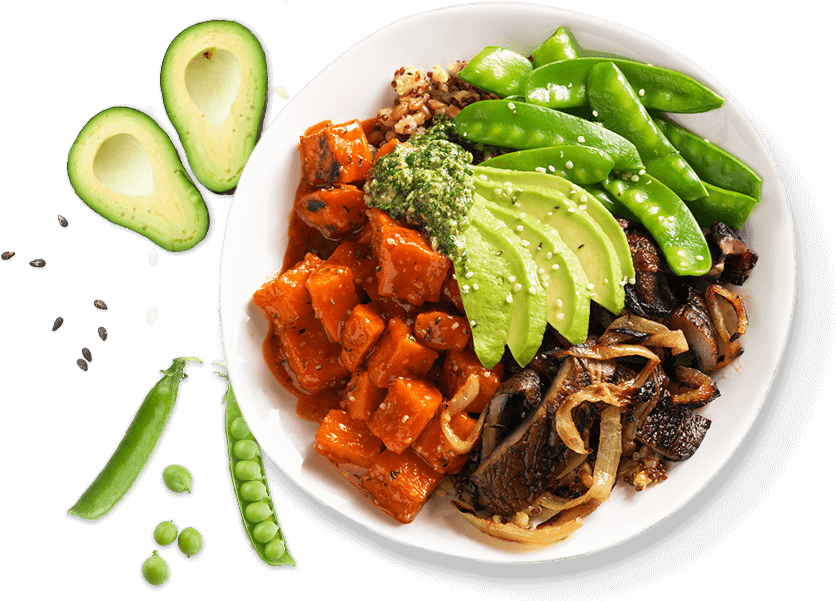
Eating for the Environment
Our planet provides the water, air, and fertile soils that sustain life, but human activity is pushing it to the brink. If we fail to act, we risk losing the lakes, forests, and soils that nourish us and countless other species. Thankfully, we already have a powerful way to reduce our impact: veganism.
The only truly ‘green’ diet, a vegan lifestyle produces far lower greenhouse gas emissions than meat, fish, or vegetarian diets. Plant-based foods require less water, land, and chemicals, and are far more efficient to produce, feeding more people with fewer resources. A global shift toward plant-focused diets could cut food-related emissions by up to two-thirds, helping to prevent climate collapse while ensuring enough food for everyone.