

Discovering a Kinder, Healthier, and More Sustainable Lifestyle
Deciding to be vegan is not only about what you eat — it is a thoughtful decision to coexist peacefully with the earth, other living beings, and yourself. We’ll explore why millions of people around the world are choosing to go vegan, and how you can start your own vegan journey with confidence and ease.

Why Go Vegan?
From protecting animals and reducing environmental impact to improving personal health, the reasons to go vegan are deeply meaningful. We’ll look at the ethical, ecological, and wellness benefits that make veganism one of the most powerful lifestyle movements today.

How to Go Vegan?
Transitioning to a vegan lifestyle doesn’t have to be overwhelming. Here, you’ll find simple steps, practical tips, and useful resources to help you make the shift — from meal planning and shopping guides to understanding plant-based nutrition and staying motivated.
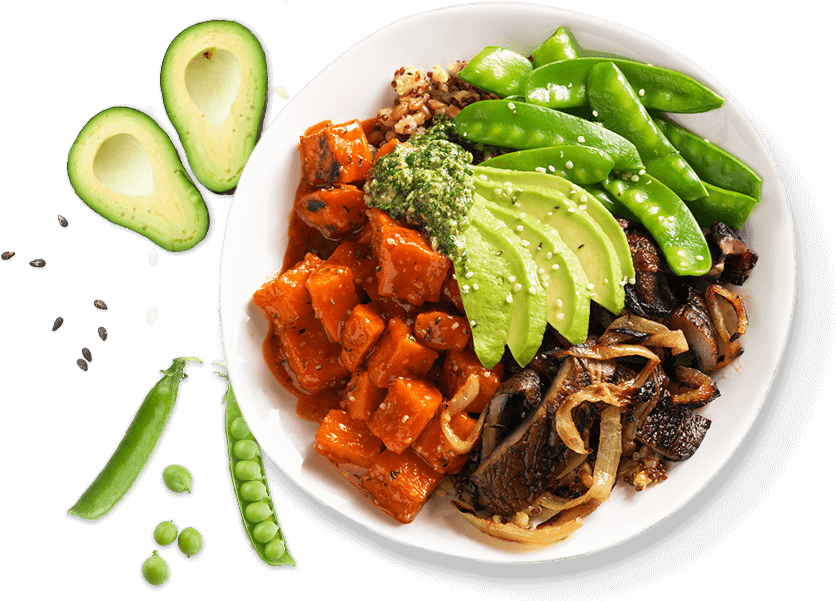
The Complete Guide to Adopting a Healthy Plant-Based Diet
Being vegan feels like waking up to a deeper truth about kindness and connection. Many people describe this change as one of the best choices they’ve ever made, especially when they discover the life-changing benefits of veganism for their health and the planet. While the process of a vegan transition might seem daunting at first, it soon becomes a decision that brings peace of mind and a sense of purpose. Learning how to be vegan isn’t just about food; it’s about a special lightness that comes with knowing your everyday actions no longer cause unnecessary harm to others.
Being vegan isn’t about giving things up; it’s about discovering better alternatives. Today, plant-based foods, clothing, and cosmetics offer as much satisfaction, comfort, and joy as their non-vegan counterparts. From affordable everyday essentials to high-end luxury options, the world of cruelty-free living is rich and diverse. What we leave behind are only the things that were never truly ours to take — the products that depend on the suffering and loss of others.
Today, with countless plant-based alternatives available, going vegan has never been more accessible. There’s no need to view vegetarianism as a stepping stone — making a full transition is both practical and deeply rewarding.
At first, it may seem challenging to rethink what you eat, wear, and use during your vegan transition. But as soon as you realise that animals cherish their lives just as we do, something shifts within you. Compassion becomes the natural guide, and understanding how to be vegan becomes a source of empowerment. In time, being vegan becomes not a restriction, but a reflection of who you truly are, allowing you to fully experience the ethical and personal benefits of veganism.
Definition of Veganism
Veganism is a philosophy and way of living that seeks to eliminate, as far as is reasonably possible, all forms of animal exploitation and cruelty for food, clothing, or any other purpose. It promotes the use of animal-free alternatives that support the well-being of animals, humans, and the environment. From a dietary perspective, veganism involves avoiding all foods and products derived wholly or partly from animals. Vegans therefore refrain from consuming, wearing, or using any animal-based items and aim to minimise harm to animals in every practical aspect of daily life.
It's not just about diet
Vegans seek to avoid the exploitation of animals for any purpose, with compassion serving as a central motivation for many who adopt a vegan lifestyle. Animal-based ingredients and products tested on animals show up in everything from accessories and clothing to cosmetics and daily toiletries. They are much more common than you might think.
Food products
As more people choose veganism and plant-based food sales keep increasing, shoppers now have access to a broader range of clearly labelled vegan products. This makes food shopping much easier than before. However, many “accidentally vegan” products still don’t have clear labels, so it can sometimes be necessary to check the ingredients. Generally, vegans avoid all foods that come from animals. This includes meat, dairy products, eggs, honey, and any items that have ingredients from animals. They aim to keep their diet completely plant-based.
Fashion and accessories
The fashion industry is responsible for the exploitation of millions of animals worldwide. The production of one of these materials – leather, fur, down, feathers, wool, or silk – means that an animal is suffering somewhere. Hence, vegans stay away from wearing clothes and shoes and carrying a bag made of any of these materials and choose to use products made of materials that are plant-based and free of any kind of cruelty.
Cosmetics and personal care items
Numerous beauty and personal care products have components that come from animals and are tested on animals. Some of the most common examples are beeswax, lanolin, collagen, and some colourants or fragrances. Hence, vegans opt for products that are not only cruelty-free but also do not contain any substances of animal origin, i.e. they use makeup, skincare, haircare, and toiletries that do not harm animals and promote the execution of ethical principles.
Household and cleaning products
Many household and cleaning products contain animal-derived ingredients or have been tested on animals to ensure their effectiveness and safety. This includes items such as detergents, polishes, soaps, and other everyday cleaning products. Vegans aim to choose alternatives that are both cruelty-free and free from animal ingredients, ensuring that their homes remain ethical spaces that do not contribute to animal exploitation.
Why choose a plant-based diet?

Feel Better
Nourish your body with foods that support steady energy, better digestion, and reduced inflammation—so you can feel lighter, clearer, and more vibrant.

Lose Weight & Keep it Off
Whole plant foods are rich in fibre and naturally satisfying. Many people find they can manage their weight more easily—without strict calorie counting or extreme dieting.

Protect Your Health
Plant-based eating is associated with lower cholesterol levels, healthier blood pressure, and a reduced risk of heart disease, type 2 diabetes, and other chronic conditions.

Save Money & the Planet
Staple plant foods like beans, grains, and seasonal produce are often affordable and resource-efficient. By shifting your plate, you can lower grocery costs while reducing your environmental footprint.

Healthy Across All Stages of the Life Cycle
What do the world’s nutrition organisations say about vegan nutrition? Many authoritative bodies affirm that a well-structured vegan diet can support optimal health across all stages of the life cycle, including pregnancy, childhood, athletic performance, and older adulthood. Below, we present a selection of the most recognised positions on this topic.
The Academy of Nutrition and Dietetics has long affirmed that well-planned vegan diets are appropriate for all life stages and, in its 2016 update, highlighted their additional health and environmental benefits.
»It is the position of the Academy of Nutrition and Dietetics that appropriately planned vegetarian, including vegan, diets are healthful, nutritionally adequate, and may provide health benefits for the prevention and treatment of certain diseases. These diets are appropriate for all stages of the life cycle, including pregnancy, lactation, infancy, childhood, adolescence, older adulthood, and for athletes. Plant-based diets are more environmentally sustainable than diets rich in animal products because they use fewer natural resources and are associated with much less environmental damage.«
In 2003, Dietitians of Canada and the American Dietetic Association jointly endorsed vegan diets in a position paper.
»Well-planned vegan and other types of vegetarian diets are appropriate for all stages of the life cycle, including during pregnancy, lactation, infancy, childhood, and adolescence. Vegetarian diets offer a number of nutritional benefits, including lower levels of saturated fat, cholesterol, and animal protein as well as higher levels of carbohydrates, fiber, magnesium, potassium, folate, and antioxidants such as vitamins C and E and phytochemicals. Vegetarians have been reported to have lower body mass indices than nonvegetarians, as well as lower rates of death from ischemic heart disease; vegetarians also show lower blood cholesterol levels; lower blood pressure; and lower rates of hypertension, type 2 diabetes, and prostate and colon cancer.«
The National Health Service (NHS) also affirms that a well-planned vegan diet can be suitable at every stage of life.
»With good planning and an understanding of what makes up a healthy, balanced vegan diet, you can get all the nutrients your body needs.«
»During pregnancy and when breastfeeding, if you follow a vegan diet, you’ll need to make sure you get enough vitamins and minerals for your child to develop healthily.«
These global health endorsements prove that being vegan is a scientifically backed choice for everyone. By understanding how to be vegan with a focus on nutrient-dense foods, you can unlock the full benefits of veganism, such as improved heart health and lower disease risk. Whether you are starting your vegan transition today or have been on this path for years, the consensus remains clear: a thoughtful plant-based diet supports a long, healthy, and vibrant life.
A well-informed vegan diet supports health at every stage of life
One point is clear: with proper knowledge, a vegan diet is both achievable and healthful at every stage of life. Beyond personal health, a plant-based diet helps the planet. It has great potential to fight climate change, environmental damage, global hunger, pandemics, antibiotic resistance, and species extinction. Additionally, choosing a more plant-based diet lowers animal suffering and death in agriculture. It connects nutrition with ethical responsibility.
You Can Help Animals Used for Food
With so many delicious plant-based options, eating compassionately has never been easier. Whether you choose it for the animals, the planet, or your own health, every plant-based meal is a small but powerful way to make the world a kinder place.
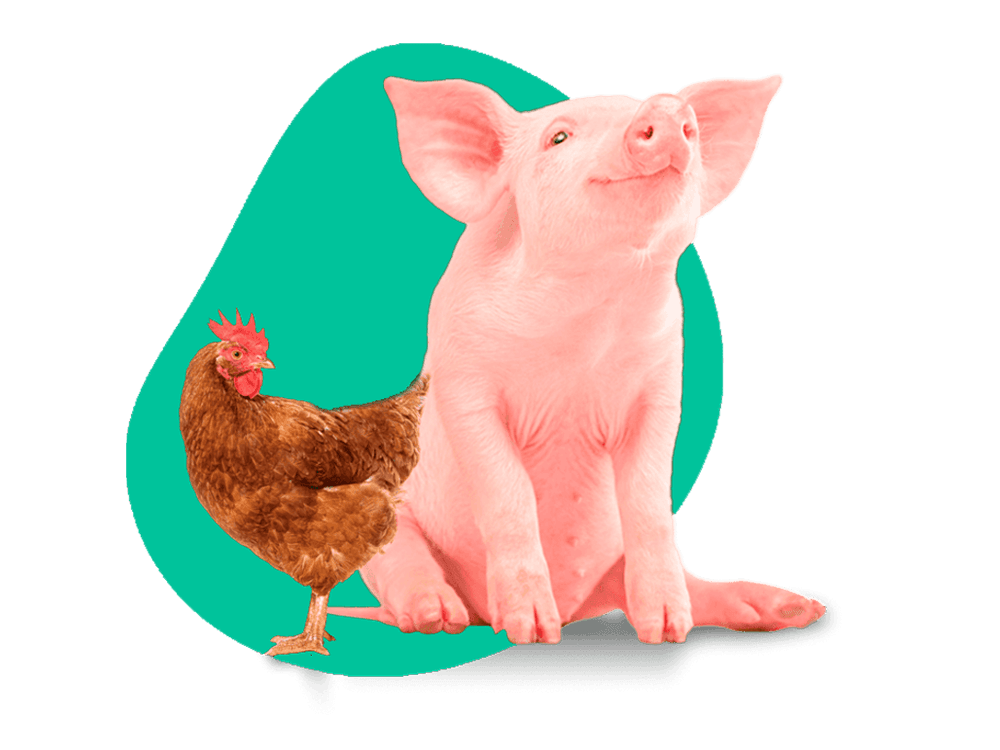
Our Moral Responsibility
to Animals
Ethics isn’t just about how humans treat each other — it also matters in our relationship with animals. Even if animals can’t make moral choices, the decisions we make, and sometimes the things we choose not to do, have real consequences for them. Every time we allow harm to occur, we play a part in it. Ignoring this responsibility because animals aren’t “moral agents” is unfair and narrow-minded. True compassion means recognising that their suffering matters and that, as humans capable of making ethical choices, we have a duty to act whenever we can prevent harm.
Going vegan
saves each month:
30 animal lives
84 M² of forest
273 KG of CO2

124,917 litres of water

543 KG of grain