
Animal Testing: Taking suffering out of science
Science should advance without causing unnecessary suffering.
Every animal deserves a life free from fear, pain and exploitation. Yet millions of animals around the world are still used in scientific experiments, product safety testing and biomedical research.
Today, advances in science and technology are opening the door to a better future — one where human health, scientific progress and compassion can move forward together.
What Is Animal Testing?
What happens behind laboratory doors?
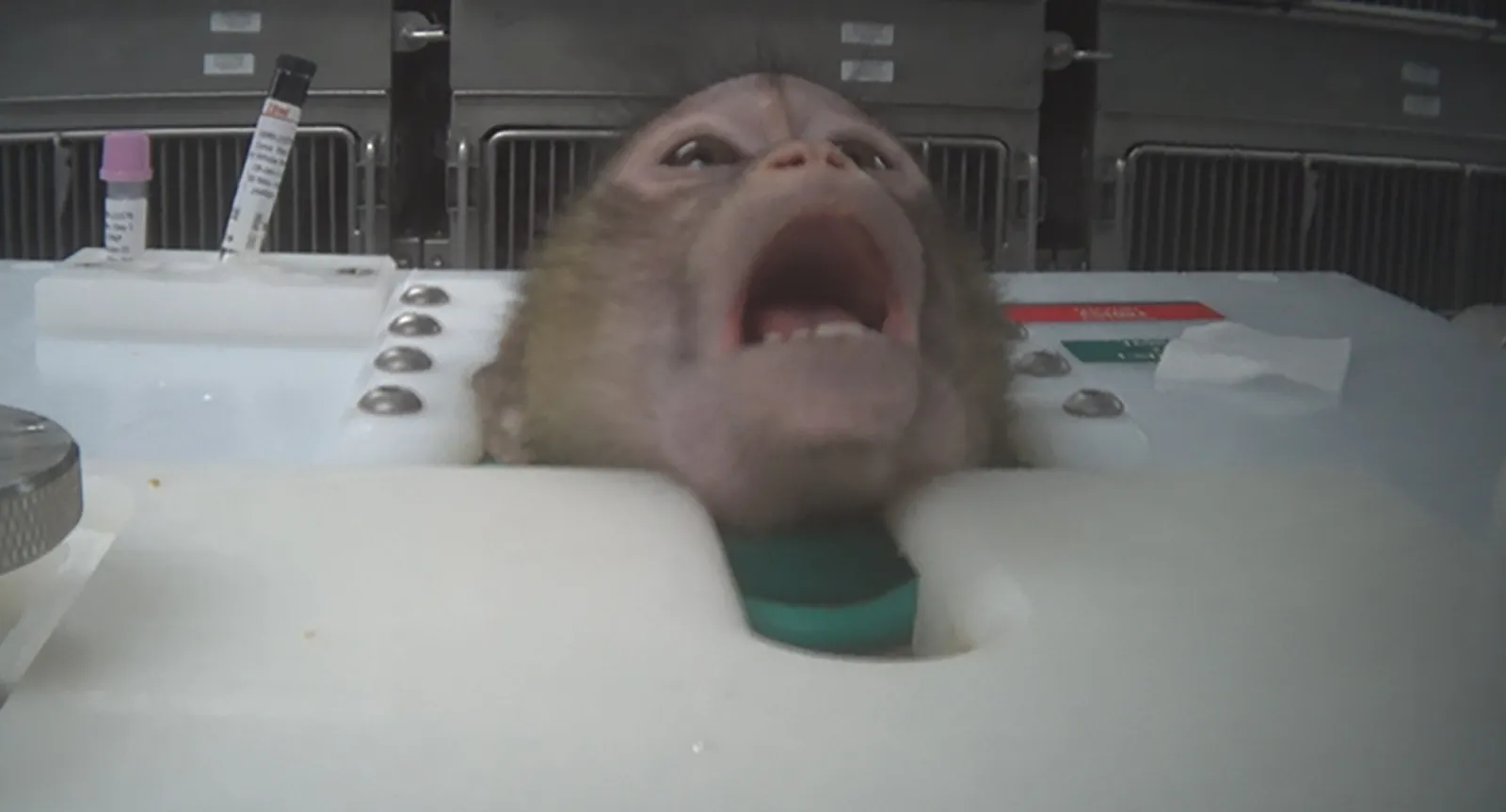
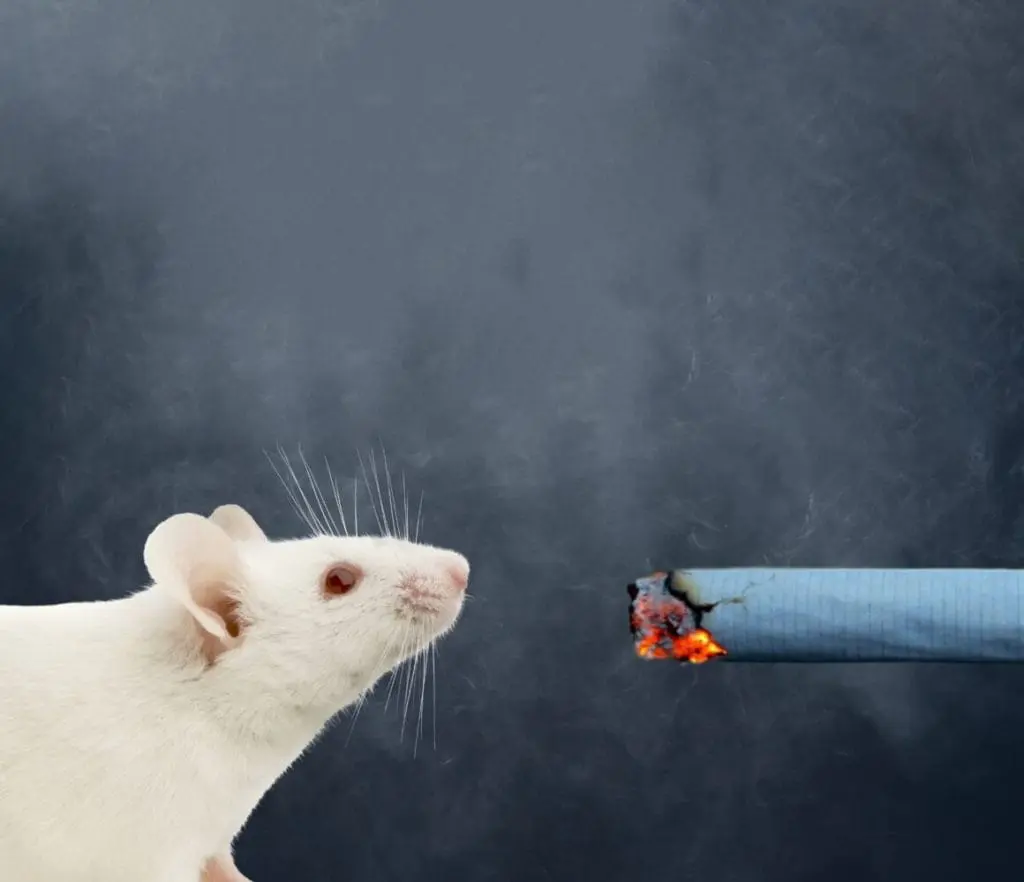
Animal testing refers to the use of living animals in scientific experiments, medical research, toxicity assessments and product safety testing. Animals such as mice, rats, rabbits, guinea pigs, dogs, monkeys and fish may be subjected to procedures designed to study diseases, evaluate chemicals, test medicines or investigate biological processes.
These procedures can involve exposure to potentially harmful substances, invasive interventions, surgical procedures, forced administration of chemicals and other forms of physical or psychological distress.
Although animal experiments are often conducted in the name of scientific progress, we must ask an important question:
Is scientific progress worth the suffering of sentient beings when other approaches are possible?
We believe science should continually seek methods that protect both human health and animal lives.
Why Is Animal Testing a Problem?
The ethical and scientific concerns
Animal testing raises serious ethical, scientific and practical concerns.
01
Animal suffering
Animals are sentient beings capable of experiencing pain, fear, stress and distress. Laboratory procedures can expose them to significant physical and psychological harm.
02
Scientific limitations
Animals and humans have important biological differences. Results obtained from animal studies do not always accurately predict how a substance or treatment will affect humans.
03
Questionable human relevance
Animal models can provide useful scientific information in certain contexts, but their ability to predict human responses varies depending on the disease, model and research question.
04
Outdated research approaches
Modern technologies offer new ways to investigate human biology, study diseases and evaluate chemical safety without relying exclusively on animal models.
05
Ethical responsibility
Scientific progress should not overlook the interests of other living beings. We have a responsibility to develop research practices that minimise harm and respect animal welfare.
Where Are Animals Used in Testing?
Animal testing goes beyond cosmetics
Animal experiments take place across several scientific and commercial fields.
Cosmetics and personal care
Testing ingredients and products for skin irritation, eye irritation, toxicity and other safety concerns.
Medical and pharmaceutical research
Studying diseases, developing medicines and investigating the safety and effectiveness of potential treatments.
Chemical and industrial testing
Evaluating the potential health and environmental effects of industrial chemicals and other substances.
Education and scientific training
Using animals in teaching, laboratory demonstrations and practical training when non-animal educational alternatives may be available.
Science Without Animal Testing
Meet the alternatives
Scientific innovation is making it increasingly possible to study human biology and assess the safety of substances without using animals. These approaches are often referred to as non-animal methods or New Approach Methodologies (NAMs).
Here are some important examples:
01
In Vitro Testing
Uses human cells, tissues and laboratory-grown biological models to study how substances affect living systems.
02
Organ-on-a-Chip Technology
Uses miniature devices containing living human cells to reproduce selected functions of human organs.
03
In Silico Models
Uses computer simulations, mathematical models and computational tools to predict biological responses and investigate potential risks.
04
Organoids and Stem Cell Research
Uses three-dimensional structures grown from human cells to model certain aspects of human organs and diseases.
05
Human-Based Research
Uses approaches such as clinical studies, human tissue analysis and non-invasive monitoring to investigate human health directly.
These technologies are not universal replacements for every animal experiment yet. However, they offer important opportunities to reduce animal use and replace it in areas where scientifically validated alternatives are available.
The 3Rs: A Step Towards Humane Science
The internationally recognised 3Rs framework provides guidance for reducing animal use and improving scientific practices.
01
Replacement
Replacing animal experiments with scientifically appropriate non-animal methods whenever possible.
02
Reduction
Reducing the number of animals used in research while maintaining scientific quality.
03
Refinement
Improving research methods and animal care to minimise pain, suffering and distress.
Our vision is a scientific future built on the complete replacement of animal experimentation with innovative, reliable and human-relevant research methods.
Science must move forward. Animal exploitation must not.
The Hidden Cruelty of Animal Testing
The Hidden Cruelty Behind Laboratory Doors
Behind every laboratory experiment is a living being with the capacity to feel pain, fear and distress. Animal testing is often described using scientific terms such as toxicity assessment, safety evaluation and biomedical research. But behind these technical descriptions are individual animals whose lives may be filled with confinement, invasive procedures, fear and suffering.
Animals used in laboratories cannot choose whether to participate. They cannot understand why they are being confined, injected, restrained or subjected to painful procedures. They cannot give informed consent. They cannot walk away.
Their suffering is frequently hidden from public view, behind laboratory walls and scientific terminology.
What happens to animals in laboratories?
01
Forced Exposure to Chemicals
Animals may be forced to swallow, inhale or come into contact with chemicals to evaluate toxicity and potential harmful effects.
02
Skin and Eye Irritation Tests
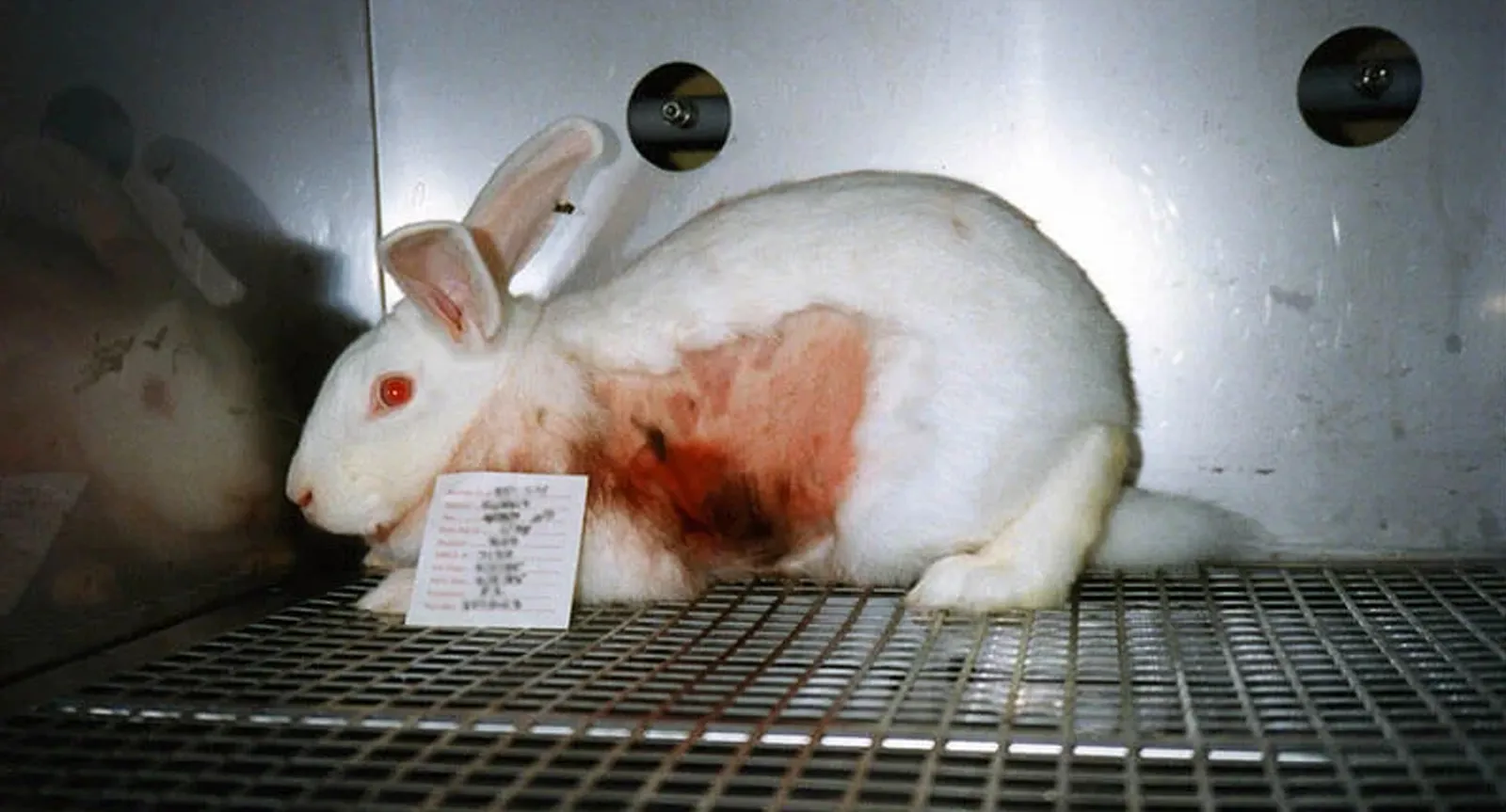
Certain testing methods expose animals to substances that may cause skin inflammation, irritation, tissue damage or eye injuries.
03
Repeated Injections
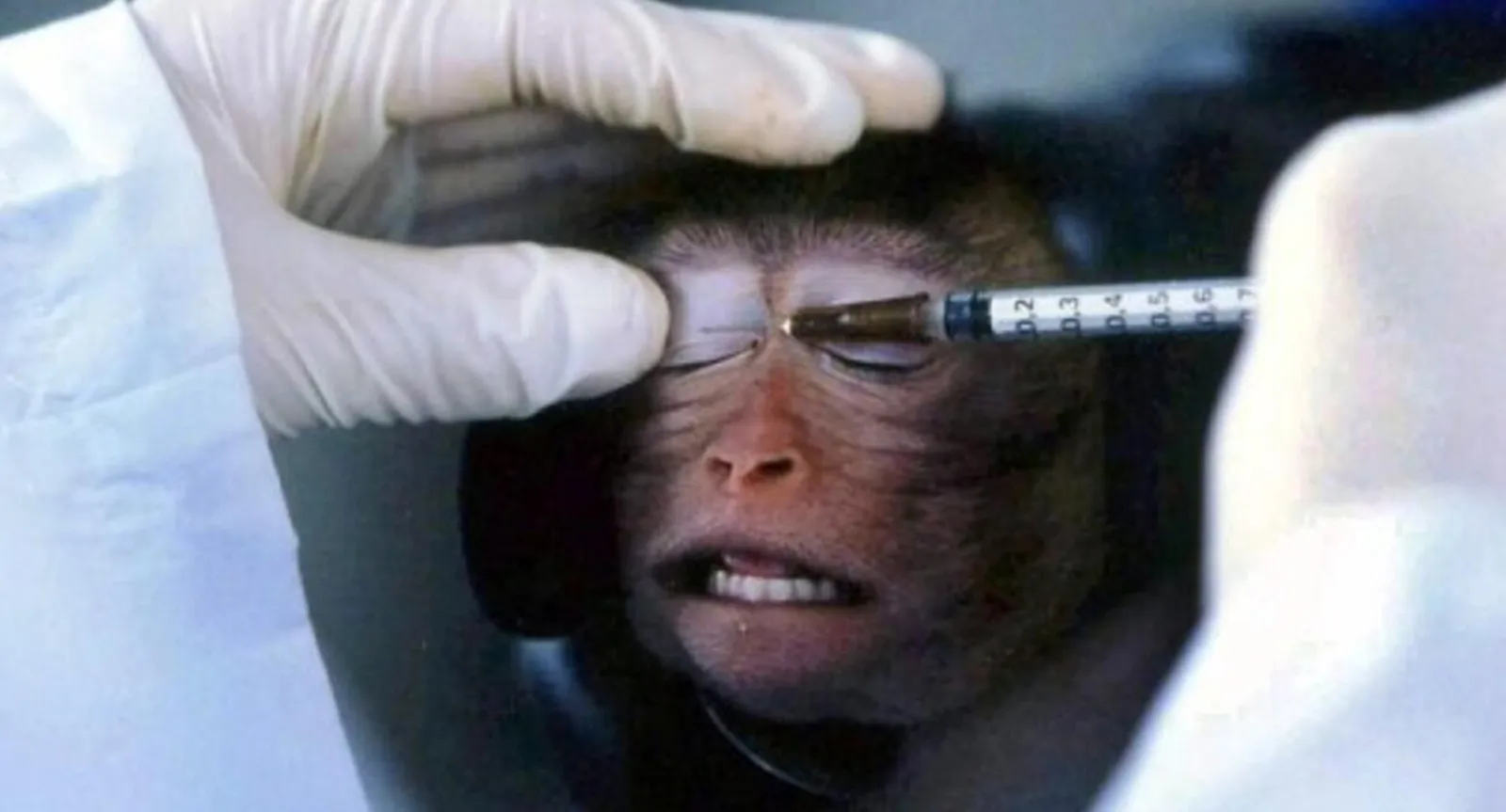
Animals may receive repeated injections of experimental substances, chemicals or biological materials to study their effects.
04
Surgical Procedures
Some experiments involve invasive surgery, implantation of devices, removal of tissues or other interventions that may cause pain and physical distress.
05
Disease Induction
Animals may be deliberately made ill or genetically modified to develop characteristics associated with human diseases, allowing researchers to investigate their progression.
06
Psychological Stress and Confinement
Laboratory animals may experience isolation, restricted movement, unfamiliar environments, repeated handling and stressful experimental procedures.
07
Death as an Experimental Endpoint
Some animals are killed at the end of experiments so that researchers can examine their organs, tissues and biological responses. Others may be euthanised when they are no longer required for research.
These are not simply technical procedures. They involve living beings whose interests and lives matter.
They are not laboratory equipment.
They are individuals. They feel. They fear. They suffer. And they deserve to live free from exploitation.
Their lives are not ours to experiment with.
Who Are the Victims of Animal Testing?
They Are Not Just Numbers. They Are Lives.
When we talk about animal testing, it is important to remember that the victims are not limited to one species. Animals from many different species are used in scientific research, toxicity testing, pharmaceutical development and other laboratory procedures.
Here are some of the animals whose lives are affected.
Mammals
Mice
Among the most frequently used laboratory animals. They are used in genetic research, cancer studies, neurological research, disease models and toxicity testing.
Rats
Used in studies involving the nervous system, behaviour, toxicology, metabolism and pharmaceutical development.
Rabbits
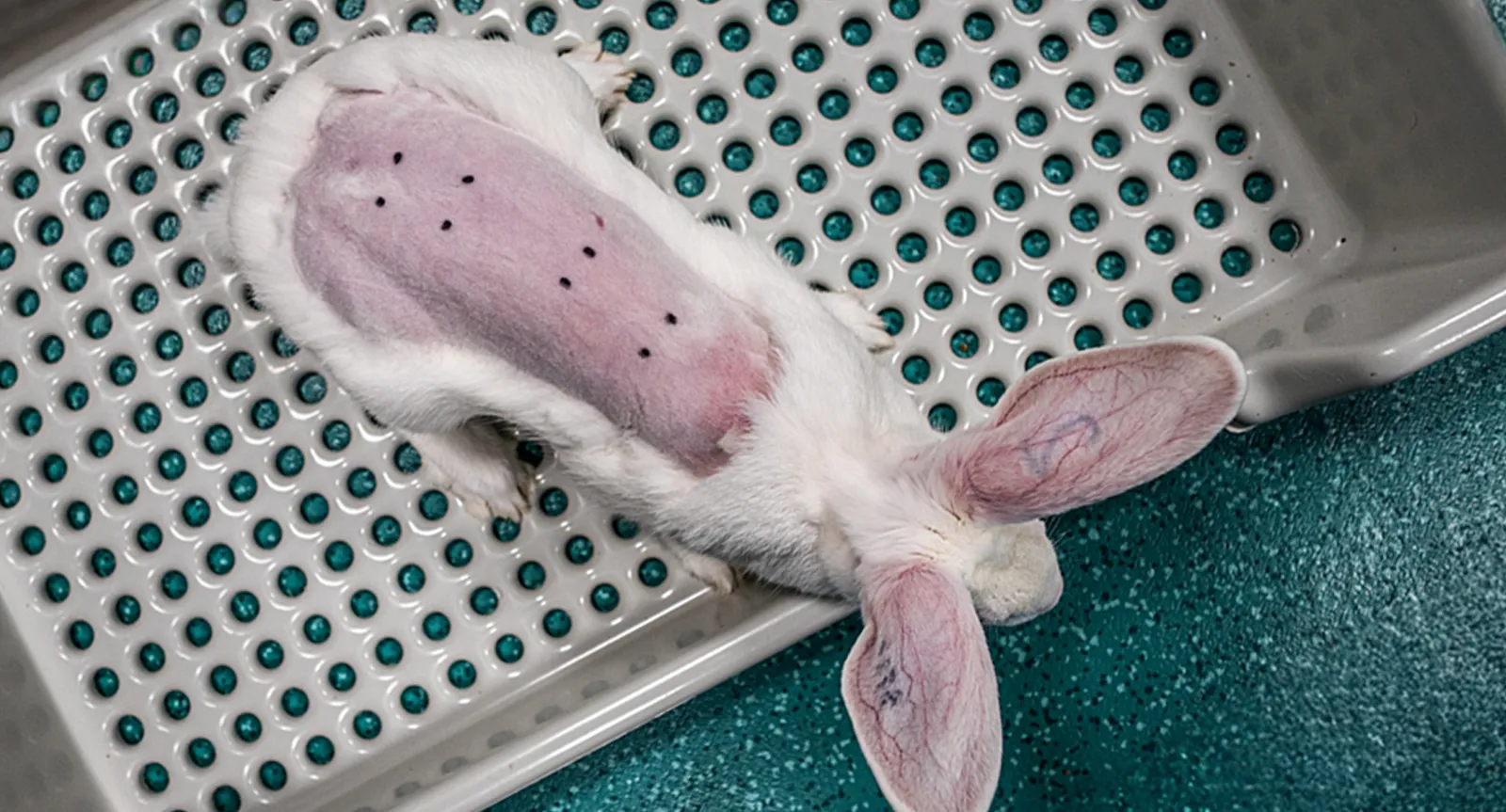
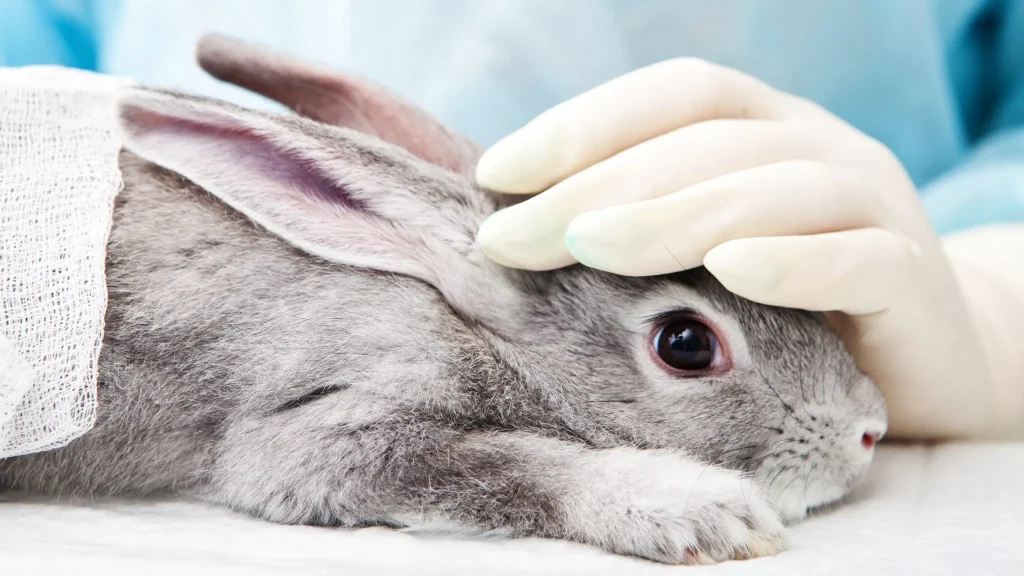
Used in certain toxicity, eye irritation, skin irritation, reproductive and antibody-production studies.
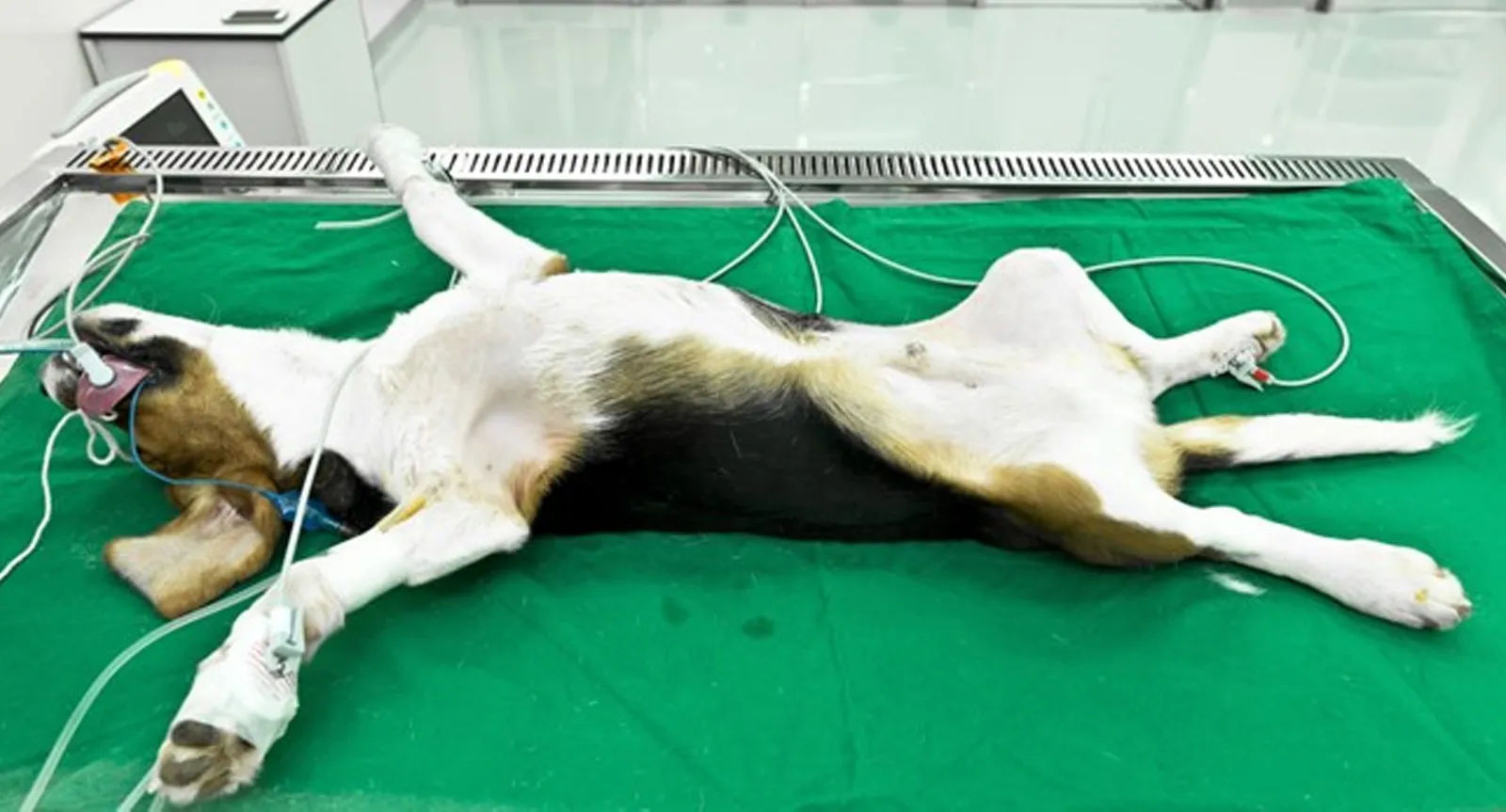
Dogs
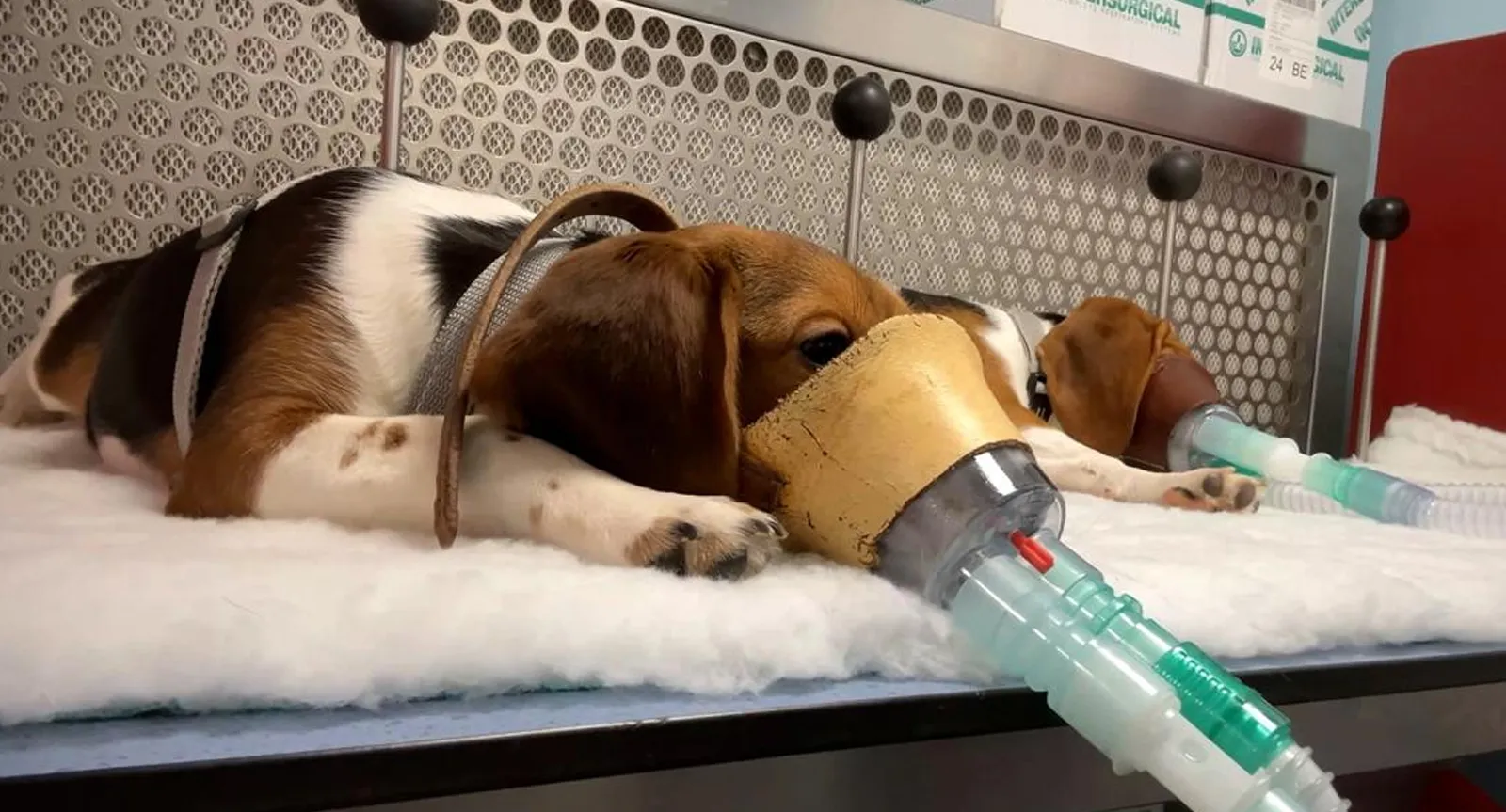
Particularly beagles have been used in pharmaceutical safety and toxicity studies.
Cats
Used in certain neurological, physiological, infectious disease and veterinary research studies.
Non-human Primates
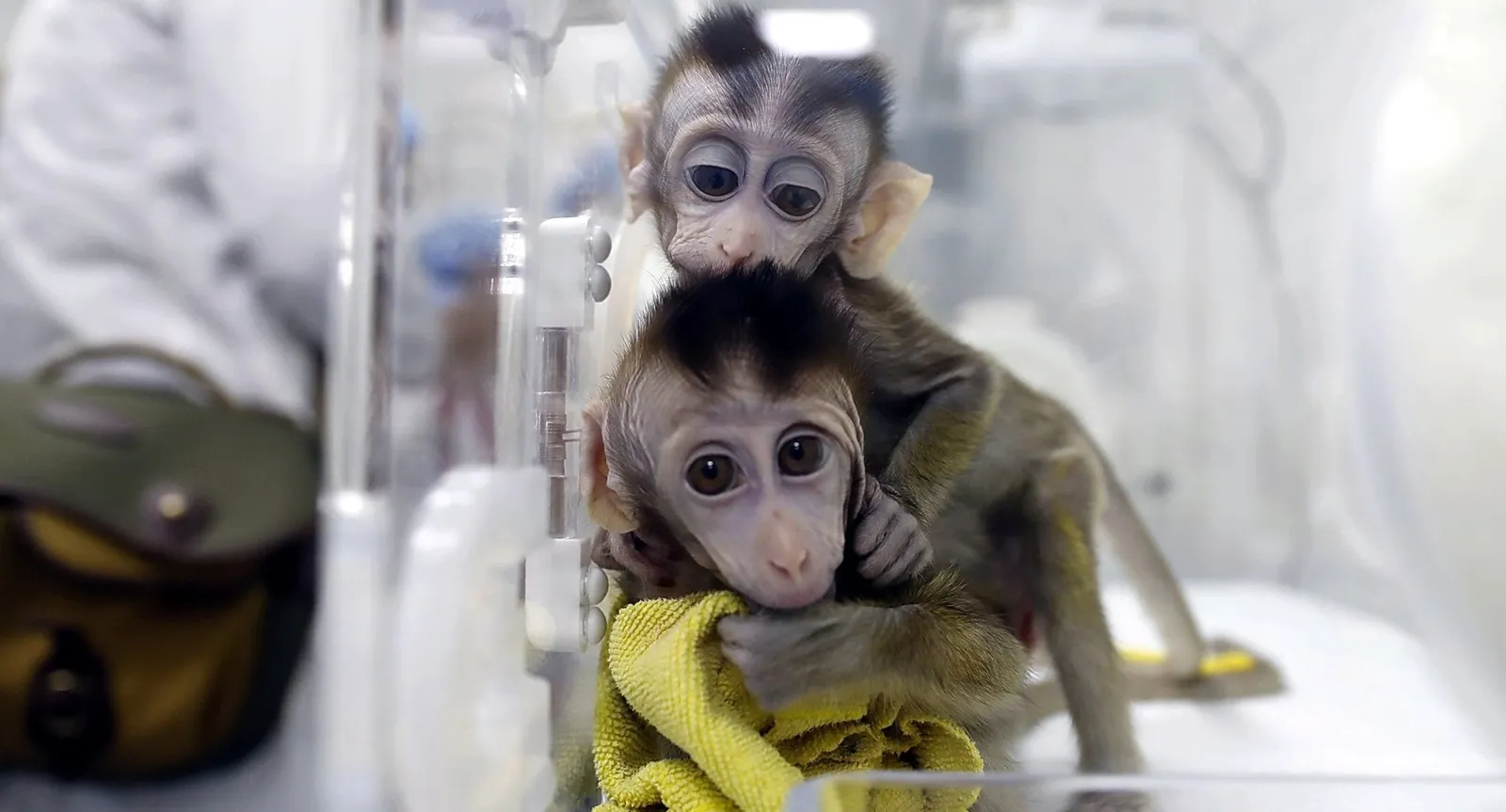
Including macaques and marmosets, used in some infectious disease, neurological, immunological and biomedical research.
Guinea Pigs
Used in immunology, allergy, infectious disease and other research.
Pigs
Used in surgical research, cardiovascular studies, medical device development and other biomedical investigations.
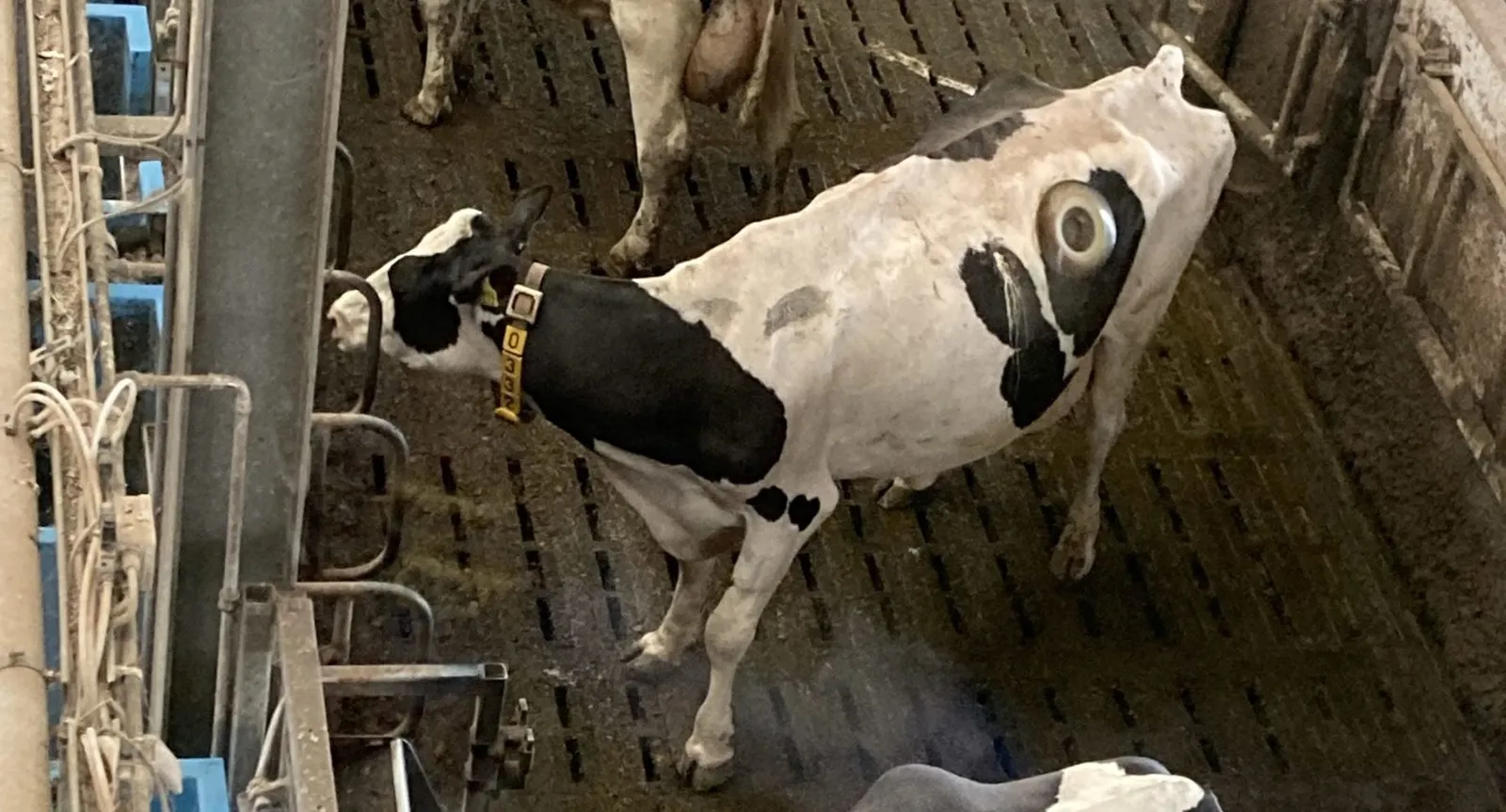
Sheep, Goats, Cows and Horses
Used in various veterinary, agricultural, reproductive, physiological and biomedical studies.
Birds, Fish and Other Animals
Birds and Chickens
Used in infectious disease research, vaccine studies, developmental biology and other investigations.
Fish, Including Zebrafish
Used in genetic research, developmental biology, toxicology and studies of disease.
Frogs and Other Amphibians
Used in developmental, physiological and biological research.
Octopuses and Other Cephalopods
Used in neuroscience, behaviour, physiology and other research. Some cephalopods, including octopuses, are specifically protected under EU scientific animal-use legislation.
Hamsters and Other Rodents
Used in infectious disease research, immunology, genetics and pharmaceutical studies.
Reptiles
Certain reptile species are also used in scientific research and biological studies.
The Numbers Behind the Suffering
Millions of Lives. Every Year.
Animal experimentation is not a rare or isolated practice. Official statistics reveal the scale of animal use in scientific research.
90%
of drugs tested on animals ultimately fail in human trials, according to the National Institutes of Health.
190 million animals
are estimated to be used in harmful experiments each year globally; most are killed after the experiment is over.
Failure Rates: Critics and humane research organizations point out that 90% to 95% of drugs successfully tested on animals fail during human clinical trials due to physiological differences.
United States: Over 110 million animals (primarily mice, rats, birds, and fish) are used annually. Roughly 99% of these species are excluded from federal protections under the Animal Welfare Act.
European Union / Germany: In recent regional reports, Germany utilized over 3 million total laboratory animals in a single year (including direct experiments, organ/tissue extraction, and surplus stock), with tens of thousands categorized as experiencing the highest levels of pain and distress.
United Kingdom: Great Britain reported around 2.5 million to 2.6 million animal procedures, with a significant portion involving moderate or severe suffering.
Their Lives Behind Laboratory Doors
A Life They Never Chose
Imagine spending your entire life inside a laboratory. Never exploring the world freely. Never choosing where to go. Never deciding what happens to your own body.
For many animals used in experiments, laboratory life can mean:
- Being born and bred specifically for experimentation.
- Living in controlled and restricted environments.
- Being separated from familiar companions.
- Being repeatedly handled, restrained or subjected to procedures.
- Experiencing pain, fear, stress or illness.
- Being killed when an experiment ends or when they are no longer needed.
Some animals may also be bred with genetic alterations that cause disease or physical abnormalities.
And the suffering does not necessarily end with the experiment. Animals that are no longer required may be killed, including animals that were bred for research but never actually used in an experiment.
They never chose this life. We chose it for them.
What Happens to Animals After Experiments?
When the Experiment Ends, What Happens to Them?
For many laboratory animals, the end of an experiment does not mean freedom. Depending on the research protocol, animals may be:
- Euthanised so that their organs and tissues can be examined.
- Killed because they are no longer needed for research.
- Used in additional authorised experiments.
- Bred and maintained for future research.
- Discarded as surplus animals when they do not meet the requirements of a particular study.
Some animals are killed even if they were never directly involved in an experiment, for example when they are bred in excess or used as a source of biological material.
Animal Testing and Cosmetics
Beauty should never come at the cost of suffering.
Many people are unaware that animal testing has historically been used to assess cosmetic ingredients and products. Choosing cruelty-free cosmetics is one practical way to support a more compassionate approach to consumer products.
When shopping for cosmetics and personal care products:
- Look for credible cruelty-free certifications.
- Research the company's animal testing policy.
- Check whether the policy covers ingredients, finished products and suppliers.
- Do not assume that vegan automatically means cruelty-free.
- Support brands that are transparent about their testing practices.
Vegan
Contains no animal-derived ingredients.
Focuses on ingredients.
Cruelty-Free
Not tested on animals under the scope of the relevant policy or certification.
Focuses on animal testing.
A product can be vegan but not cruelty-free, or cruelty-free but not vegan. Ideally, choose products that meet both standards.
How You Can Make a Difference
Small choices can create meaningful change.
Ending animal testing requires collective action. Individuals, businesses, researchers and policymakers all have a role to play.
Here are five ways you can help:
01
Choose Cruelty-Free Products
Support brands that have credible commitments to ending animal testing.
02
Spread Awareness
Share reliable information about animal testing and the availability of alternative research methods.
03
Support Animal Protection Organisations
Support organisations working to replace animal experiments and promote humane science.
04
Demand Better Science
Encourage research institutions, universities and companies to invest in human-relevant, non-animal technologies.
05
Make Compassionate Choices
Let your everyday purchasing decisions reflect your values and concern for animals.
Be part of the change.
Every voice matters. Every choice counts. Together, we can help create a future where scientific progress does not depend on animal suffering.
Take a stand for animals. Support science without suffering.
Take Action for Animals