


About Cattle
Intelligent, Gentle Cattle
“Cows have a secret mental life in which they bear grudges, nurture friendships, and become excited over intellectual challenges…”
The Sunday Times (UK)
British Newspaper
10 Fascinating
Facts About Cattle
Did you know that cows have best friends and can become stressed when separated from them?

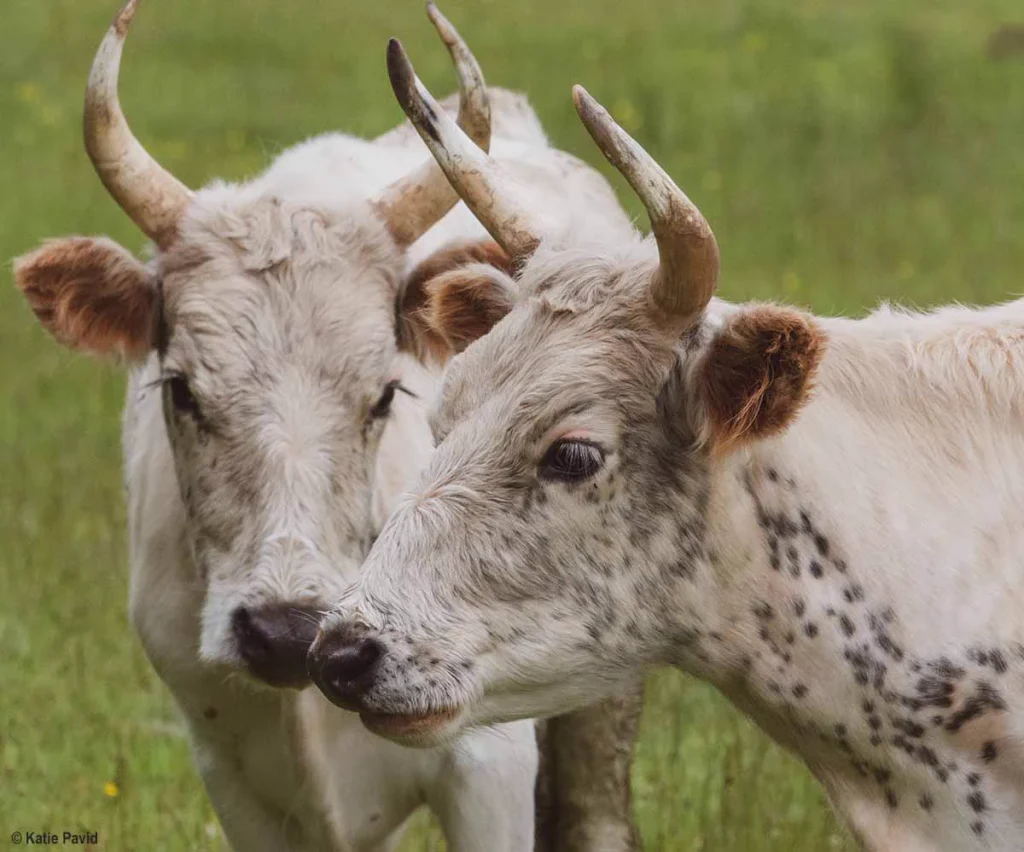
Tip: The best way to observe cattle's natural behaviour is to visit a farm sanctuary where they can roam freely, form friendships, bond with their calves and express their natural instincts without fear of exploitation or slaughter. See for yourself what a natural day in a cow's life looks like.
Cows Used for Dairy
The Hidden Reality Behind Dairy Production
 01 / INDUSTRIAL DAIRY FARMING
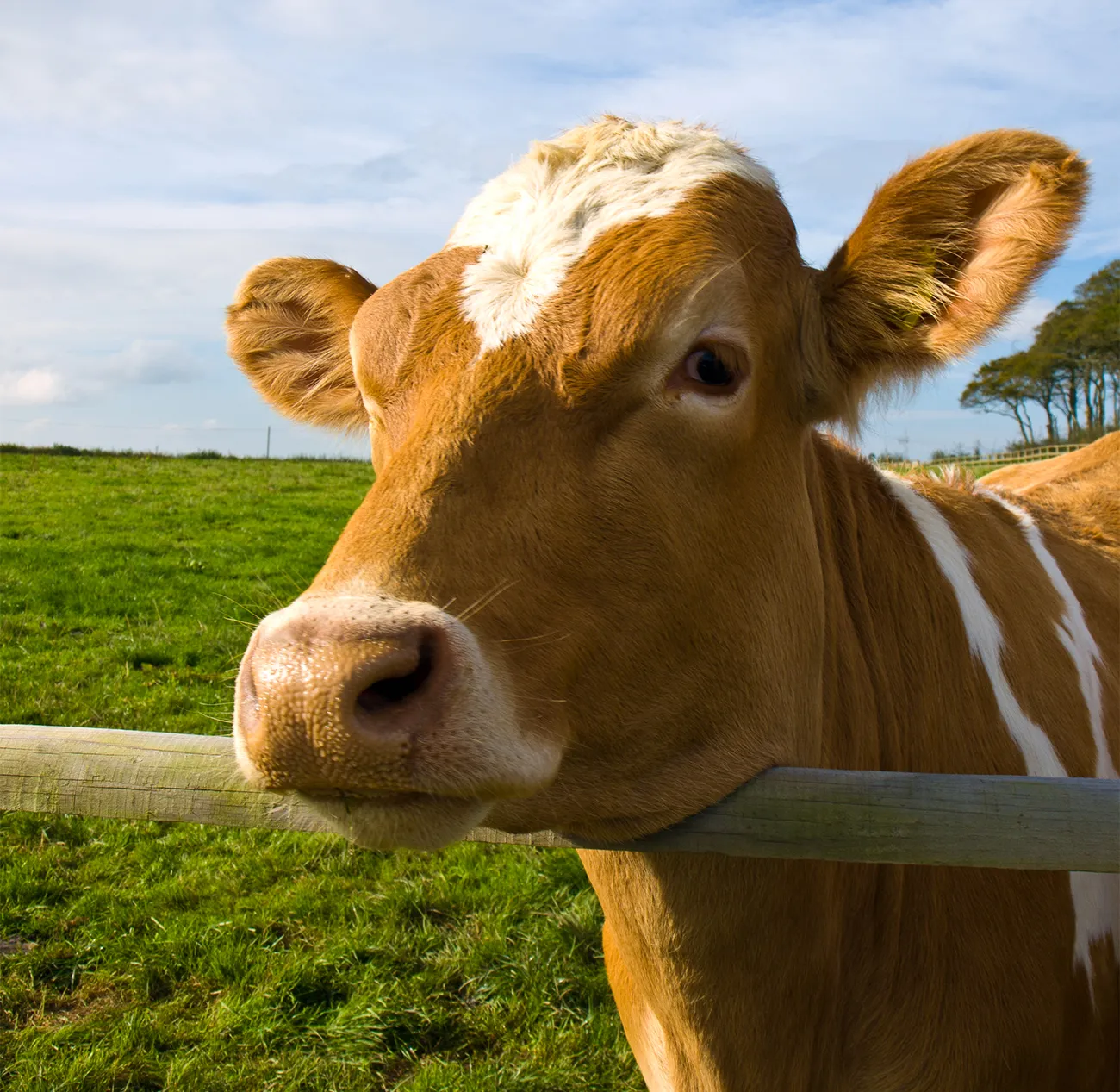
Far from the "Happy Cow" Image
Behind the cheerful images of cows portrayed in dairy industry advertising lies a very different reality. In intensive dairy farming, cows are treated primarily as milk-producing animals rather than sentient beings with emotional and physical needs.
They are repeatedly impregnated, separated from their calves and selectively bred to produce unnaturally high quantities of milk, often at the expense of their health and well-being.
Behind the happy images lies a very different reality.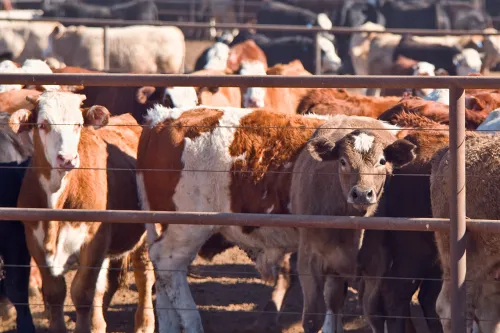 02 / PRODUCTION & SLAUGHTER
Millions Raised and Slaughtered
The scale of the UK dairy industry is substantial. In 2025, the UK had an estimated 1.85 million dairy cows in its milking herd.
But the dairy industry is closely linked to meat production: according to the UK Animal Welfare Committee, around 45% of the country's beef comes from the dairy herd, including dairy-beef crossbred cattle and cows no longer used for milk production.
This highlights an often-overlooked reality: dairy and meat production are interconnected, and many animals raised for milk ultimately enter the meat industry.
Behind every number is an individual animal.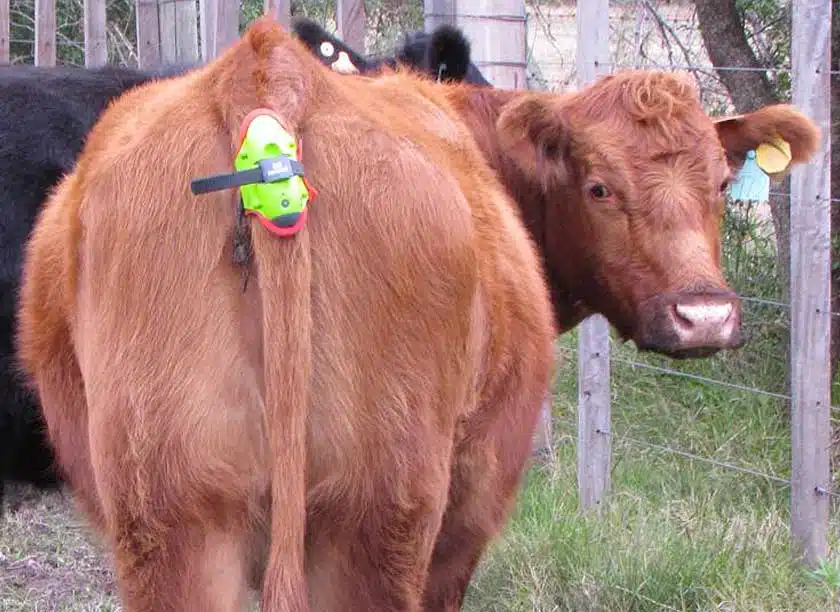 03 / REPRODUCTION
A Lifetime of Repeated Pregnancies
Like all mammals, cows must give birth to produce milk. As a result, dairy cows are subjected to repeated cycles of artificial insemination, pregnancy and childbirth throughout their productive lives.
After giving birth, their calves are typically taken away, while the mothers are returned to intensive milking routines.
This cycle continues with relatively short periods of rest between pregnancies, placing considerable physical demands on their bodies.
Her reproductive life is controlled by the demands of production.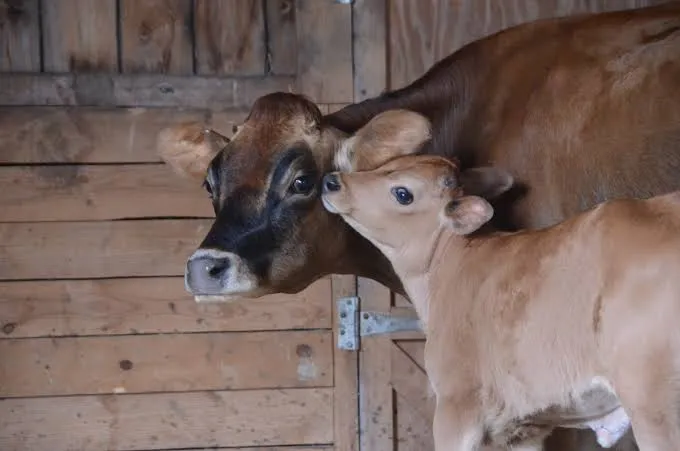 04 / MOTHERHOOD
Mothers and Calves Torn Apart
In many dairy farming systems, calves are separated from their mothers within hours or days of birth. This separation can cause considerable distress for both animals.
Calves may vocalise repeatedly, show signs of stress, experience changes in feeding behaviour and struggle to adjust to life without their mothers. Cows, meanwhile, may continue calling for their missing calves and display signs of maternal distress.
In natural conditions, mother cows would normally nurture, protect and nurse their young for an extended period.
A mother should be free to care for her baby.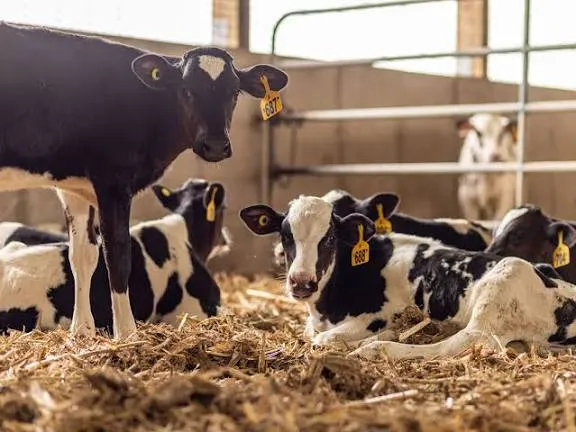 05 / THE VEAL INDUSTRY
The Connection Between Dairy and Veal
Male calves are generally considered less economically valuable to dairy farmers because they cannot produce milk. Many are therefore sold into the meat industry, where they are raised for beef or slaughtered at a young age for veal production.
This makes the dairy and veal industries closely interconnected.
The production of dairy milk does not exist independently of the fate of the calves born into the system.
The dairy industry also determines the fate of its calves.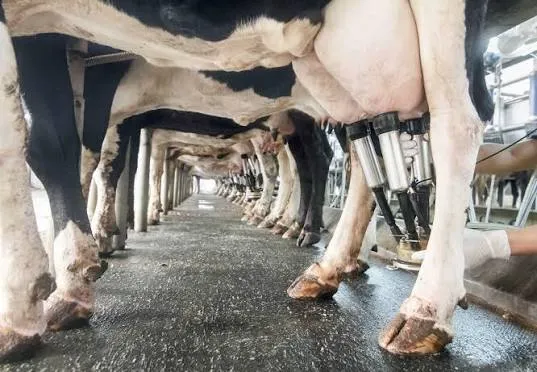 06 / LIVING CONDITIONS
Physically Demanding Living Conditions
Conditions vary between dairy farms, but many cows raised in intensive systems spend much of their lives indoors, often on concrete flooring and in environments that restrict their natural movement.
They are also subjected to frequent mechanical milking. Selective breeding for exceptionally high milk yields places additional strain on their bodies and is associated with health problems such as mastitis, a painful inflammation of the mammary gland.
Lameness and other physical disorders are also significant welfare concerns in intensive dairy production.
Their bodies are pushed beyond their natural limits.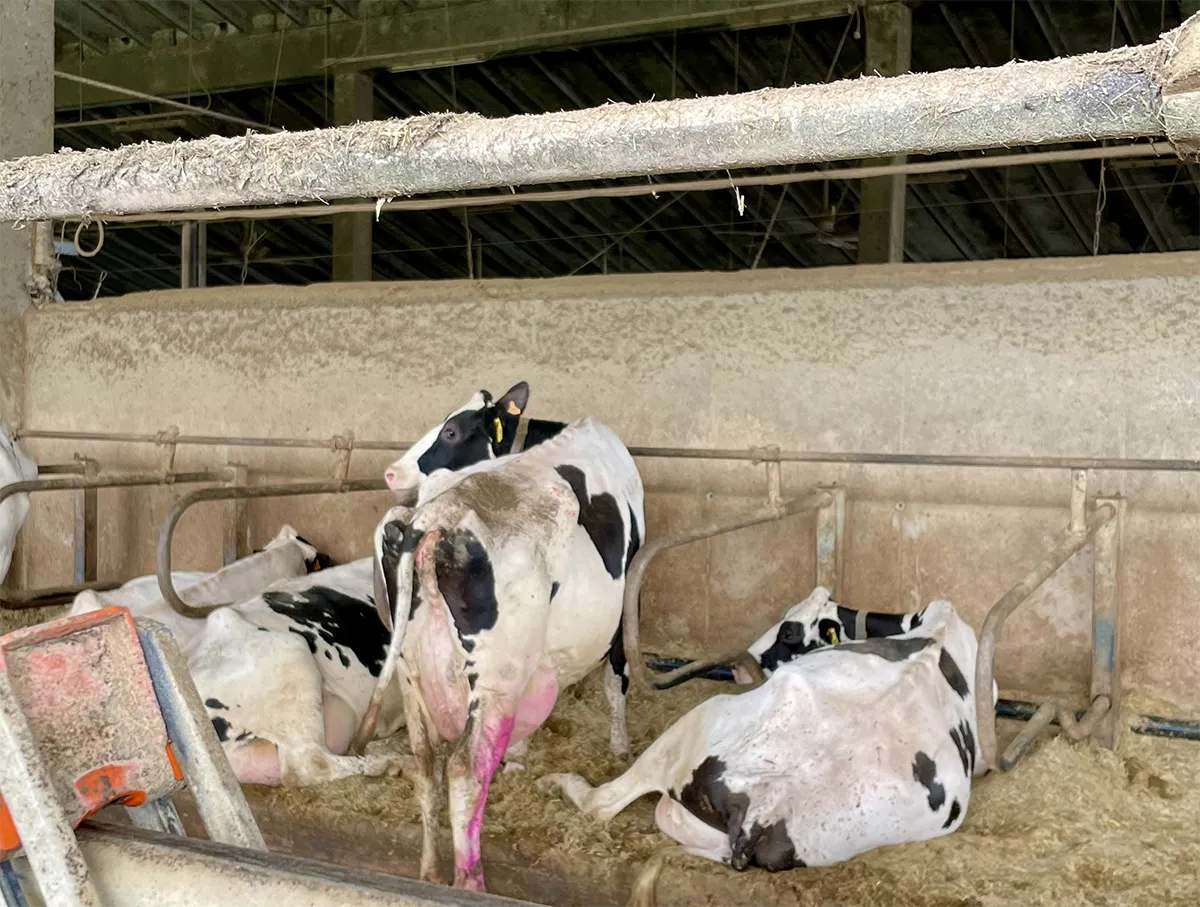 07 / ANIMAL WELFARE
Practices That Cause Unnecessary Suffering
Certain dairy farming practices raise serious animal welfare concerns. The use of bovine growth hormone, particularly recombinant bovine somatotropin (rBST), has been associated with increased risks of health problems, including mastitis and lameness.
Tail docking, another practice historically used on some farms, involves removing or restricting blood flow to a cow's tail. It can cause chronic pain and is prohibited in several jurisdictions.
Even when cows become too weak or injured to stand, some may be subjected to painful handling and transportation rather than receiving the individual care they need.
No animal should have to suffer for greater production.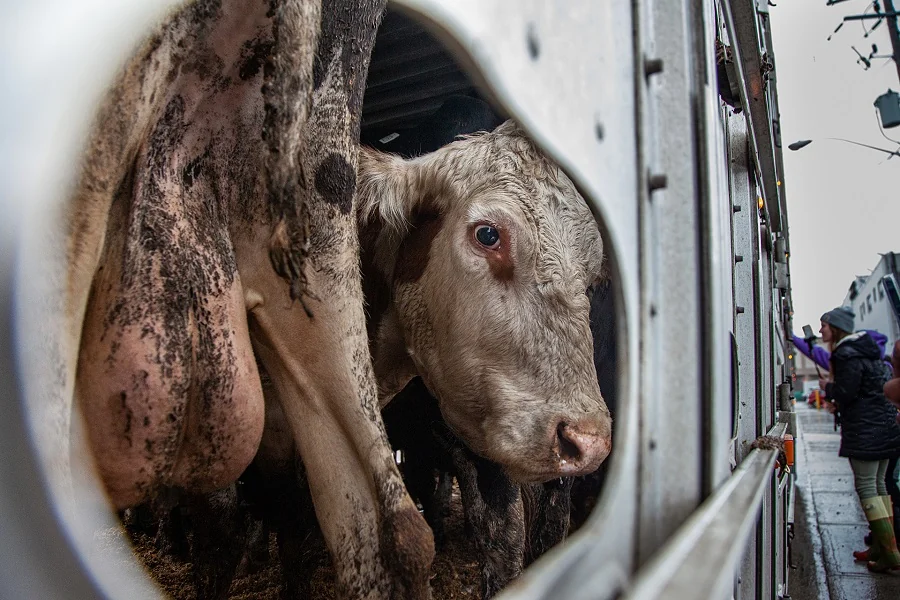 08 / A LIFE CUT SHORT
Lives Cut Short
Cows can naturally live for approximately 20 years or longer, yet dairy cows are commonly slaughtered at a much younger age when their milk production declines or their bodies can no longer sustain the demands of commercial production.
In many intensive dairy systems, this happens at around five to six years of age, although the figure varies considerably between farms and countries.
Once slaughtered, their meat is commonly processed and sold for human consumption, often as ground beef. Their lives are therefore cut dramatically short compared with their potential natural lifespan.
A life that could last decades is cut short for production.Slide 1 of 8
Cattle Raised for Beef
From Calf to Hamburger: A Life of Suffering
 01 / FROM CALF TO HAMBURGER
From Calf to Hamburger: A Life of Suffering
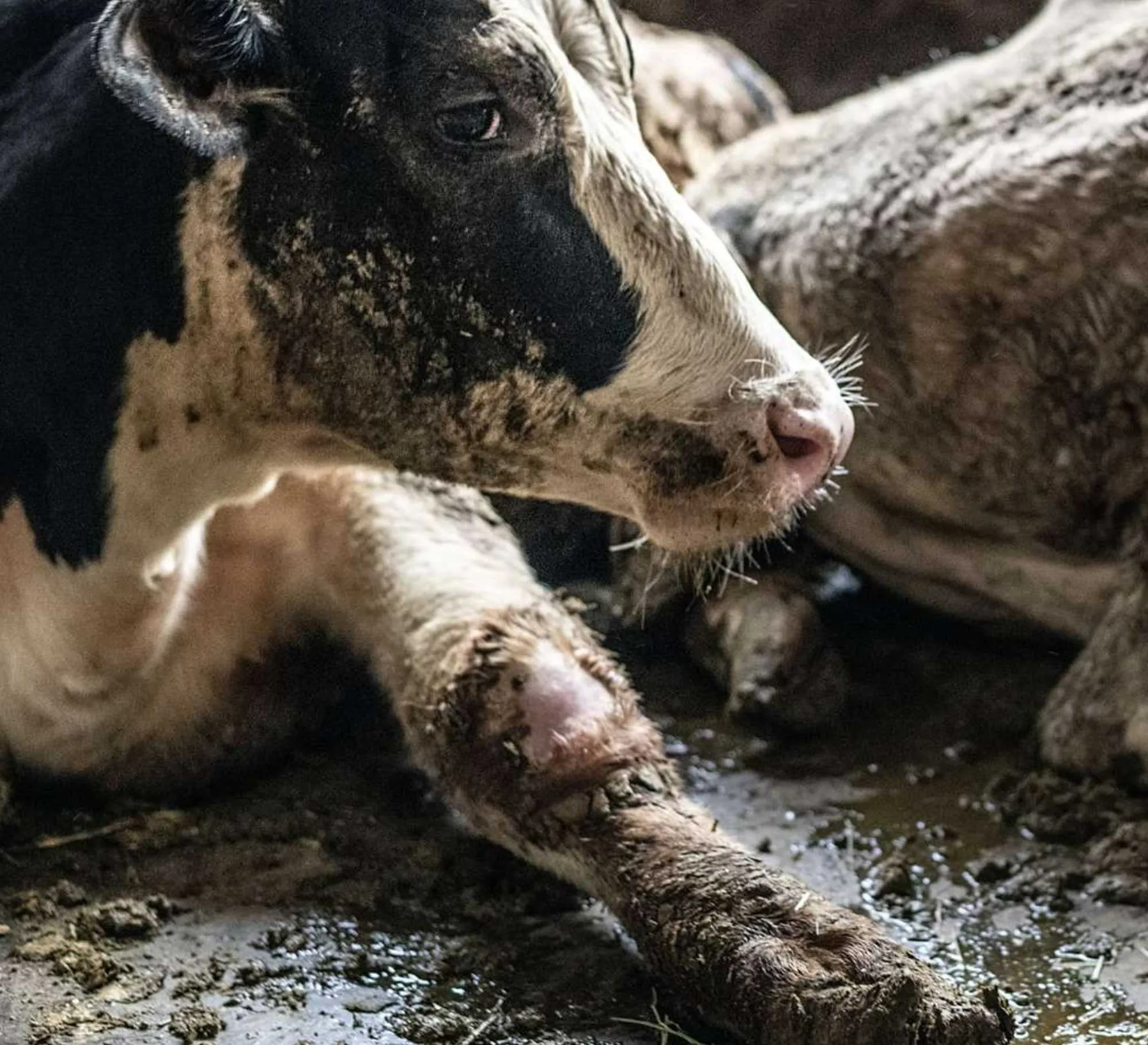
Although their lives may begin in open pastures, calves raised for beef are usually taken away from their mothers at a very young age. This separation is often followed by several painful procedures, including branding, dehorning and castration.
Before reaching their first birthday, many calves are transported over long distances to intensive fattening facilities, where they are fed diets designed to accelerate weight gain and prepare them for slaughter.
Their journey from birth to slaughter begins when they are still very young.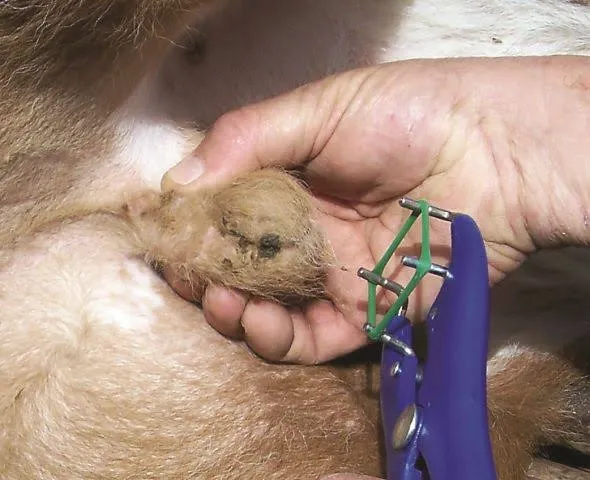 02 / CASTRATION
Castration: Painful Procedures Without Adequate Relief
Male calves are commonly castrated during their first few months of life, as the practice is believed to influence the quality and tenderness of the meat.
Castration may be carried out in several ways: the testicles can be surgically removed using a scalpel, the spermatic cords can be crushed with specialised clamps, or blood circulation to the scrotum can be cut off until the tissue dies and eventually detaches.
Regardless of the technique used, these procedures cause considerable pain and discomfort, which may persist for several days.
A procedure carried out for meat production can cause lasting distress.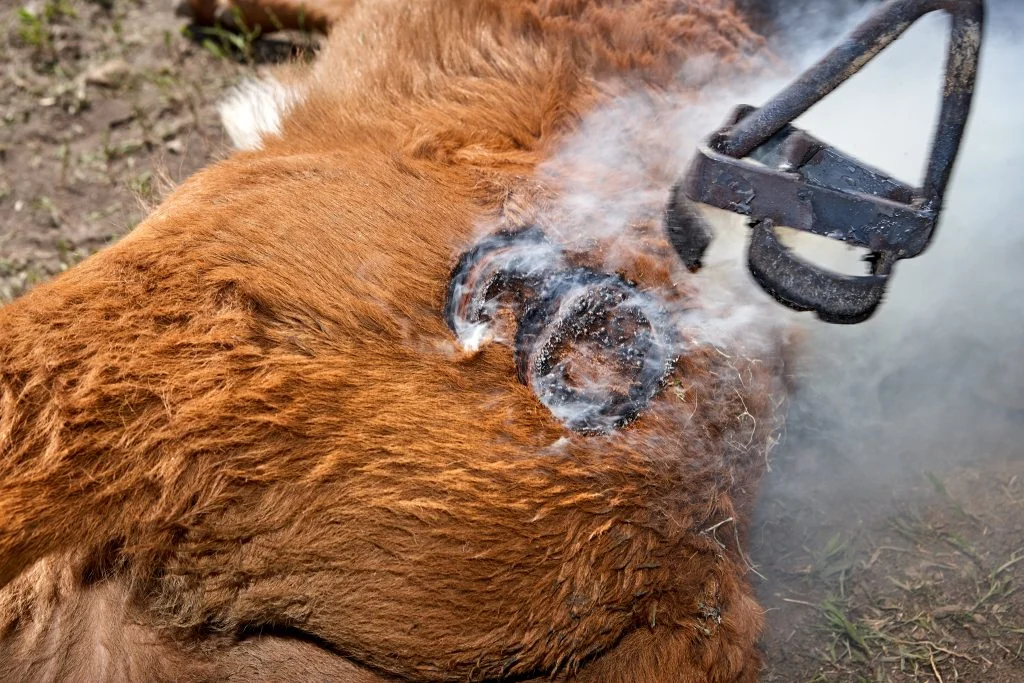 03 / BRANDING
Branding: Ownership Marked by Fire
To identify their animals and establish ownership, farmers often use hot-iron branding. This practice involves pressing heated metal instruments, sometimes reaching temperatures of approximately 950°F (510°C), against the animal's skin, leaving permanent scars.
Branding may be carried out on the same day as castration, subjecting calves to multiple painful procedures within a short period.
Despite the distress and suffering associated with these practices, pain relief is not routinely administered.
A permanent mark is burned into the animal's skin in the name of ownership.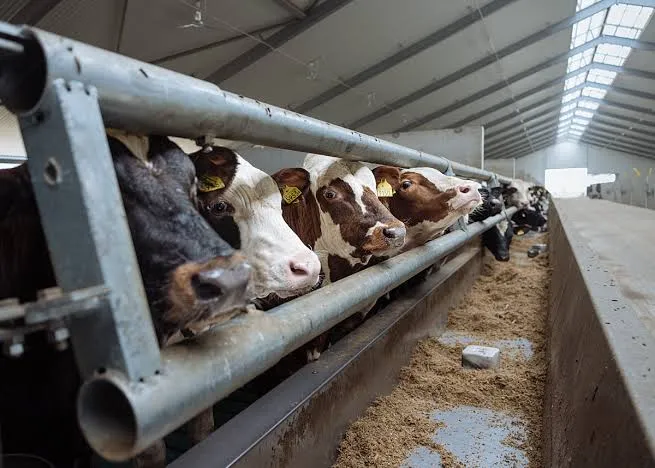 04 / INTENSIVE FATTENING
Artificial Fattening for Maximum Weight
At around six months to one year of age, cattle are commonly transferred from grazing land to feedlots, where the main objective is to increase their body weight as quickly as possible before slaughter.
Cattle are ruminants, with specialised, multi-chambered stomachs adapted to digest grasses and other fibrous vegetation through fermentation and repeated chewing.
However, the diet provided in intensive feedlots is often very different from their natural food. Instead of grazing, animals are typically given grain-based feed, particularly maize, alongside various supplements and, in some cases, antibiotics and other antimicrobial substances. Certain feed mixtures may even contain processed food waste and discarded confectionery products. This feeding system enables cattle to reach a slaughter weight of around 1,200 pounds (545 kg) in just six months.
Their natural diet is replaced by a feeding system designed for rapid weight gain.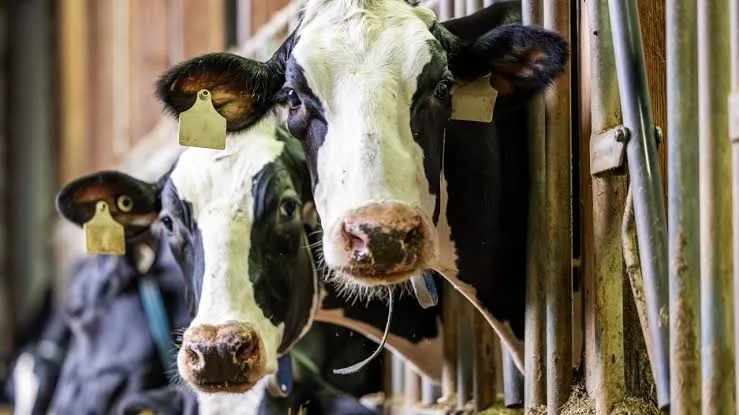 05 / FARMING CONDITIONS
Hidden Away from Public View
In the UK, beef cattle are raised under a variety of farming systems. Although many spend part of their lives grazing in open fields, others are kept indoors for extended periods, particularly during winter. Some animals are housed intensively throughout their lives, often in confined conditions where their movement and natural behaviour are restricted.
Calves may be moved between farms for rearing and fattening, sometimes travelling considerable distances before reaching their final destination. Transport, handling and unfamiliar surroundings can cause fear, stress and physical exhaustion.
For many people, the realities of modern beef production remain largely out of sight. Behind the familiar image of cattle grazing in green British fields lies another side of the industry: indoor housing, intensive fattening facilities and livestock transport journeys that most consumers rarely witness.
The reality of beef production is often hidden from public view.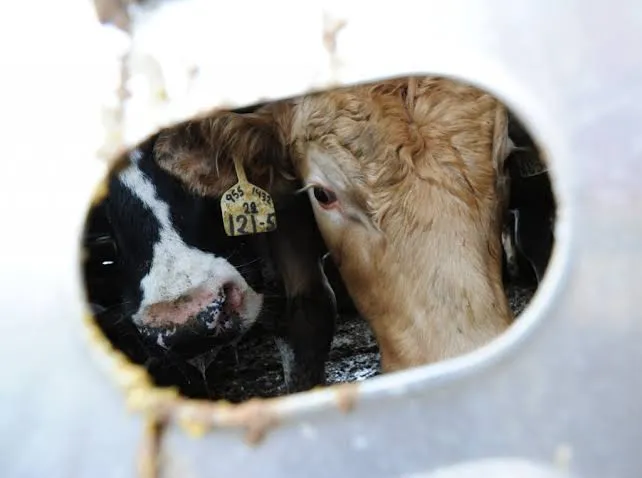 06 / TRANSPORT & SLAUGHTER
The Final Journey: Transport and Slaughter
Once cattle reach the required weight, usually before the age of three, they are transported by lorry to slaughterhouses.
In the UK, cattle are generally stunned before slaughter, most commonly using a captive-bolt device that delivers a forceful impact to the forehead, causing unconsciousness. The animal is then bled to death.
However, stunning is not always effective, and animals must be checked to ensure they remain unconscious until death. If stunning fails, they may experience pain and distress during the slaughter process.
Certain religious slaughter practices, including some halal and kosher methods, are also legally permitted without prior stunning under specific conditions.
For cattle raised for beef, the final journey ends at the slaughterhouse.Slide 1 of 6
How Cows Are Killed
The Hidden Cost of Meat, Milk and Leather
United Kingdom
2.8 million
cattle were slaughtered in the United Kingdom in 2022.
Global
308.6 million
cattle were slaughtered worldwide in 2022.
Two Different Realities
Two Very Different Lives
The same intelligent, social and emotionally complex animal. Two profoundly different realities. Discover the contrast between a cow's natural life and the conditions experienced by cattle raised for meat and dairy production.
A Natural Life
Freedom to Be a Cow
Grazing in open pastures, forming close social bonds, nurturing their young and enjoying the freedom to explore and express their natural behaviours.
Nature. Freedom. Connection.
Factory Farming
A Life of Production
Confinement, repeated pregnancies, separation from their calves and lives dictated by the demands of meat and dairy production.
Control. Confinement. Exploitation.


