


Why Farmed Animals?
Farm Animals Are Suffering in the Billions
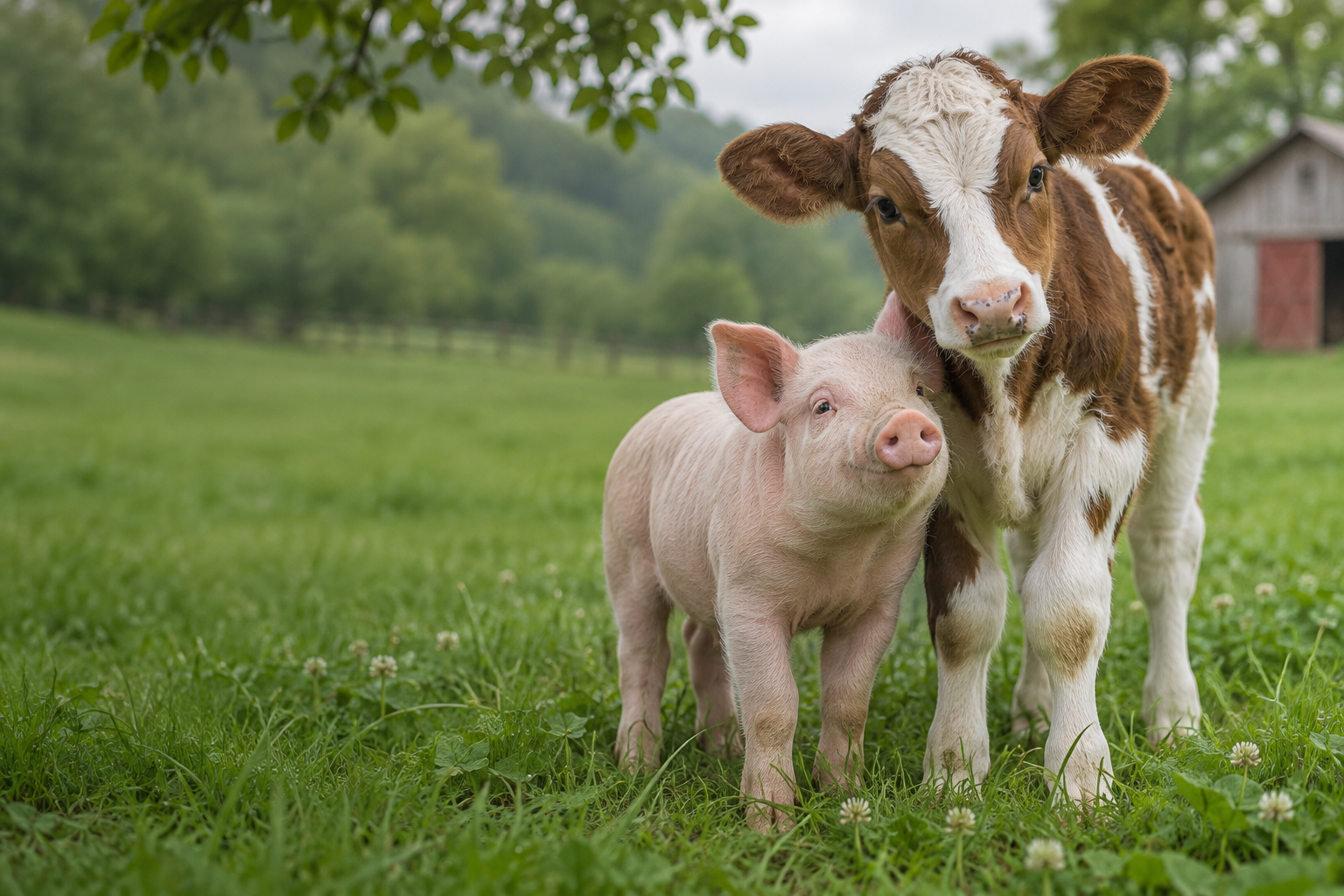
When we picture farms, we imagine red barns, green pastures, and animals roaming freely in the sunshine. It is an image rooted in tradition and childhood stories. But today, most farmed animals live very different lives.
Around 90 billion
land animals are slaughtered for food globally each year. The majority are raised in intensive farming systems, where crowded and stressful conditions often prevent animals from expressing their natural behaviours and living according to their needs.
Which Animals Are Farmed?
Millions of animals from different species are raised and exploited for food, clothing, labour, and other commercial purposes. Although their individual needs and natural behaviours differ, many face similar challenges in modern agricultural systems.
Why Farm Animals?
More Than an Animal Issue
Animal agriculture is not just an issue about how animals are treated. Its consequences extend far beyond farms and slaughterhouses, affecting our planet, human health, workers, and entire communities.
It Hurts Animals
Farmed animals can experience pain, fear, stress, and psychological distress. Intensive farming often restricts their movement, disrupts social relationships, and prevents them from expressing natural behaviours.
Many animals also experience painful procedures, early separation from their offspring, stressful transportation, and slaughter at a young age.
It Hurts Our Planet
Animal agriculture contributes to greenhouse gas emissions, deforestation, habitat destruction, water consumption, and biodiversity loss.
Livestock production generates methane and other greenhouse gases, while growing animal feed and expanding grazing land can place additional pressure on natural ecosystems.
Animal waste and agricultural runoff can also contribute to water pollution and environmental degradation.
It Hurts Workers and Communities
Industrial animal agriculture can expose workers to physically demanding conditions, occupational hazards, dangerous machinery, and psychological stress.
Communities living near large-scale animal farming operations may also experience air pollution, unpleasant odours, water contamination, and problems associated with managing large quantities of animal waste.
These issues raise important questions about workers' rights, environmental justice, and the unequal distribution of the costs of industrial farming.
It Hurts Our Health
Intensive animal farming raises several public health concerns, including the spread of infectious diseases, antimicrobial resistance, foodborne illnesses, and environmental contamination.
The inappropriate use of antibiotics in livestock production can contribute to antimicrobial resistance, making certain bacterial infections more difficult to treat.
The relationship between animal agriculture, food systems, and public health demonstrates why creating a healthier future requires looking beyond the farm itself.
Farmed Animals and Their Natural Behaviours
Farmed animals have evolved to engage in a wide range of natural behaviours that are essential to their physical health and psychological well-being.
These behaviours allow animals to explore their surroundings, find food, maintain social relationships, reproduce, and respond to their environment. However, intensive farming systems can restrict or prevent many of these activities.
Chickens
Chickens are highly social and behaviourally complex birds descended from the red junglefowl (Gallus gallus). Under natural conditions, they live in social groups with established dominance hierarchies, commonly known as pecking orders. They communicate through vocalisations, body language, and physical interactions, and can recognise familiar individuals within their group.
One of their most important natural behaviours is foraging. Chickens spend considerable time scratching the ground, pecking at soil, and searching for seeds, insects, and other food sources. They also perform dust bathing, an essential feather-maintenance behaviour in which they roll and move loose soil through their feathers. Additionally, hens naturally seek secluded nesting areas for laying eggs and elevated perches for resting and sleeping.
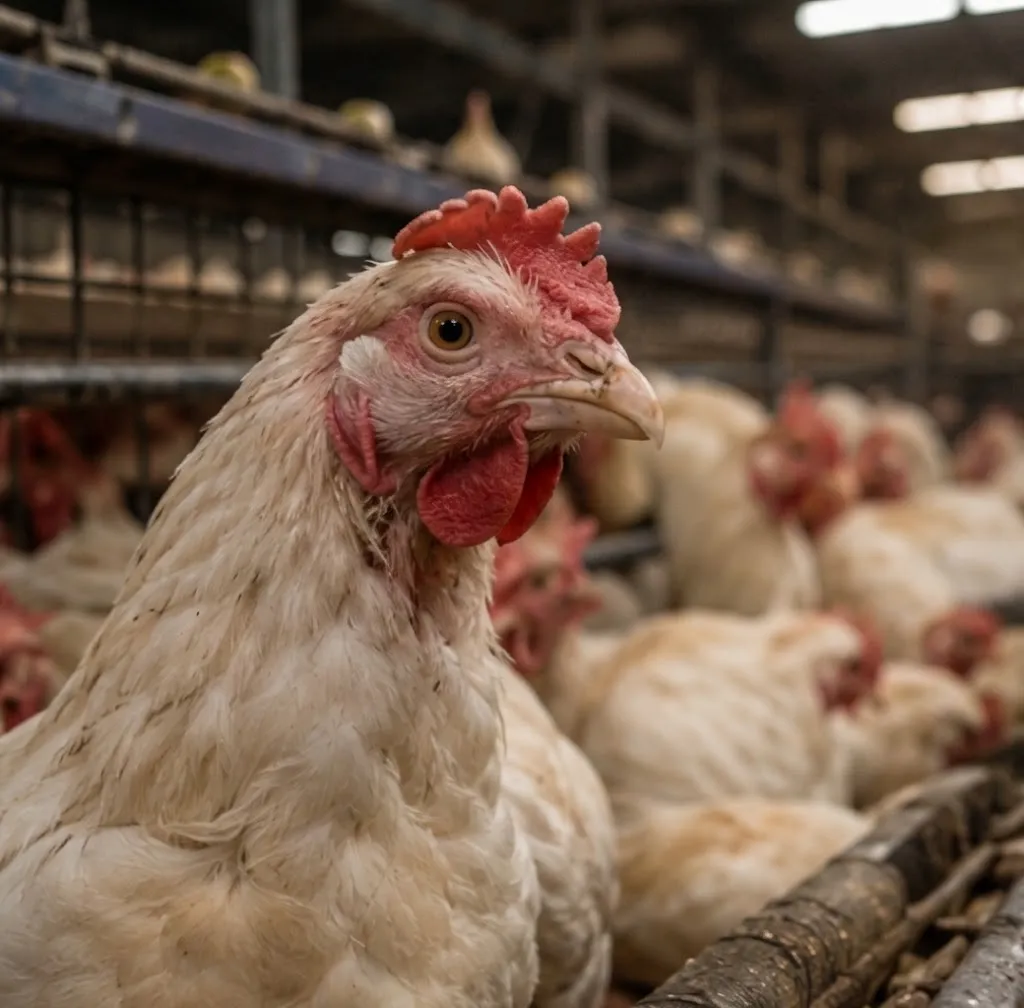
In intensive poultry farming, chickens are frequently kept in large indoor groups with limited access to natural environments. High stocking densities can restrict movement, foraging, dust bathing, and other important behaviours. Although some modern housing systems provide enrichment, the quality and availability of these resources vary considerably.
Selective breeding has also created major welfare challenges, particularly in broiler chickens. Genetic selection for extremely rapid growth and increased muscle development can cause skeletal abnormalities, lameness, cardiovascular problems, and reduced mobility. Some birds experience difficulty reaching food and water because their bodies develop faster than their supporting skeletal structures.
Cattle
Cattle are social ruminant mammals that naturally live in groups and establish long-lasting relationships with other members of their herd. They spend a significant portion of their day grazing, walking, resting, and ruminating. Rumination involves regurgitating partially digested food and chewing it again, a process that is essential for normal digestion and nutrient absorption.
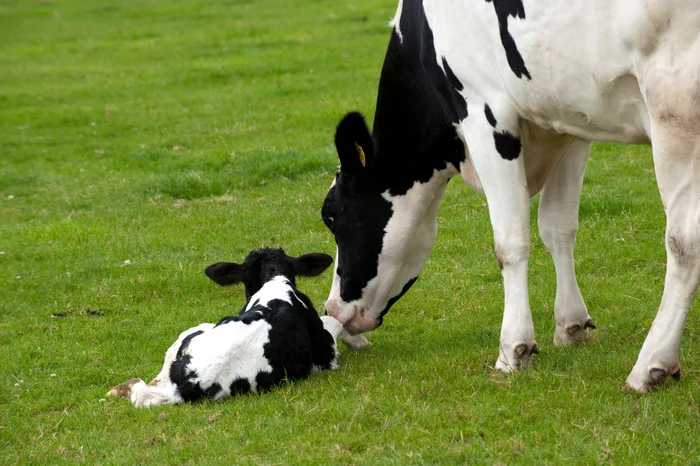
Natural cattle behaviour also includes social grooming, communication, and maternal care. Mother cows develop strong bonds with their calves through physical contact, licking, nursing, and vocal communication. Before giving birth, cows may seek secluded locations where they can deliver their calves in a relatively protected environment. These maternal relationships are biologically important for both mothers and offspring.
In intensive dairy farming, cows may spend much of their lives in indoor housing systems with limited access to pasture. Although some indoor systems provide comfortable resting areas and appropriate feeding facilities, restricted movement, unsuitable flooring, and overcrowding can increase the risk of lameness, injuries, and other health problems. Limited access to grazing also reduces opportunities to express natural feeding and exploratory behaviours.
Modern dairy cows have been selectively bred for high milk production. Producing large quantities of milk places considerable metabolic demands on their bodies and can increase the risk of mastitis, ketosis, reproductive disorders, and other metabolic conditions. Furthermore, calves are frequently separated from their mothers shortly after birth, which can cause behavioural stress, including increased vocalization and searching behaviour. Dairy cows are also repeatedly impregnated to maintain commercial milk production.
Ducks and Geese
Ducks and geese belong to the biological family Anatidae and are naturally adapted to both aquatic and terrestrial environments. They are social birds that communicate through vocalizations and body movements, often forming stable group relationships. Many species also establish pair bonds and demonstrate coordinated social behaviours.
Water plays an important role in the natural behaviour of many duck species. They engage in swimming, bathing, dabbling, and searching for food in aquatic environments. These activities support environmental exploration, feeding, and feather maintenance. Ducks and geese also spend considerable time preening, using their bills to clean and arrange their feathers. Geese, in particular, are adapted to grazing and naturally consume grasses, leaves, and other vegetation.
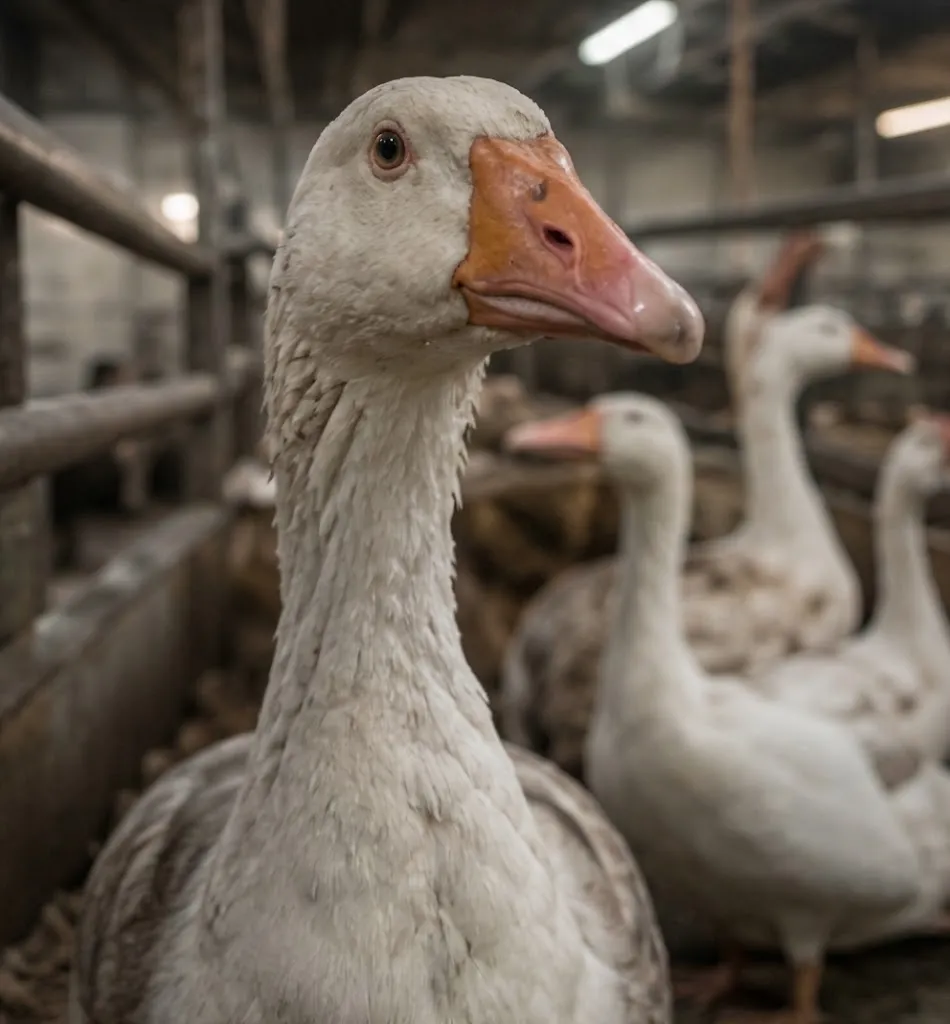
In intensive farming systems, ducks and geese may be kept in crowded indoor environments with limited access to suitable water facilities. Although drinking water is generally provided, some housing systems do not offer sufficient opportunities for swimming, bathing, and other water-related behaviours. Inadequate access to water can interfere with normal feather maintenance, cleaning, and environmental exploration.
Poor housing conditions and high stocking densities can contribute to injuries, feather damage, foot problems, stress, and reduced behavioural activity. In certain foie gras production systems, ducks and geese are also subjected to force-feeding, known as gavage. Food is delivered through a feeding tube to induce excessive fat accumulation in the liver, a process that raises serious concerns about physical discomfort, potential injuries, and animal suffering.
Goats
Goats are intelligent, curious, and highly adaptable ruminant mammals. Unlike cattle, which primarily graze on grass, goats are natural browsers and prefer a diverse diet consisting of leaves, shrubs, branches, herbs, and other vegetation. Their feeding behaviour involves selecting different plant species and exploring their surroundings to find suitable food sources.
Climbing and jumping are important parts of goat behaviour. They naturally explore elevated surfaces, rocky environments, and uneven terrain. These activities provide physical stimulation and allow them to investigate their surroundings. Goats are also highly social animals that form relationships within their groups. They communicate through vocalisations, body language, and physical interactions, and generally require opportunities for social contact and environmental exploration.
In intensive goat farming, animals may be kept in enclosed housing systems with limited access to outdoor environments, climbing structures, and diverse vegetation. These restrictions can prevent them from expressing important browsing, climbing, and exploratory behaviours. Inadequate housing and poor flooring conditions may also contribute to hoof problems, injuries, and discomfort.
Dairy goats are commonly bred and managed for high milk production. Similar to dairy cattle, repeated pregnancies and lactation place physiological demands on their bodies. Their offspring, known as kids, may be separated from their mothers shortly after birth in commercial dairy systems. In addition, procedures such as disbudding, which prevents horn development, may be performed and can cause pain if appropriate pain management is not provided.
Pigs
Pigs are highly intelligent, curious, and socially complex mammals. They have well-developed cognitive abilities, strong learning capacities, and an excellent sense of smell. Under natural conditions, pigs spend much of their time exploring their environment, searching for food, and interacting with other members of their social group. They can recognise familiar individuals and develop stable social relationships.
One of their most characteristic behaviours is rooting, which involves using their snouts to investigate and manipulate soil, leaves, and other environmental materials while searching for food. Pigs also naturally engage in wallowing in mud, which helps regulate their body temperature because they have relatively limited functional sweat glands. Pregnant sows demonstrate nesting behaviour before giving birth, collecting materials such as grass and leaves to create a suitable nesting area.
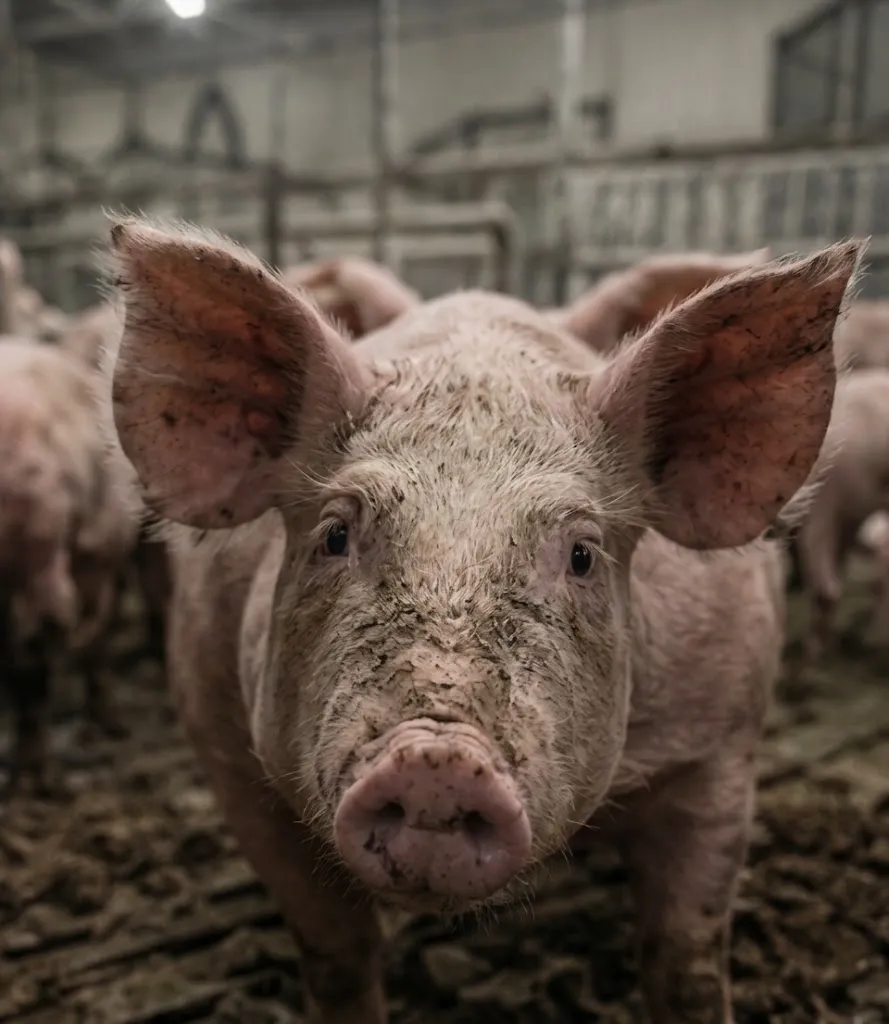
In intensive pig farming, animals are frequently kept in indoor pens with limited space and restricted access to outdoor environments. Concrete flooring and the absence of appropriate rooting materials can prevent pigs from performing important exploratory behaviours. These restrictions may contribute to frustration, abnormal behaviours, tail biting, and aggression, particularly when environmental enrichment is insufficient.
Reproductive management can create additional welfare concerns. In some intensive farming systems, pregnant sows are kept in gestation crates that severely restrict their movement and prevent them from turning around freely. Farrowing crates may also restrict maternal movement during nursing. Furthermore, piglets may undergo procedures such as tail docking and teeth reduction, which can cause pain and distress. Early separation from their mothers can also disrupt natural maternal and social relationships.
Turkeys
Turkeys are social and intelligent birds that naturally live in groups and demonstrate complex behaviours. Wild turkeys spend much of their day exploring woodland environments, searching for seeds, insects, berries, and other food sources. They establish social hierarchies, communicate through vocalisations, and maintain relationships with other members of their group. They are also capable of recognising familiar individuals and responding to changes in their social environment.
One of their most important natural behaviours is foraging. Turkeys use their feet and beaks to scratch the ground, investigate vegetation, and search for food. They also enjoy dust bathing, preening, and exploring different environments. At night, wild turkeys typically roost in trees, using elevated branches to rest and reduce their exposure to ground predators. These behaviours are important for their physical health and behavioural well-being.
In intensive turkey farming, large numbers of birds are commonly raised in enclosed buildings with limited access to outdoor environments. High stocking densities and restricted environmental enrichment can reduce opportunities for walking, foraging, dust bathing, and roosting. Poor litter conditions and inadequate housing management may also contribute to footpad dermatitis, respiratory problems, injuries, and other health concerns.
Selective breeding has significantly changed the physical characteristics of commercial meat turkeys. Modern broad-breasted varieties have been selected for rapid growth and increased breast muscle development. This can create serious physiological challenges, including skeletal disorders, leg weakness, cardiovascular problems, and reduced mobility. In some cases, their body proportions make natural mating difficult, leading to the widespread use of artificial insemination in commercial breeding systems.
Sheep and Lambs
Sheep are social ruminant mammals that naturally live in groups and demonstrate strong flocking behaviour. They have well-developed social recognition abilities and can distinguish between familiar and unfamiliar individuals. Maintaining close contact with their flock provides protection and reduces exposure to potential predators. Sheep are also capable of recognising individual faces, including those of other sheep and humans.
Grazing is one of their primary natural behaviours. Sheep spend several hours each day selecting and consuming grasses, herbs, and other vegetation. They require opportunities to move across different grazing areas, search for food, rest, and interact with other members of their flock. Mother sheep, known as ewes, develop strong bonds with their lambs. Following birth, ewes lick and groom their newborns, recognise them through smell and vocalisations, and encourage them to stand and suckle. Early maternal contact is important for the lamb's development, nutrition, and immune protection through colostrum.
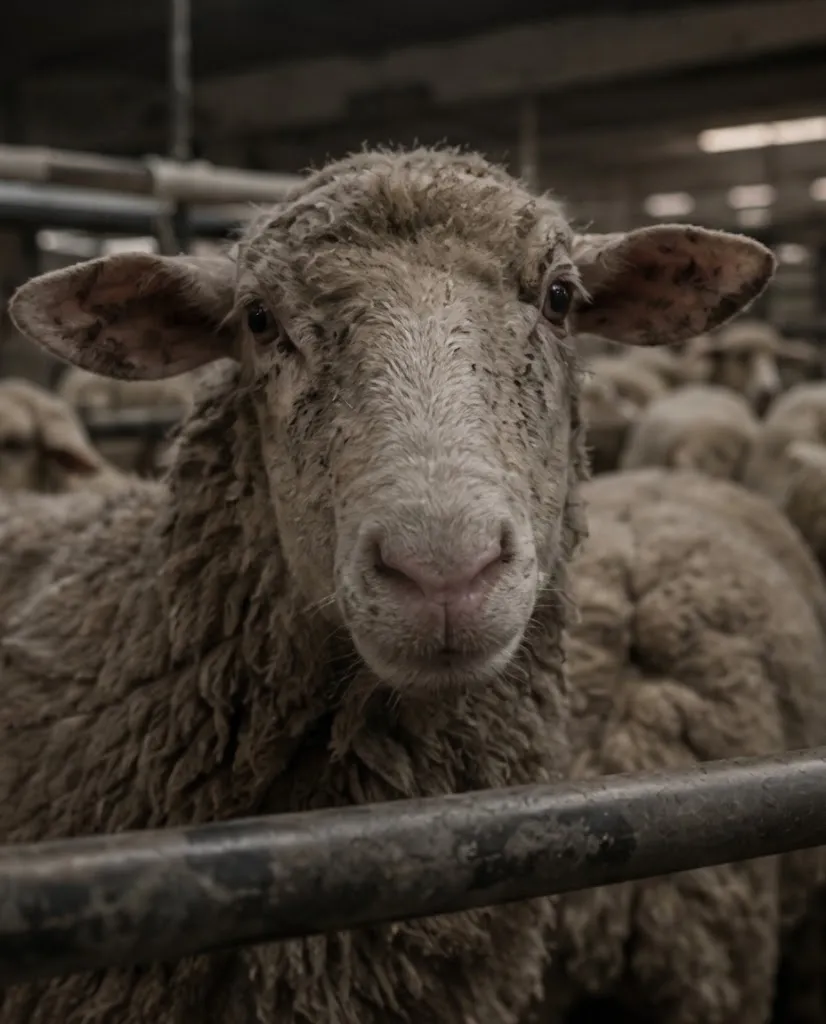
In intensive sheep farming, animals may be kept in confined indoor environments, particularly during winter, lambing, or periods of poor pasture availability. High stocking densities, unsuitable flooring, inadequate ventilation, and limited access to outdoor grazing can contribute to injuries, respiratory problems, parasitic infections, and stress. When environmental conditions are poor, sheep may also experience difficulties expressing normal grazing and social behaviours.
Commercial sheep production involves breeding animals for meat, milk, and wool. Selective breeding for increased wool production can create additional management requirements, including regular shearing. However, intensive selection for particular physical characteristics may also contribute to health problems. Other common welfare concerns include tail docking, castration, and mulesing in certain production systems. Mulesing involves removing strips of skin from around the sheep's breech area to reduce the risk of flystrike, but the procedure causes significant pain if performed without appropriate pain relief. Lambs may also be separated from their mothers at an early stage depending on the production system.
Honey Bees
Honey bees are highly social insects that live in organised colonies with complex communication systems and specialised social roles. A typical honey bee colony consists of a queen, thousands of worker bees, and, during certain periods, male bees known as drones. Each individual performs specific functions that contribute to the survival and development of the colony. Worker bees undertake activities such as nursing larvae, collecting nectar and pollen, producing wax, maintaining the hive, and defending the colony.
Foraging is one of the most important behaviours of honey bees. Worker bees visit flowering plants to collect nectar and pollen, which provide carbohydrates and proteins essential for colony nutrition. They also contribute to ecosystem functioning through pollination. Honey bees communicate the location of food sources through the waggle dance, a remarkable behaviour that conveys information about the direction and approximate distance of profitable feeding locations. Colonies naturally regulate temperature, protect their brood, store food, and maintain a complex internal social structure.
In commercial beekeeping, honey bees are commonly managed in artificial hives designed to facilitate colony inspection and honey collection. While well-managed artificial hives can provide suitable shelter and support colony survival, intensive commercial practices may involve frequent transportation, manipulation of colony structure, and repeated honey harvesting. Honey stores are often removed and replaced with sugar-based feeding solutions. Although supplementary feeding can help colonies during periods of food scarcity, it does not necessarily provide the full nutritional diversity of naturally collected nectar and pollen.
Queen management is another important aspect of commercial beekeeping. Queens may be selectively bred for desirable characteristics such as honey production, docility, disease resistance, and reduced swarming tendencies. Commercial beekeepers may also replace queens, split colonies, or control reproduction to manage productivity. Frequent colony movement for pollination services can expose bees to transportation stress, unfamiliar environments, and changes in available forage. Disease, parasites such as Varroa destructor, pesticide exposure, and nutritional deficiencies can further compromise colony health.
Horses
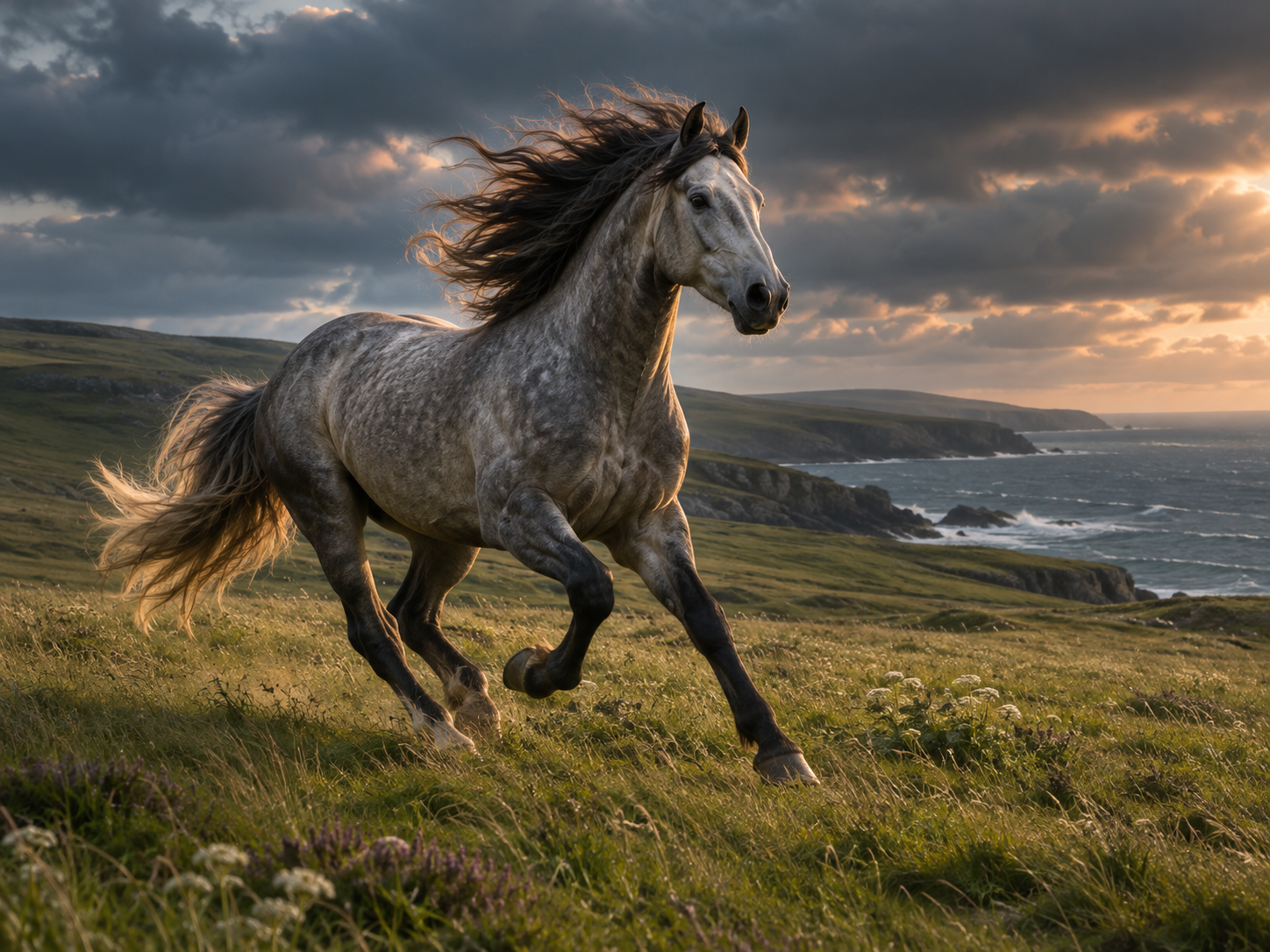
Horses are highly social, intelligent, and active animals that evolved to live in open grasslands and other expansive habitats. In natural conditions, they form stable social groups, usually consisting of several mares, their offspring, and one or more stallions. These groups provide protection and opportunities for social interaction. Horses communicate through body posture, facial expressions, vocalisations, and subtle movements of their ears and tails. They can recognise familiar individuals and develop strong social relationships.
A major part of a horse’s natural daily routine is grazing. Horses are adapted to eat small amounts of fibrous vegetation over many hours, rather than consuming large meals at infrequent intervals. They naturally spend a considerable proportion of the day moving while searching for food and water. Their digestive system is designed for a continuous intake of forage, and prolonged periods without access to suitable roughage can contribute to digestive and behavioural problems.
Movement is another essential part of equine behaviour. In open environments, horses walk, trot, canter, and occasionally gallop across large areas. They also explore their surroundings, investigate unfamiliar objects, roll on the ground, and seek shelter when necessary. Resting is important too: horses can sleep while standing, but they also need opportunities to lie down to achieve certain stages of sleep. Suitable, comfortable resting areas are therefore essential for their welfare.
Social contact and grooming are particularly important to horses. They often engage in mutual grooming, known as allogrooming, in which two individuals gently nibble and scratch each other, usually around the neck and withers. This behaviour helps maintain social bonds and can reduce tension. Foals also develop strong relationships with their mothers, remaining close to them during early development and gradually learning social and survival behaviours within the group.
Ostriches
Ostriches are the largest living birds and are naturally adapted to the open grasslands and semi-arid environments of Africa. They are terrestrial birds that rely on their strong legs for running and covering long distances. Unlike many other birds, ostriches cannot fly, but they are capable of reaching high running speeds. Their natural environment provides opportunities for walking, running, foraging, dust bathing, and interacting with other ostriches.
Ostriches are omnivorous animals whose diet includes grasses, seeds, leaves, flowers, insects, and occasionally small vertebrates. They spend considerable time searching for food across large areas. They also demonstrate social behaviours, including group movement, communication, and courtship displays. During the breeding season, males establish territories and participate in elaborate courtship rituals. Females lay eggs in communal or shared nesting sites, depending on the social structure and environmental conditions.
In commercial ostrich farming, birds are raised primarily for meat, leather, feathers, and eggs. Although ostriches are generally kept in outdoor enclosures rather than conventional poultry buildings, inadequate enclosure size and unsuitable ground conditions can restrict their natural movement. Limited space may prevent running and normal exploratory behaviour. Poorly designed fencing and handling facilities can also cause injuries because ostriches are powerful animals that may react strongly to unfamiliar situations.
Rabbits
Rabbits are highly social and behaviourally complex mammals that naturally inhabit grasslands, woodland edges, and other environments where vegetation and suitable digging areas are available. European wild rabbits (Oryctolagus cuniculus) live in underground burrow systems known as warrens. These burrows provide protection from predators, shelter from extreme temperatures, and safe locations for resting and raising offspring. Rabbits establish social relationships and communicate through body posture, scent marking, and vocalisations.
One of their most important natural behaviours is grazing and foraging. Rabbits are herbivores with a digestive system adapted to consuming large quantities of fibrous vegetation, particularly grasses and other plant materials. They require constant opportunities to chew, as their teeth grow continuously throughout their lives. They also perform digging, running, jumping, hiding, grooming, and social interactions. These behaviours are important for maintaining dental health, physical fitness, and psychological well-being.
In intensive rabbit farming, animals may be kept in small cages or restricted indoor enclosures with limited opportunities to move, jump, stand upright, dig, or hide. Wire flooring and insufficient resting surfaces can contribute to foot injuries and pressure sores. Limited environmental stimulation may also lead to abnormal repetitive behaviours, inactivity, and frustration. Even when food and water are provided, restricted space can prevent rabbits from expressing many of their essential behavioural needs.
Commercial rabbit production is primarily associated with meat, fur, and breeding industries. Female rabbits, known as does, may be repeatedly bred to maintain high reproductive output. Pregnant does naturally demonstrate nest-building behaviour, using vegetation and pulling fur from their bodies to prepare a protected area for their offspring. However, inadequate nesting facilities and restrictive housing can interfere with these behaviours. Young rabbits may also be weaned and separated from their mothers according to commercial production schedules, which can affect their social and nutritional development.
Recognising these behaviours is essential to understanding that farmed animals have individual needs that go far beyond the basic requirements of commercial production.


