
Plant-based protein sources are foods that deliver the essential amino acids your body needs for muscle repair, immune function, and cellular health without relying on animal products. The category spans legumes like lentils and chickpeas, soy products like tofu and tempeh, nuts, seeds, and whole grains including quinoa and oats. Understanding plant-based protein sources explained through the lens of both nutrition science and real-world eating makes the difference between a diet that works and one that falls short. The good news: variety, not perfection, is the governing principle.
What are the common types of plant-based protein sources?
The best plant-based proteins fall into four broad categories, each with distinct protein densities and nutritional profiles worth knowing before you plan a single meal.
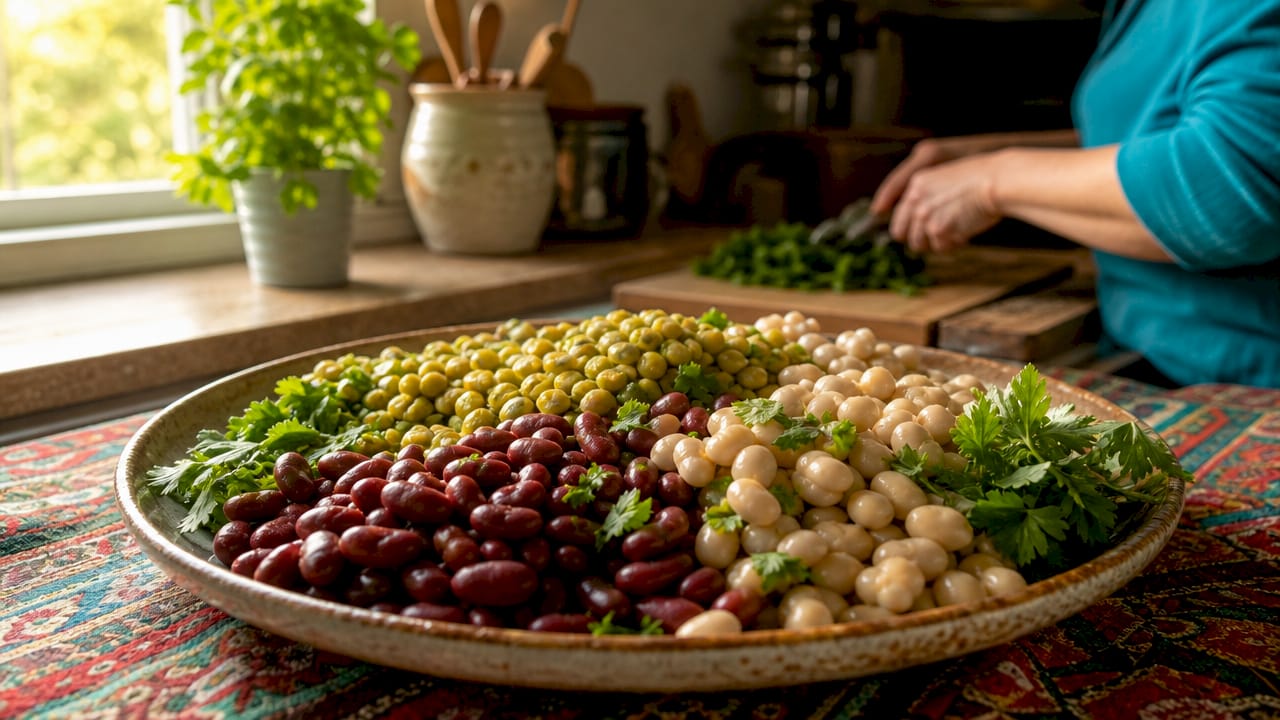
Legumes are the workhorse of plant protein. Cooked beans and lentils deliver , making them one of the most cost-effective protein sources on the planet. Black beans, kidney beans, chickpeas, and green lentils all fall here. A cup of cooked lentils clocks in around 18 grams of protein, which rivals a small chicken breast by weight.
Soy products are the densest plant proteins available. Tofu provides roughly 22 grams per half cup, while tempeh delivers about 15 grams per 3 ounces. Edamame, the whole soybean, offers around 17 grams per cup. Soy is also one of the few plant proteins classified as complete, meaning it contains all nine essential amino acids in meaningful amounts.
Nuts and seeds add protein alongside healthy fats. Hemp seeds stand out at roughly 10 grams per 3 tablespoons. Pumpkin seeds, almonds, and peanuts each contribute 6 to 9 grams per ounce or two-tablespoon serving. These are not primary protein sources by volume, but they add up fast when sprinkled across meals throughout the day.
Whole grains and pseudocereals round out the category. Quinoa and buckwheat are pseudocereals that contain all essential amino acids. Oats provide about 6 grams per half cup dry. These grains contribute meaningfully to daily totals, especially when combined with legumes.
| Source | Serving size | Approx. protein |
|---|---|---|
| Tofu | ½ cup | ~22g |
| Tempeh | 3 oz | ~15g |
| Cooked lentils | ½ cup | ~9g |
| Cooked black beans | ½ cup | ~7g |
| Hemp seeds | 3 tbsp | ~10g |
| Quinoa (cooked) | 1 cup | ~8g |
| Almonds | 1 oz | ~6g |
Pro Tip: Rotate your legume choices weekly. Lentils, chickpeas, and black beans each have slightly different amino acid profiles, so rotating them naturally widens your nutritional coverage without any tracking required.
Are plant-based proteins complete, and how do you get all amino acids?
A complete protein contains all nine essential amino acids your body cannot produce on its own. Most plant proteins are incomplete, meaning they are low in one or more of these amino acids. This fact is real but far less limiting than it sounds.
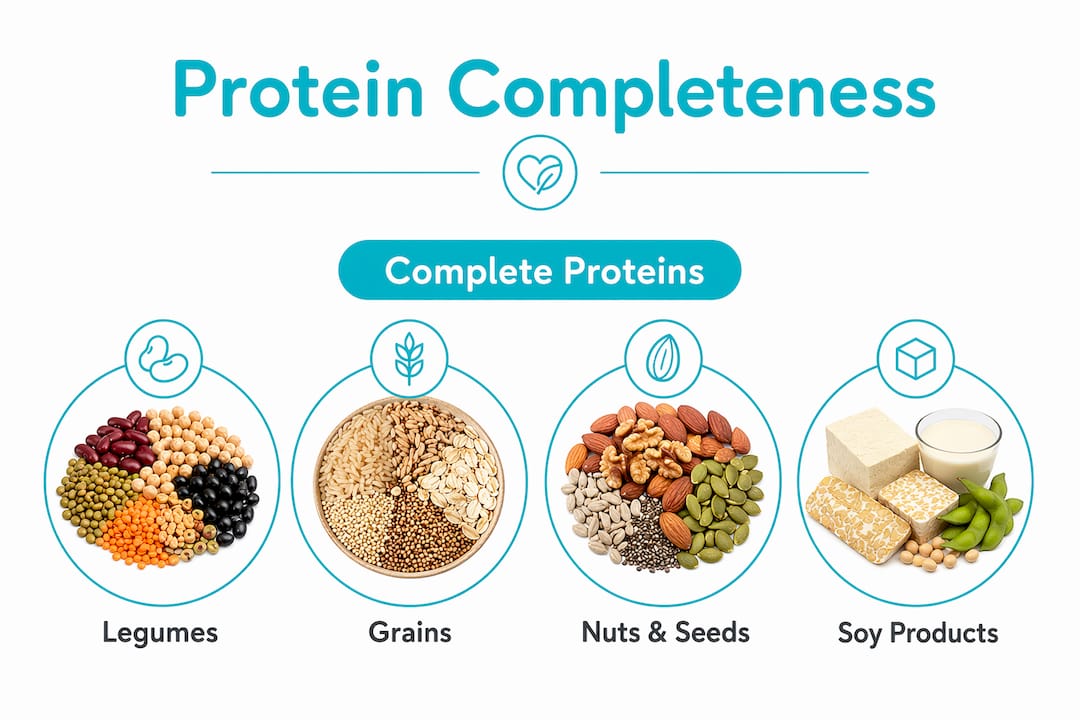
The concept of complementary proteins solves the problem. across the day supply all essential amino acids your body needs. Rice and beans is the textbook example, but the same principle applies to oatmeal with peanut butter, hummus on whole wheat pita, or a lentil soup served with barley bread. You do not need to combine these foods in the same meal. The body maintains an amino acid pool over 24 hours, not meal by meal.
The more nuanced challenge is leucine. Leucine is the amino acid that triggers muscle protein synthesis, and plant proteins tend to contain less of it per gram than animal proteins. when intake and blending are optimized, but this often means eating larger servings or blending sources. For muscle building specifically, achieving roughly 2.5 grams of leucine per meal may require combining soy protein with pea protein, or eating a larger portion of tempeh than you would a comparable serving of chicken.
Digestibility is the other variable. Plant proteins are generally less digestible than animal proteins because of fiber and antinutrients like phytates. Cooking, soaking, fermenting, and sprouting all improve digestibility significantly. Tempeh, for instance, is fermented soy, which is why it digests more easily than raw soybeans.
Here is a practical framework for hitting your amino acid targets:
- Build at least one meal around a legume source (lentils, chickpeas, edamame, or tofu).
- Pair grains with legumes at some point during the day, not necessarily in the same meal.
- Add hemp seeds, pumpkin seeds, or soy to snacks to increase leucine density.
- If you are training for muscle gain, prioritize tempeh, tofu, and edamame as your primary protein sources.
- Soak dried beans overnight and cook them thoroughly to reduce antinutrients and improve protein absorption.
Pro Tip: If you are plant-based and focused on muscle gain, blending pea protein with rice protein in a shake gives you a leucine profile that closely mirrors whey. This is the approach many plant-based athletes use during high-volume training blocks.
What are the health and environmental benefits of plant protein?
The are multifactorial, driven by the synergistic effects of fiber, phytochemicals, and healthy fats present in whole plant foods. Protein is only part of the story. When you eat lentils, you also get soluble fiber that lowers LDL cholesterol, polyphenols that reduce inflammation, and resistant starch that feeds beneficial gut bacteria. No animal protein source delivers that combination.
The cardiometabolic evidence is strong. Replacing red and processed meat with legumes, nuts, and soy is associated with lower blood pressure, reduced LDL cholesterol, and a meaningfully lower risk of type 2 diabetes. The American Heart Association recommends with plant proteins as a practical strategy to improve fiber intake and heart health without requiring an overnight dietary overhaul.
The environmental case is equally compelling. can reduce food system greenhouse gas emissions by 49 to 63 percent. That figure represents the single largest dietary lever available to individuals who want to reduce their ecological footprint. Legumes also fix nitrogen in soil, reducing the need for synthetic fertilizers, which makes them a net positive for agricultural land health. You can read more about the environmental pressure from animal agriculture and why plant proteins matter beyond the plate.
“Plant proteins offer superior cardiometabolic and environmental benefits, while the food matrix of whole plant foods, including fibers and phytochemicals, enhances metabolic health well beyond protein alone.” — Sustaining Muscle, Cardiovascular Health, and the Environment
One caution worth naming: meets recommended vegetable intake, and even fewer consume enough legumes, nuts, or seeds daily. This gap is not about access to information. It is about practical habits, which is exactly where the next section focuses.
How can you incorporate plant proteins into your daily diet?
Practical adoption is where most people stall. The barrier is rarely knowledge. It is habit, convenience, and the assumption that plant-based eating requires elaborate cooking. None of that is true.
Start with substitution rather than reinvention. Swap ground beef in tacos for seasoned black beans or lentils. Replace chicken in a stir-fry with cubed firm tofu or tempeh. Use hummus as a sandwich spread instead of deli meat. These are not sacrifices. They are lateral moves that cut saturated fat and add fiber without requiring a new recipe from scratch.
Spread protein across the day deliberately. Most adults absorb 25 to 40 grams of protein at a time, so front-loading all your protein into one meal wastes the excess. A breakfast of oatmeal with hemp seeds and peanut butter, a lunch built around a lentil salad, and a dinner featuring tofu or tempeh distributes intake evenly and keeps amino acid pools topped up throughout the day.
Use whole foods as your foundation. can be high in sodium and saturated fats, which undercuts the health advantages you are trying to gain. Products like Beyond Burger and Impossible Burger have their place as transition tools, but they should not be your primary protein strategy. Tempeh, edamame, canned beans, and lentils are cheaper, less processed, and nutritionally superior.
For snacks, keep roasted chickpeas, mixed nuts, or edamame on hand. A quarter cup of pumpkin seeds with an apple delivers around 9 grams of protein and takes zero preparation. These small additions compound across a week into a meaningfully higher protein intake.
Pro Tip: Batch-cook a large pot of lentils or chickpeas on Sunday. Store them in the fridge and add them to salads, soups, grain bowls, and wraps throughout the week. This single habit removes the biggest friction point in plant-based eating: the time cost of cooking from scratch every day.
Key takeaways
Plant-based protein sources provide complete nutrition when consumed in variety across the day, with legumes, soy, nuts, seeds, and whole grains each contributing distinct amino acids and health benefits.
| Point | Details |
|---|---|
| Soy leads in protein density | Tofu and tempeh deliver the highest protein per serving among plant foods and are nutritionally complete. |
| Variety replaces completeness | Combining grains and legumes across the day covers all essential amino acids without needing perfect meals. |
| Whole foods outperform substitutes | Lentils, chickpeas, and tempeh offer more nutritional value than processed plant meat alternatives. |
| Environmental impact is significant | Shifting to plant proteins can cut food system greenhouse gas emissions by up to 63 percent. |
| Gradual change is sustainable | Replacing one meat-based meal per day with a plant protein source is a proven starting point. |
What I have learned from watching the plant protein conversation evolve
I have followed nutrition research on plant proteins for years, and the most striking shift is not in the science. It is in who is asking the questions. Athletes, older adults, and people managing chronic conditions are all now looking seriously at plant-based protein options in ways that felt niche five years ago.
What I find underappreciated in most coverage is the older adult angle. Plant proteins’ cardiometabolic advantages are real and well-documented, but older adults have higher anabolic resistance, meaning their muscles respond less efficiently to protein signals. For someone over 65, relying entirely on lower-leucine plant proteins without attention to total intake and meal distribution is a genuine risk. This does not mean plant-based eating is wrong for older adults. It means it requires more deliberate planning, not less.
The processed alternative trap also concerns me more than most writers admit. The marketing around products like Impossible and Beyond has been extraordinarily effective, and many people genuinely believe they are eating healthier by switching to these products. Sometimes they are. Often they are not. Sodium levels in some plant-based burgers rival fast food. The health benefits of plant-based diets come from the food matrix of whole plants, not from a reformulated patty.
My honest position: the shift toward plant proteins is one of the most important nutritional and environmental moves available to individuals right now. But it works best when it is built on whole foods, informed by real protein targets, and approached as a gradual transition rather than an identity statement.
— Ali
Start your plant-based journey with Huf
Huf exists to give you the evidence and tools to make this shift without guesswork. Whether you are just starting to explore plant-based eating or looking to deepen your understanding of how food choices connect to health and the planet, the resources here are built for you. The complete guide to going vegan covers everything from protein planning to practical meal strategies, written for real people making real changes. If you want to understand the full picture of what plant-based eating does for your body, the plant-based health benefits page lays out the science clearly. For the environmental side of the equation, Huf’s sustainable living guide connects your plate to the planet in concrete terms.
FAQ
What are the highest protein plant foods?
Tofu, tempeh, edamame, lentils, and hemp seeds are the highest protein plant foods by serving size. Tofu delivers roughly 22 grams per half cup, making it the densest whole-food plant protein available.
Do plant-based proteins provide all essential amino acids?
Most plant proteins are incomplete individually, but eating a variety of legumes, grains, nuts, and seeds across the day covers all nine essential amino acids. Soy and quinoa are exceptions, as both are nutritionally complete on their own.
How much plant protein do you need per day?
General recommendations suggest 0.8 grams of protein per kilogram of body weight for sedentary adults, with higher targets for athletes and older adults. Most adults absorb 25 to 40 grams per meal, so spreading intake across three meals is more effective than concentrating it in one.
Is plant protein good for building muscle?
Plant proteins can support muscle growth when intake is sufficient and sources are blended to optimize leucine content. Combining soy protein with pea or rice protein improves the leucine profile needed to trigger muscle protein synthesis effectively.
Are processed plant-based meats healthy?
Processed plant-based meat alternatives can be high in sodium and saturated fats, which reduces their health advantage over whole food sources. Whole plant proteins like lentils, chickpeas, and tempeh deliver superior nutritional value and are the better default choice.