
Suffering in
the Dairy Industry
How Dairy Cows Are Farmed and Killed
One of the most common misconceptions about dairy farming concerns how cows produce milk. Many people are unaware that, like humans, cows must become pregnant and give birth to initiate milk production. In modern, high-yield dairy systems, cows are typically required to give birth approximately once a year to maintain a consistent milk supply and meet production demands.
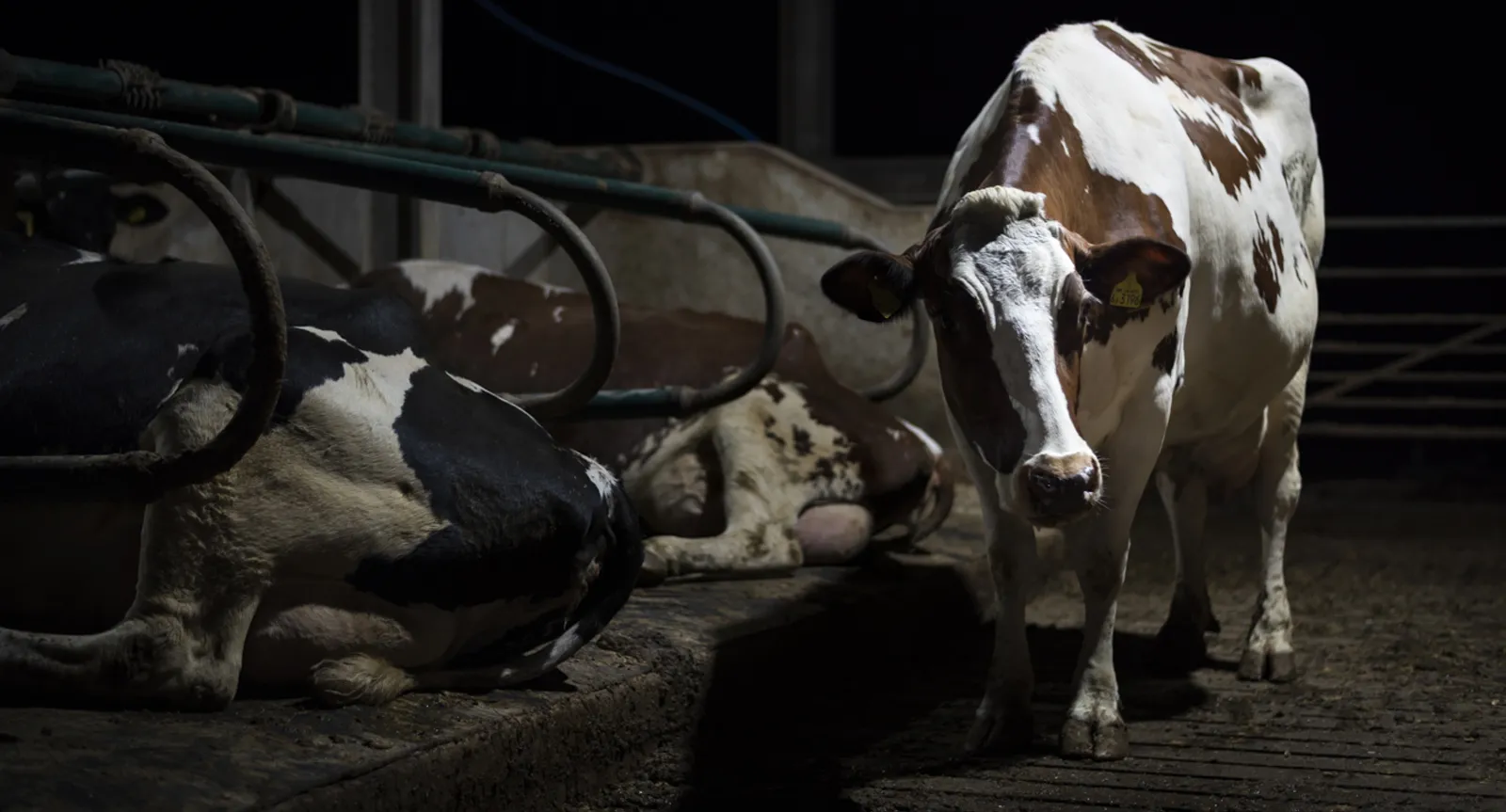
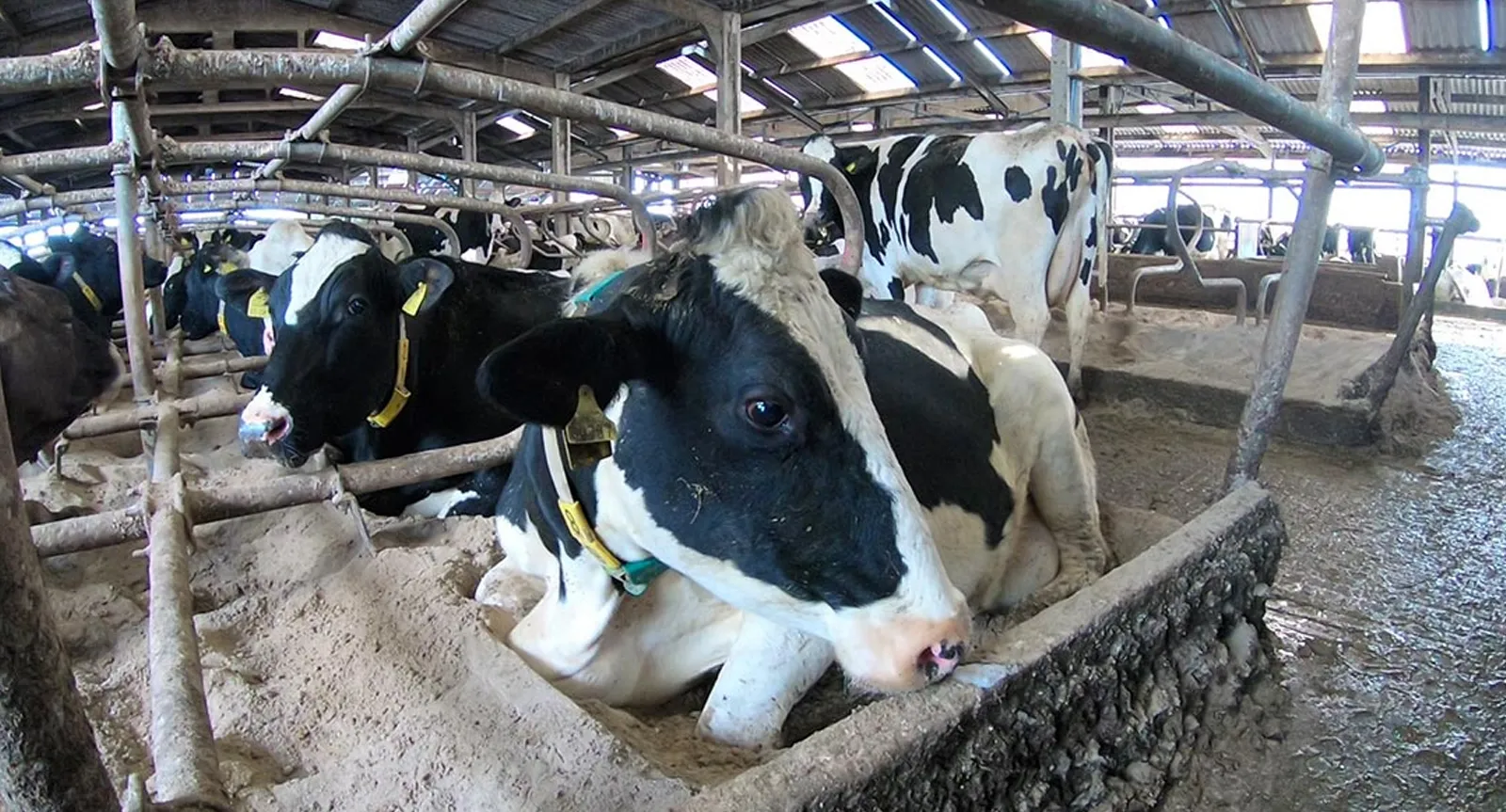
What would cereal be without milk, or pizza without cheese? Perhaps meals that involve far less cruelty. Behind dairy products, which have long been a staple of everyday diets, lies a troubling reality. Cows on factory farms spend most of their lives standing or lying down in filthy, overcrowded pens, where even walking a short distance can be difficult.
What the Milk Carton
Does Not Tell You.
Milk is often seen as a simple, everyday product, but few people stop to consider the lives of the animals behind it. Behind each carton is a living being with her own needs, instincts, and capacity to form bonds. To understand the reality of dairy farming, we must look beyond the finished product and acknowledge the animals whose lives are shaped by the industry.
01
Motherhood Interrupted
Calves are separated from their mothers, often shortly after birth, in many conventional dairy systems.
02
Repeated Pregnancies
Dairy cows are bred repeatedly to maintain the reproductive cycle that sustains milk production.
03
Industrial Milk Production
Their bodies are managed around regular milk extraction, feeding, breeding and production targets.
04
An Industrial End
When cows are no longer economically productive, they are commonly sent to slaughter.
The Reproductive Cycle
Behind Every Dairy Herd.
Like humans, cows only produce milk after pregnancy and birth. Dairy farming depends on repeated impregnation so that cows continue lactating and producing milk for sale.
Artificial Insemination
Semen is collected from bulls, processed, stored frozen, and introduced into the cow’s reproductive tract by a technician. The procedure is performed to control genetics and timing of pregnancy across the herd.
Repeated Pregnancy
Breeding schedules are organised around milk production targets and reproductive performance. A cow must become pregnant again to start the next lactation cycle, keeping her producing milk year after year.
Pregnancy and Milk Production
Lactation, conception, pregnancy, and the next birth overlap within the production cycle. A cow may be milked for months while carrying her next calf, placing simultaneous demands on her body.
Reproductive Management
Veterinary examinations, hormone treatments where applicable, pregnancy monitoring, and breeding decisions are routine. Reproduction is managed with the efficiency of a production system.
The Cow as a Production Unit
The ethical implications of controlling an animal’s reproductive life for commercial output raise questions about bodily autonomy, the intensity of breeding pressure, and the welfare conditions under which these procedures occur.
The Maternal Instinct of Cows
Cows are deeply social animals that form lasting relationships within their herds, often maintaining close bonds across generations. Like humans, mother cows show strong protective instincts and deep care for their young. They often seek a secluded spot to give birth, keeping their newborn hidden in tall grass during the first few days before introducing the calf to the rest of the herd. Once introduced, the calf becomes part of the herd’s social circle. Female calves typically nurse for around nine months and can maintain close bonds with their mothers throughout their lives. Male calves may nurse for about a year before gradually leaving to join groups of other males.
A Bond Broken at the Beginning of Life.
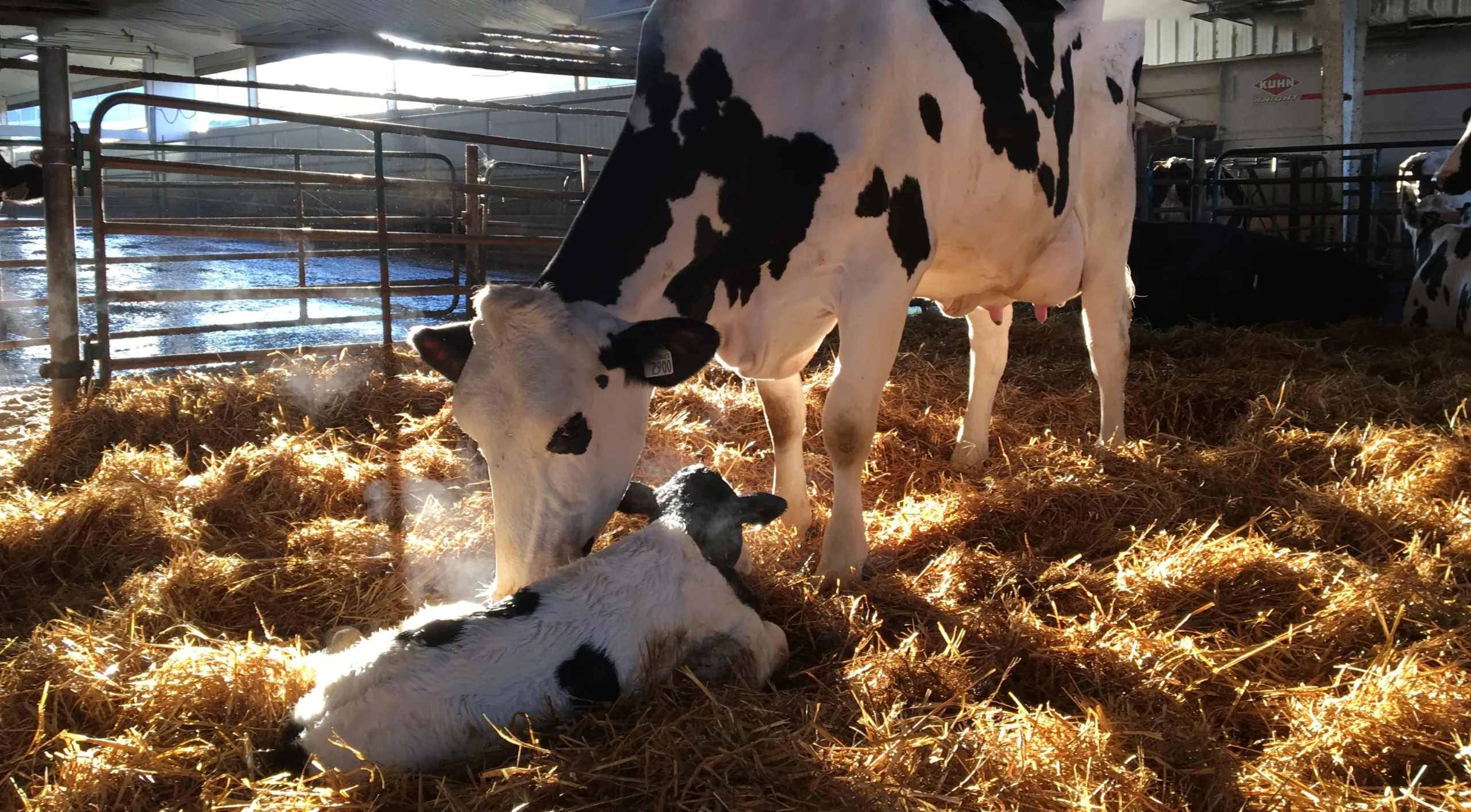
Cows are deeply maternal animals. After giving birth, a mother will lick her newborn clean, nuzzle it, and guide it to nurse. She protects her calf, keeps it close, and develops a bond that — left undisturbed — can last a lifetime. Understanding this bond makes the reality of separation impossible to ignore.
“She is a mother.
Before she is a milk producer.”
The First Hours of Life
Colostrum and early care
After birth, a calf receives colostrum — the first milk rich in antibodies — within the first few hours. This early care is critical for the calf’s immune system and survival. In nature, the mother would lick her newborn dry, nurse it, and keep it close.
Separation
Mother and calf parted
In many conventional dairy systems, calves are removed from their mothers within hours or days of birth. Some farms practice extended cow-calf contact, but early separation remains standard in much of the industrial dairy sector. The timing and method vary by country, system, and farm.
A Mother's Response
Signs of distress
Research documents vocalisation, increased movement, searching behaviour, and signs of restlessness in cows following separation. These responses can persist for days, suggesting a significant emotional and physiological reaction to the loss of their calf.
A Calf's Loss
Life without maternal contact
The calf loses direct maternal contact, nursing, and the opportunity to remain with its mother. Studies indicate that calves separated early may show altered behaviour compared to those allowed extended maternal contact.
The Human Cost of a Commodity
Production over the mother-calf bond
The commercial value of milk determines how the mother and her newborn are managed. The economic logic of production drives the decision to separate — not the welfare of the cow or her calf.
A Future Decided for Them
For every calf born, the industry has a different plan. Male calves are often directed towards meat production or face an uncertain fate when raising them is not economically worthwhile. Female calves are generally raised to become the next generation of milk-producing cows, entering a cycle of breeding, pregnancy, birth and lactation. Neither chooses the path ahead.
Their fate is determined by the
economics of dairy production.
Male calves cannot grow up to produce milk, but they are still born as a result of the industry breeding cycle. Their commercial value and treatment depend on the breed, region, market and farm.
The First Days
A newborn calf needs colostrum, warmth, nourishment and protection. Yet the first days of life can bring abrupt separation from their mother, unfamiliar surroundings, handling and ear tagging. Some calves are transported while still very young, exposing them to stress, hunger, temperature changes and contact with unfamiliar animals. Instead of remaining with their mothers, they enter a rearing system designed around production costs and commercial demands.
Veal Production
In veal production systems, male dairy calves are raised to become meat. Depending on the country and farming system, they can spend their early lives in individual or group housing, with limited space and opportunities to express natural behaviours. Their diets, growth rates and living conditions are shaped by the requirements of meat production. A life that has only just begun becomes a period of rearing for slaughter.
Beef Production
Some male dairy calves are raised for beef, while others are crossed with beef breeds to produce animals with greater commercial value. Their development is measured by growth, carcass yield and market demand. They are fed and managed to become profitable meat animals, with their eventual slaughter built into the production chain. Their lives are valued according to the meat they can produce.
Transport and Handling
Young calves can face stressful journeys to livestock markets, rearing facilities or slaughter-related destinations. Separation from familiar animals, loading and unloading, unfamiliar handlers, temperature changes and prolonged transport can compromise their welfare. Because young calves are still developing physically and immunologically, they are particularly vulnerable to dehydration, exhaustion, illness and stress during these journeys.
A Life Valued by Market Demand
A male calf's future is often determined by his economic value. Breed, age, health, local demand and the cost of rearing influence whether he is raised for veal, enters beef production, is sold or is killed early. His needs and capacity to experience comfort, fear and distress remain the same, regardless of his market price. Yet in a system driven by dairy production, his chance of survival and the conditions of his life can depend on whether keeping him is commercially worthwhile.
From newborn calf to future milk producer.
Female calves are generally raised to replace or expand the dairy herd, rather than remaining with their mothers. Their path from newborn to milking cow follows a managed trajectory shaped by the same production logic.
Raised Without Their Mothers
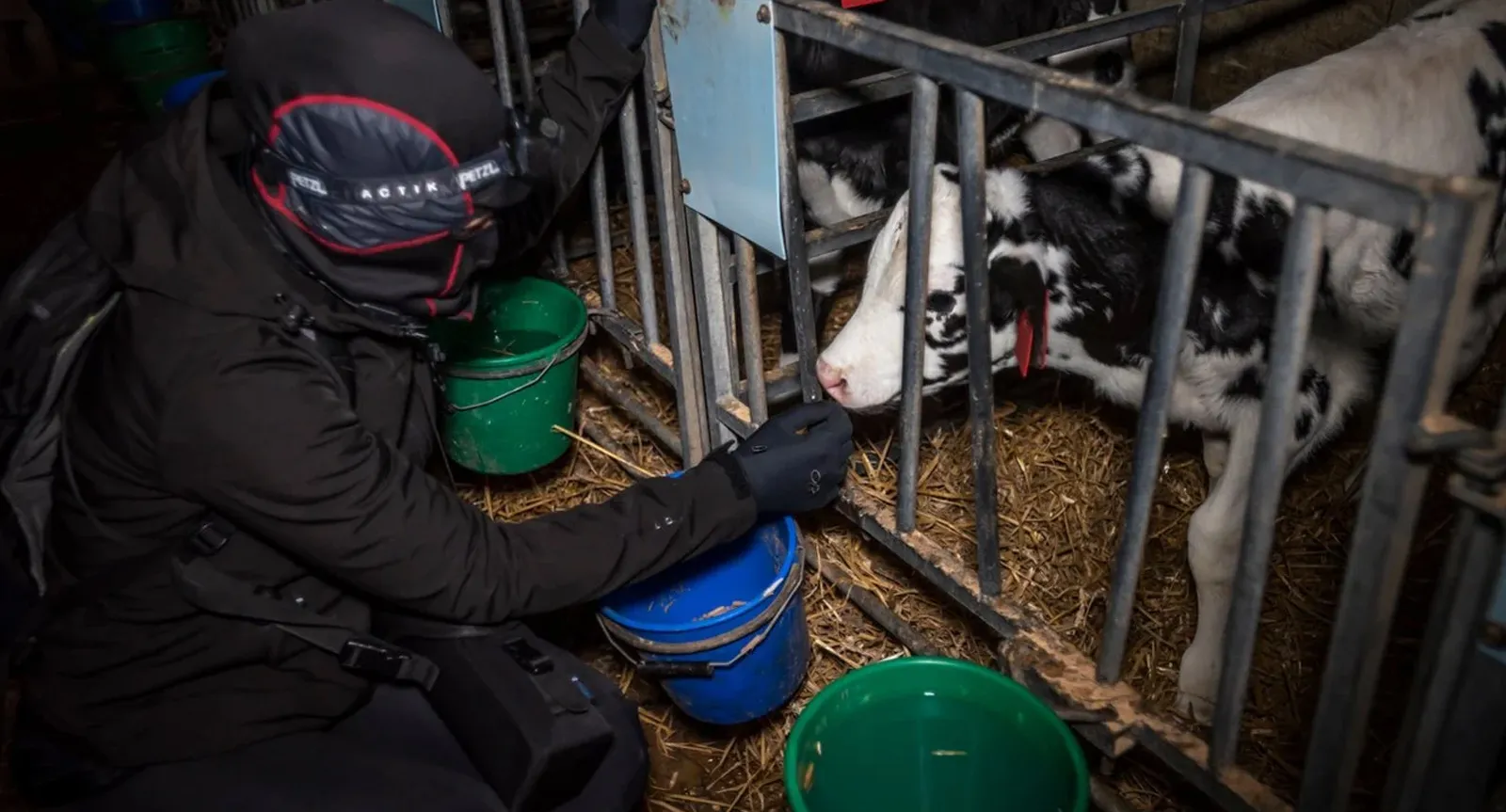
Female calves are commonly separated from their mothers shortly after birth, preventing them from experiencing the extended maternal bond they would naturally develop. Instead of suckling from their mothers, they are fed milk or milk replacer by humans. The separation removes the opportunity for continued maternal contact, while the calf must adapt to unfamiliar surroundings and a new feeding routine during the earliest stage of life.
Calf Housing
The conditions in which female calves are raised shape their daily lives. Individual pens can severely restrict physical contact with other calves, limiting opportunities to play, socialise and develop normal social behaviours. Group housing provides greater opportunities for interaction, but its benefits depend on space, hygiene and management. Across these systems, the calf's environment is organised around the practical demands of rearing rather than the full range of her behavioural needs.
Growing into the Herd
As female calves grow, they undergo weaning and transition into the next stage of rearing. Their nutrition, living conditions, disease prevention and growth are closely managed to prepare them for future breeding. Illness and inadequate nutrition can compromise their development, while their progress is assessed against the physical and reproductive requirements of the dairy industry. Their childhood is therefore shaped by the expectation that they will eventually become productive members of the herd.
The First Pregnancy
Female dairy cattle are commonly bred for the first time at around 14–18 months of age, depending on their growth, body weight and reproductive readiness. This stage marks the transition from rearing to reproduction. Through breeding, pregnancy and calving, the young heifer is prepared to enter the same production cycle as the cows before her. Her reproductive life becomes central to the industry's ability to maintain milk production.
The Cycle Begins Again
Once she gives birth, the young cow enters milk production. Under common dairy farming practices, her calf is separated from her, and the cycle of breeding, pregnancy, calving and lactation continues. Repeated pregnancies sustain milk production, while separation prevents the mother and calf from maintaining their natural bond. When her milk yield, fertility or health no longer meets the farm's production requirements, she can be removed from the herd and sent for slaughter. The cycle continues with the next generation of female calves.
The Physical Cost of Milk
High production demands place significant pressure on a cow’s body.

Mastitis
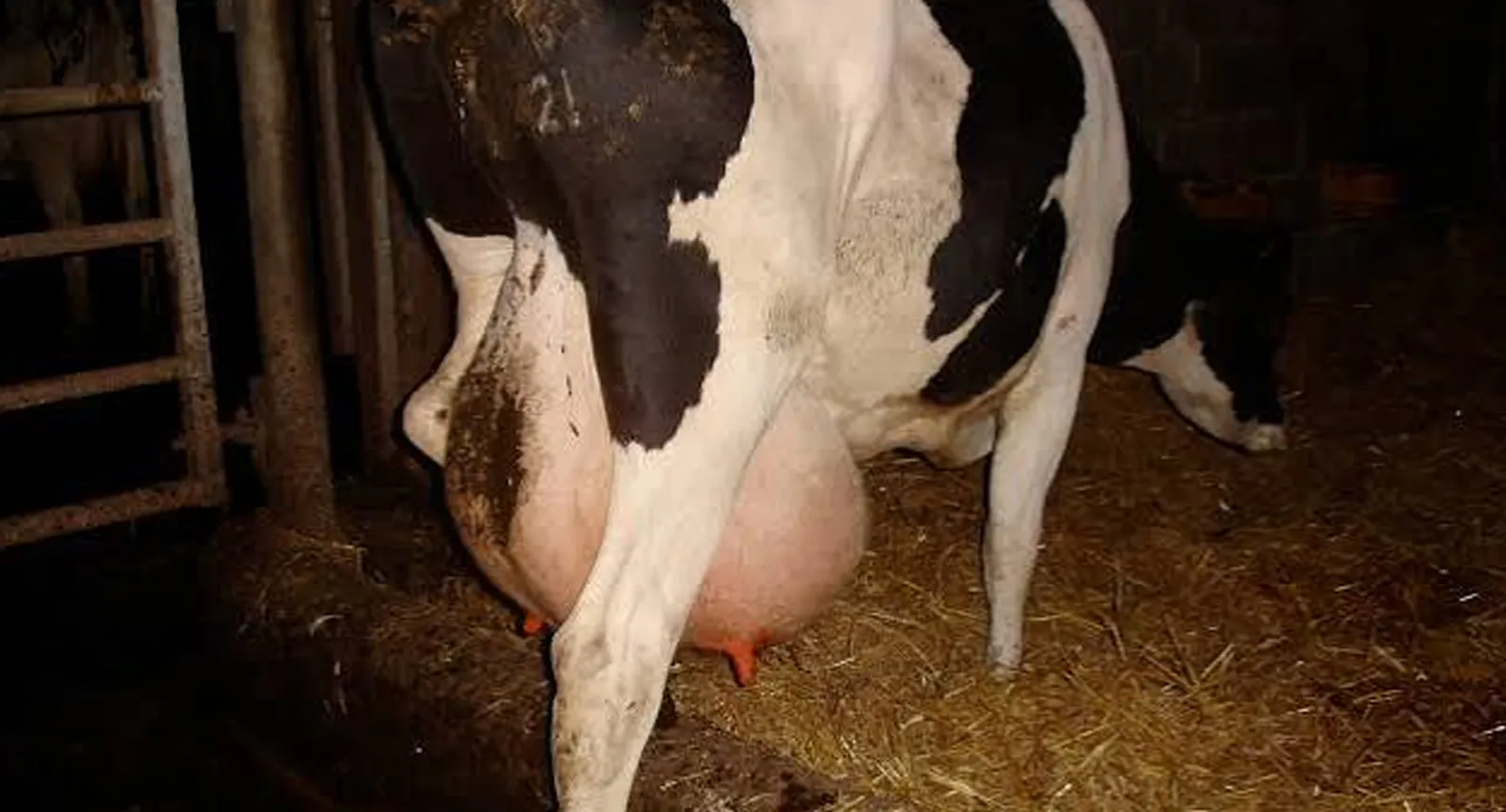
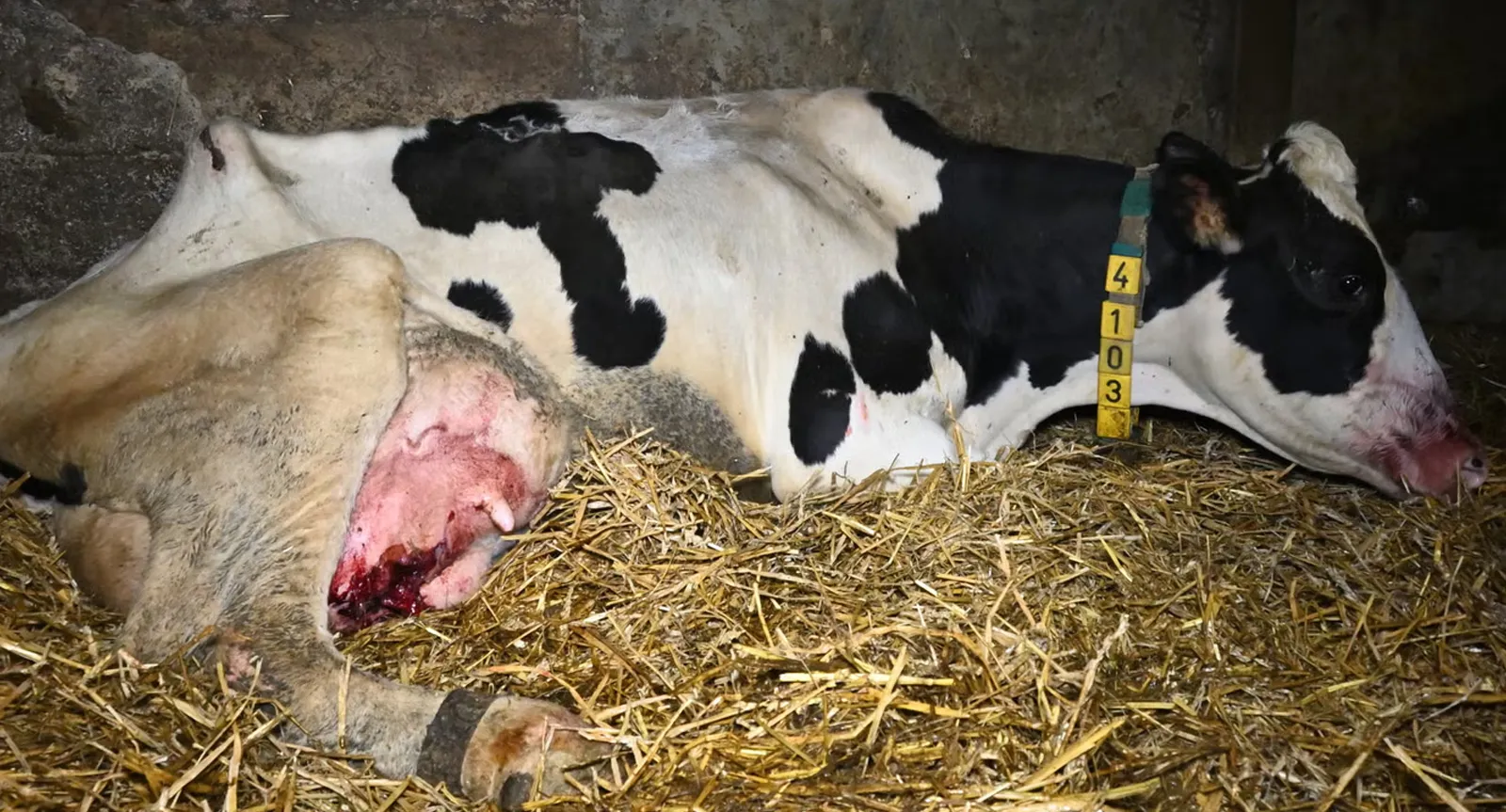
Mastitis causes painful inflammation of the udder, making milking uncomfortable and everyday life more difficult. It can also lead to infection, reduced milk production and repeated medical treatment.

Lameness & hoof disease
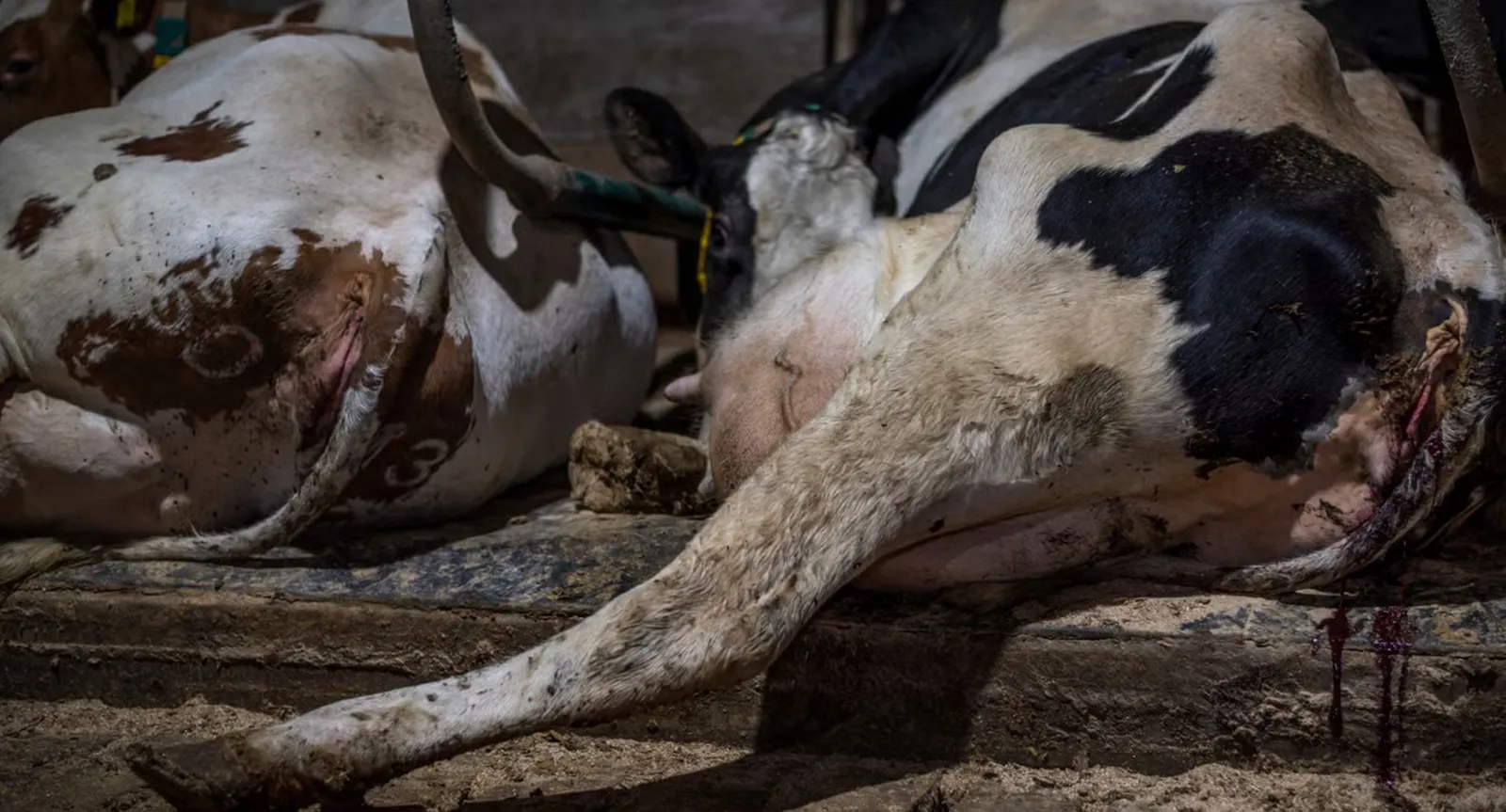
Hoof disease and lameness make every step painful. Affected cows can struggle to walk, reach food and water, or lie down and stand up comfortably.

Metabolic disorders
The intense demands of milk production can disrupt a cow’s metabolism, leading to conditions such as ketosis and milk fever. These illnesses can cause weakness, pain and serious health complications.
Nutritional stress
Producing large quantities of milk requires enormous energy and nutrients. When feed cannot meet these demands, cows draw on their own body reserves, risking weight loss, exhaustion and illness.

Heat stress
High temperatures make it difficult for cows to cool their bodies. Heat stress causes discomfort, rapid breathing, reduced appetite and lower milk production, placing further strain on their health.

Inadequate rest
Cows need adequate time and comfortable space to lie down and rest. Pain, hard flooring, overcrowding and long periods of standing can deprive them of essential rest and increase physical fatigue.
The question is not how much milk her body can produce, but how much suffering it is made to endure. She feels pain, exhaustion and fear, just as any being capable of suffering does. Her worth cannot be measured in litres of milk, and her suffering cannot be justified by the demands of production. When we recognise that she is a living being, not a machine, we must also recognise that her pain matters, her needs matter, and her life matters beyond what she can give us.”
– Original text inspired by Jeremy Bentham’s philosophy
What the Industry Does to Their Bodies
Procedures performed on an animal’s body are questions of ethics as well as welfare.
Disbudding and Dehorning
Horns are removed or prevented from growing to reduce injury risk to handlers and other cattle. Methods include hot-iron cautery, chemical paste and surgical removal. Effective pain relief is essential but not universally applied.
Tail Docking
Historically practised to improve hygiene, tail docking has been restricted or banned in several countries due to welfare concerns. Where it persists, it is often performed without anaesthesia.
Castration of Male Calves
Performed to manage behaviour and meat quality, castration uses rubber rings, surgical methods or crushing devices. The technique and pain relief provided vary widely by region and regulation.
Restraint and Handling
Forceful handling, inappropriate restraint, and stressful movement through races, crushes and transport corridors can cause fear, injury and a breakdown of trust between animals and handlers.
Repeated Veterinary and Reproductive Procedures
A distinction exists between necessary medical care and interventions driven by production management. Routine pregnancy checks, hormone treatments and breeding procedures blur this line.
The question is not, Can they reason? nor can they talk? But can they suffer? Why should the law refuse its protection to any sensitive being?… The time will come when humanity will extend its mantle over everything which breathes…
-Jeremy Bentham on the suffering of non-human animals
A Life Built Around Production
Where they live, how they move, and what they are allowed to do.
Indoor Housing
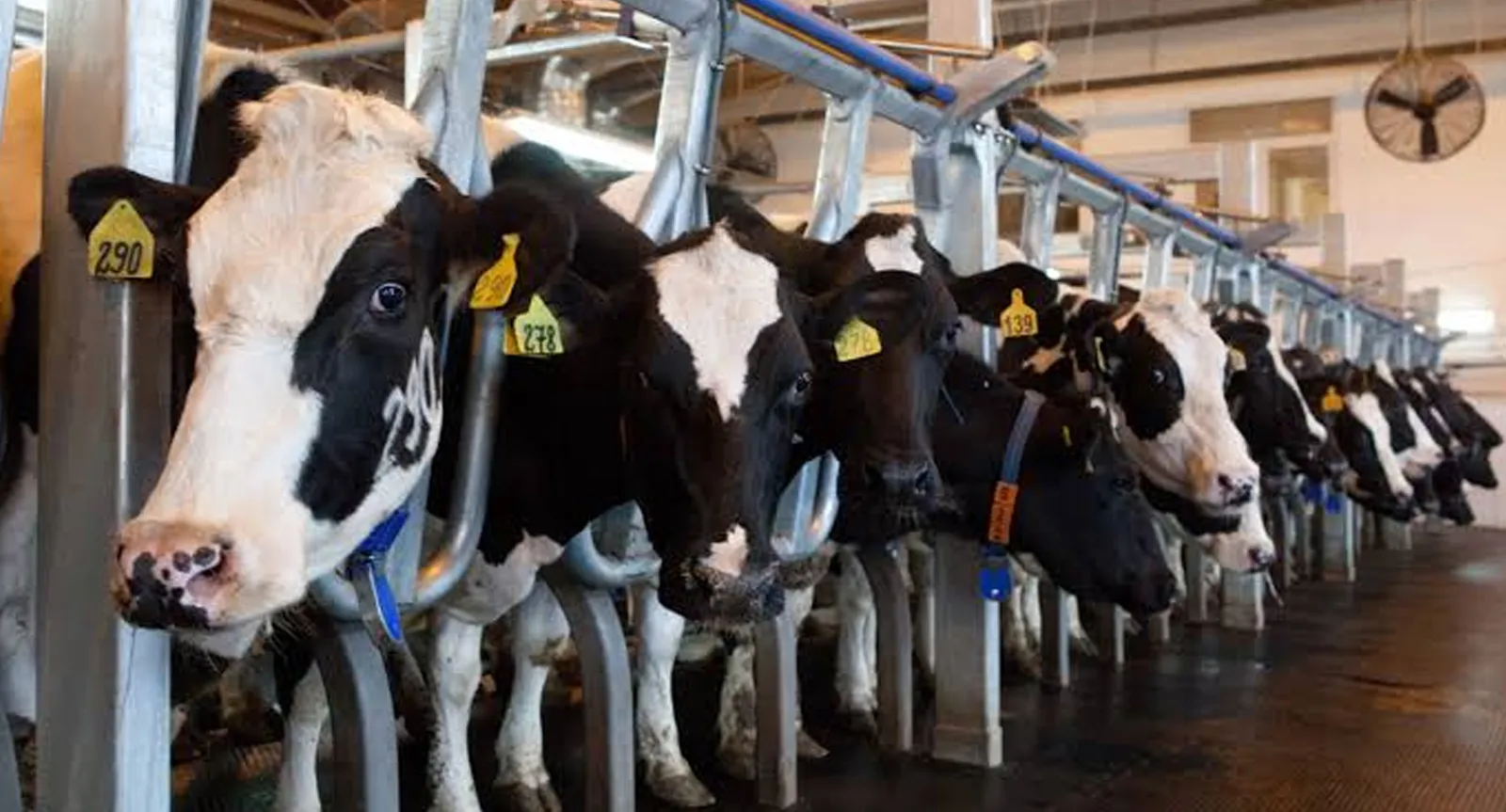
Tie-stall and free-stall systems differ in their effects on movement and comfort. Tie-stalls restrict movement more severely, while free-stall systems allow limited movement within the barn.
Limited Outdoor Access
Housing systems differ in access to pasture and opportunities to graze. Many high-production dairy systems keep cows indoors for most or all of the year.
Crowding and Competition
Access to feed, water, resting spaces, and comfortable lying areas can be limited by overcrowding, leading to competition and stress within the herd.
Social Relationships
Herd behaviour includes grooming, bonding, and social hierarchy. Regrouping — mixing unfamiliar cattle — disrupts these relationships and can cause stress and aggression.
Calf Housing
Individual versus group housing presents a trade-off between disease control and social contact. Calves are social animals that benefit from interaction, but management practices often isolate them.
Milking Schedules
Daily routines organise movement, feeding, resting, and time spent in the milking parlour. The cow’s day is structured around the farm’s production schedule, not her own rhythms.
The Final Stage of a
Life Organised Around Milk.
Health, fertility, yield and costs influence whether cows remain in a herd. Removal does not occur at one fixed age or for one universal reason.
When Milk Is No Longer Enough
A cow may be removed from the herd when milk production declines, fertility problems develop, or illness and injury make continued production less profitable. After years of producing milk and bearing calves, her place in the herd can depend on whether her body still meets the farm’s economic needs.
The Journey to Slaughter
Loading, unfamiliar surroundings, transport and separation from familiar animals can cause fear and stress. Long journeys, inadequate rest and limited access to water add to the strain. For cows already weakened by illness, injury or lameness, transport can make their final journey especially difficult.
Arrival at the Slaughterhouse
The journey ends in an unfamiliar environment filled with strange sounds, smells, animals and handling procedures. Moving through holding areas and waiting before slaughter can intensify fear and distress. A cow who has spent her life in a familiar herd must face these final hours in surroundings she cannot understand or control.
Stunning and Slaughter
Slaughter procedures are intended to render animals unconscious before killing. However, ineffective stunning, repeated attempts and stressful handling can compromise animal welfare. The process depends on proper equipment, trained personnel and effective monitoring to minimise the risk of pain and distress during the final moments of life.
The Dairy-Beef Connection
When dairy cows are removed from the herd, their bodies commonly enter meat supply chains. Their value does not end when their milk production declines; it changes from milk to meat. The dairy and beef industries are therefore closely connected, with many cows serving the dairy system throughout their productive lives before entering the meat industry.
The End of a Production Life
For a cow raised within the dairy industry, the end can come after years of breeding, pregnancy, calving and milk production. When she no longer meets the demands of the system, she can be sent to slaughter. Her life, measured for years by the milk she produced, ends with her body becoming another commercial product. The bond she formed with her calves, the pain she experienced and the life she lived cannot be measured by her economic value.
After years of pregnancy, birth, and milk production, a dairy cow\u2019s life commonly ends when the industry no longer considers her productive enough to keep.
The Global Scale of Dairy
Behind the everyday product is a vast global industry.
Annual volume of cow’s milk produced worldwide. Milk production, dairy cattle population, and slaughter figures are different measures.
Source: FAO
Number of dairy cows globally, using defined datasets. This figure includes lactating and dry cows in commercial and subsistence systems.
Source: FAO / Our World in Data
90–95% of dairy cows in the UK are impregnated by artificial insemination.
Source: UK Government – Animal Welfare Committee
In the UK, approximately 1.6 million cows are kept in the milking herd, while around 2.5 million female cattle are tied to the dairy industry overall. An estimated 20% of UK dairy farms operate zero-grazing systems, where cows are kept indoors and never graze on pasture.
See What Happens
Beyond the Milk Carton.
The Dairy Industry's...
The Ethics of Taking Milk
Who has the right to decide what happens to a mother and her offspring?
Does our desire for dairy justify controlling another animal’s reproductive life, subjecting her to repeated pregnancies, and taking the milk her body produces for her young?
If cows experience pain, fear, distress, and attachment to their calves, why should these experiences matter less simply because they belong to another species?
A mother produces milk to nourish her offspring. What gives us the right to turn that biological relationship into a commercial system, separating mothers from their young to claim the milk for ourselves?
When people can meet their nutritional needs without consuming dairy, is it necessary to make animals bear the physical and emotional costs of its production?
The question is not whether cows are fed, sheltered, or kept alive. It is whether their lives are treated as having value beyond what they can produce for us.
A cow is not merely a source of milk. She is an individual with her own needs, bodily integrity, and capacity for social bonds. Her offspring are not disposable by-products. And her reproductive life is not ours to control simply because we have the power to do so.
Find Your Plant-Based Alternative
Nourishment Does Not Have to Come at a Mother’s Expense. We can enjoy the foods we love without relying on a system that controls cows’ reproductive lives and separates mothers from their calves. Plant-based milks offer accessible alternatives, making it possible to move away from dairy without giving up everyday favourites.
Soy Milk
A protein-rich alternative that generally provides protein levels comparable to cow’s milk. Choose a fortified variety for a more nutritionally comparable option.
Oat Milk
A popular choice for coffee, porridge, cereals and everyday drinks. Its naturally mild flavour makes it easy to incorporate into daily routines.
Pea-Protein Milk
An alternative that often provides protein levels comparable to cow’s milk, depending on the product. A useful choice for those looking for a higher-protein plant-based drink.
Almond Milk
A widely available option with a mild, nutty flavour. It is generally lower in protein than cow’s milk, so consider other dietary protein sources when choosing it as a regular alternative.
Make Your Choice Count
Plant-based milks differ in their nutritional content. For everyday use, look for **unsweetened, fortified varieties** that provide calcium, vitamin B12 and, where available, vitamin D. Check the label, as fortification levels and ingredients vary between brands.
References & Further Reading
Explore scientific research and expert reports on dairy farming, animal welfare and plant-based alternatives to make informed, compassionate choices.
Organisations & Data
Scientific Reviews
- Assessing the emotional states of dairy cows housed with or without their calves
- Cattle cognition and social behaviour research
- Cow–calf contact and separation research
- Welfare of dairy cows
- Mastitis in dairy cows
- Lameness and hoof health in dairy cattle
- Male dairy calf welfare
- The complex relationship between welfare and reproduction in cattle
Further Reading
Why Go Vegan?
Explore the ethical, environmental, and health reasons for choosing a vegan lifestyle.
How to Go Vegan?
A practical, step-by-step guide to making the transition to a healthy vegan diet.
How to Stay Vegan?
Practical strategies and tips to make vegan living enjoyable, balanced, and sustainable long-term.