













How to Stay Vegan ?
Why most succeed but some struggle ?
You don’t have to be perfect. Just take it one step at a time. Learn how to make your vegan journey a success.
How to Stay Vegan ?
Going vegan is the best thing you can do for yourself, animals and the planet. Staying vegan, however, can sometimes be challenging, especially when surrounded by people who do not fully understand or share your choices. For some, everyday obstacles may even make them reconsider their decision. This guide explores the common stumbling blocks that can make veganism difficult, how to navigate them, and practical ways to make veganism work for you and become a natural, enjoyable part of your life.
There is no one-size-fits-all vegan journey. For some, the transition feels natural from the beginning. For others, it takes time to find the right balance. How quickly you make changes, your lifestyle, your surroundings, and your individual needs can all shape the experience. No two people will have exactly the same journey, and there is no need to expect yours to look like anyone else’s.
As you find your way, you will probably have questions. Where do vegans get their protein? What about vitamin B12? Am I getting everything my body needs? You may also hear plenty of questions from the people around you. Learning the basics of balanced vegan nutrition can give you the confidence to make informed choices and take good care of your health. You do not need to become a nutrition expert; you simply need to understand the foundations and know where to find reliable information.
Some people discover that veganism feels wonderful from the very beginning and never look back. Others encounter challenges along the way, whether at the start or further down the road. That does not mean you have failed. It simply means there is something to understand, adjust and learn from. This guide is here to help you navigate those moments and build a way of living vegan that feels healthy, practical and sustainable for you.
Remember Why You Started
When motivation fades, reconnect with the reasons that made this choice meaningful to you.
For Animals
Factory farming causes immense suffering to billions of animals every year.
For Your Health
A plant-based diet can reduce the risk of chronic diseases and help you live longer.
For Our Planet
Plant-based choices help reduce greenhouse gas emissions and protect our Earth.
You Don't Have
to Be Perfect
Becoming and staying vegan is a personal journey. There may be days when things do not go exactly as planned, whether because of limited choices, social situations, travel or simply an honest mistake. That does not mean you have failed. A sustainable vegan lifestyle is not built on perfection. It grows through everyday choices, gradual changes and a willingness to keep learning. Instead of focusing on what went wrong, consider what you can learn from the experience and what you can do differently next time.
- Focus on progress, not perfection
- Learn from mistakes
- Avoid all-or-nothing thinking
- Build habits gradually
- Return to your values when things become difficult
Make Vegan Choices
the Easy Choices
Staying vegan becomes easier when it fits naturally into your everyday routine. The goal is not to plan every meal perfectly, but to create simple habits that make nutritious vegan choices familiar, convenient and easy to maintain.

Plan Ahead
Know what you are going to eat before hunger makes the decision for you.

Keep Vegan Staples at Home
Beans, lentils, grains, nuts, seeds, vegetables, fruit and fortified foods can form the foundation of everyday meals.

Create Go-To Meals
Have several simple meals you can prepare without much thought.

Prepare for Busy Days
Keep easy options available for work, travel and unexpected situations.

How to be a healthy vegan?
Below are some simple guidelines for a balanced vegan diet. Take your time, eat enough, choose mostly whole foods, and limit heavily processed and junk foods. Most importantly, find the foods and combinations you enjoy and that work for your lifestyle.

Balanced vegan diet
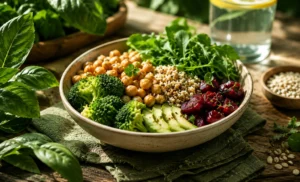
A healthy vegan diet includes plenty of fruit and vegetables, whole grains, pulses, nuts and seeds. A few key nutrients need particular attention, but this is important for everyone, whatever their diet. Foods high in added sugar, refined grains and heavily processed foods are best kept to a minimum.
Every day, you should eat:

Fruit & vegetables
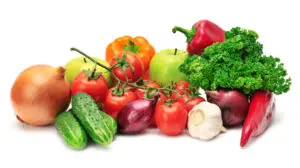
Aim for 5–8 servings a day. Fresh, frozen, cooked or dried (unsweetened) all count.
Whole grains
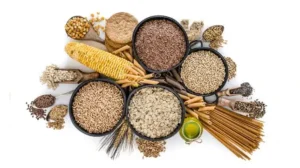
Include 3–4 servings of whole grains such as brown rice, wholemeal bread, oats, wholewheat pasta or quinoa.
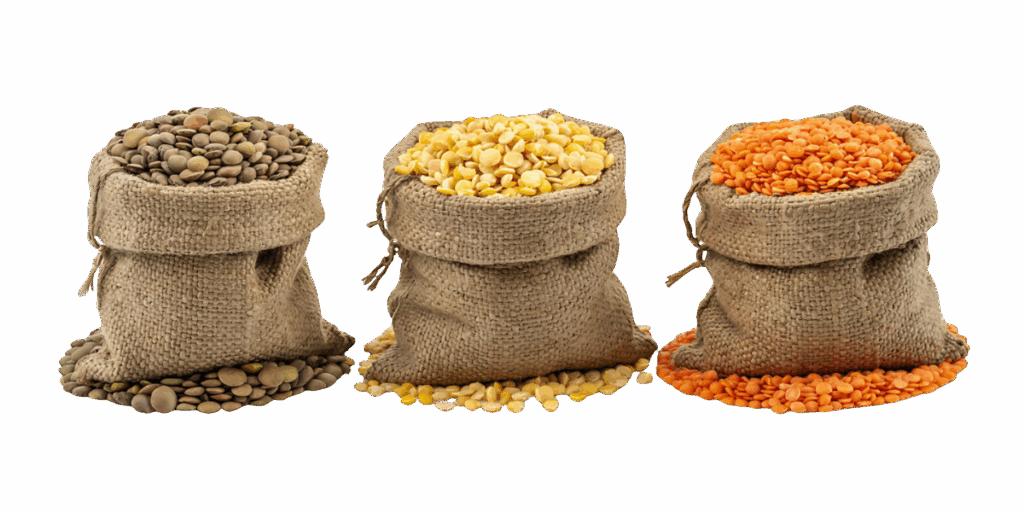
Pulses
Aim for 2–3 servings of beans, lentils, chickpeas, peas, soya or foods made from them, such as tofu, tempeh and hummus.
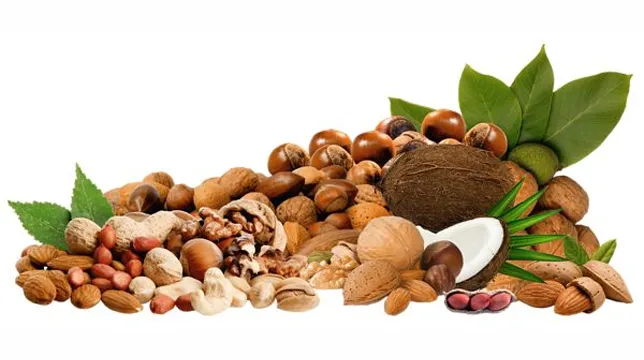
Nuts & seeds
Have a small handful or around 2 tablespoons daily. Flaxseed, chia, hemp seeds and walnuts are particularly good sources of omega-3 fats.

Vegetable oils
Use small amounts of vegetable oil. Extra virgin olive oil works well for cold dishes, while rapeseed oil is suitable for cooking and provides omega-3 fats.

Supplements
There are only a couple of supplements you should take, and they are vitamin B12 and vitamin D – the only vitamins not produced by plants.
Vitamin B12
Vitamin B12 is essential for healthy nerve cells and the production of red blood cells and DNA. As modern food production limits natural sources of B12, supplementation is recommended for vegans. Farmed animals are also commonly given B12 supplements.
Aim for 50 micrograms daily or 2,000 micrograms weekly. Fortified foods such as plant milk, breakfast cereals and low-sodium yeast extract can provide additional B12.
Vitamin D
Vitamin D is essential for healthy bones, teeth and muscles and is produced when sunlight reaches the skin. When sun exposure is limited, supplementation can help maintain adequate levels.
10 micrograms (400 IU) daily is generally sufficient. Those who spend little time outdoors or cover most of their skin may need supplementation throughout the year.
Stay Vegan in the Real World
Life does not only happen at home. A little preparation makes restaurants, work and social events feel natural.

Restaurants
- Check menus before going
- Ask about ingredients
- Explain clearly that you avoid animal-derived ingredients

Work & School
- Bring food when suitable options are limited
- Identify nearby vegan-friendly options
- Keep simple snacks available

Social Events
- Tell the host in advance
- Offer to bring a dish
- Focus on sharing the experience rather than policing other people’s choices
Travelling as a Vegan
Being vegan should not stop you from exploring new places, trying local food and enjoying your travels. With a little preparation, travelling as a vegan can be simple, affordable and enjoyable. Whether you are planning a weekend away or a longer trip, these simple tips can help you find suitable food and feel more confident wherever you go.
Research local food options
Before travelling, take a little time to explore the food options at your destination. Look for vegan restaurants, plant-based cafés, local markets and supermarkets. It can also help to check menus in advance, particularly if you are arriving late or travelling somewhere where vegan options may be limited.
Learn useful phrases
A few words in the local language can make ordering food much easier. Learn how to say that you are vegan and how to ask whether a dish contains meat, fish, dairy or eggs. If communication may be difficult, having a short written explanation on your phone can be useful.
Pack emergency snacks
Keep a few nutritious, travel-friendly snacks in your bag for journeys and unexpected situations. Nuts and seeds, dried fruit, oat bars, crackers or other foods that travel well can provide an easy option when there is little choice available.
Check accommodation options
If possible, choose accommodation with a kitchen, fridge or easy access to food shops. Having somewhere to prepare a simple meal can give you more flexibility, particularly on longer trips or in destinations with fewer vegan options.
Explore local markets
Local markets are a great way to discover the ingredients and flavours of a place. Fresh fruit and vegetables, breads, grains, beans, nuts and other plant foods can often be found there. Markets can also offer an opportunity to ask vendors about unfamiliar foods and discover naturally vegan options.
Use supermarkets
Supermarkets can be useful when you need familiar ingredients or want to put together a simple meal yourself. Look for foods such as fruit, vegetables, beans, lentils, grains, bread, oats, nuts and plant-based alternatives. Checking ingredient labels is especially important with packaged foods.
Find vegan restaurants
Vegan restaurants can make eating out simple and give you the chance to try dishes created specifically around plant-based ingredients. When there is no dedicated vegan restaurant nearby, vegetarian restaurants and cafés may also offer suitable choices. Always check ingredients if you are unsure how a dish is prepared.
Try naturally vegan local dishes
You do not always need a specialist vegan restaurant to enjoy local food. Many cuisines include dishes based on vegetables, grains, pulses, fruit, herbs and spices that are naturally vegan. Exploring these foods can be one of the most enjoyable parts of travelling.
You Don't Have
to Do It Alone
Changing the way you eat and live can feel very personal, but you do not have to figure everything out by yourself. Meeting people who share similar values can make the journey easier, more enjoyable and less isolating. A community can be a place to ask questions, exchange ideas, discover new foods, share experiences or simply spend time with people who understand your choices.
Find Your People:
- Vegan communities
- Friends with similar values
- Online communities
- Local events
- Vegan cooking groups
- Animal protection organisations
What If You Accidentally
Eat an Animal Product?
Nobody gets everything right all the time. When you are eating out, travelling or trying unfamiliar foods, mistakes can happen. An ingredient may not be clearly labelled, a meal may be prepared differently than expected, or a restaurant may simply get your order wrong. If you accidentally eat something that is not vegan, you have not failed. What matters is what you do next.
01
If you realise that a food contains an animal ingredient, simply stop eating it if you can. There is no need to punish yourself or dwell on what has already happened.
02
Learn
Try to understand what happened. Was an ingredient unclear? Did you misunderstand a label? Could you have asked a different question when ordering? The experience may help you make a more informed choice next time.
03
Adjust
Use what you have learned. Check labels more carefully, ask about ingredients or explain your dietary choices more clearly when ordering. Small changes can make similar situations easier to handle in the future.
04
Continue
Then carry on. One accidental meal does not erase the choices you have made before it or determine what you choose next. Veganism is not about being perfect; it is about the choices you make as you move forward.
When Staying
Vegan Gets Hard
Not every day will feel easy. There may be days when you miss an old favourite, have nothing suitable to eat, feel tired of checking ingredients, or simply wish food could be less complicated. These moments do not mean veganism is not working for you. They are part of adjusting to a different way of eating and living.
When You Miss Foods You Used to Love
Sometimes it is not the food itself you miss, but the taste, texture or familiarity attached to it. Instead of trying to ignore the craving, ask what you are actually looking for. Is it something crispy, creamy, savoury, sweet or comforting? There are often vegan foods that can satisfy the same craving without making you feel like you are settling for a substitute.
When Convenience Gets in the Way
Eating vegan can feel much harder when you are hungry, busy or unprepared. Keep a few simple foods you genuinely enjoy within easy reach. A quick meal, a reliable snack or a few ready-to-eat ingredients can make the difference between following your intentions and feeling overwhelmed by them. The goal is not to prepare every meal perfectly. It is to make the easier choice one that works for you.
When Food Is Tied to Memories
Some foods carry more than flavour. They can remind you of family, childhood, celebrations, holidays or time spent with friends. You do not have to lose those memories. Think about what made the experience meaningful and find ways to keep that part alive. A familiar recipe can often be adapted, a favourite meal recreated with plant-based ingredients, or a new tradition created around food.
When You Have a Difficult Day
You do not need to approach veganism as a test of perfection. A difficult meal, an unexpected ingredient or a day when everything feels harder than usual does not erase the choices you have already made. Take a moment, learn what you can, make your next choice, and keep going.
Are You Set Up for
Long-Term Vegan Living?
Ready to Transform
Your Lifestyle?
By making a few simple changes to our eating habits, we can lead healthier, more sustainable lives and help build a world where compassion and kindness are shown to all animals.
Why Go Vegan?
Explore the powerful benefits for your health, animals, and our planet.
How to Go Vegan?
Step-by-step guidance to help you make the transition easy and sustainable.


When Other People
Don't Understand
Choosing to live vegan can sometimes lead to questions, comments or pressure from friends, family or colleagues. Not everyone will understand your reasons straight away, and you do not need to turn every conversation into a debate.
Stay Calm
A steady tone keeps the conversation open.
Listen First
Understand the question behind the question.
Explain Your Reasons, Don't Attack Others
Share your experience without judging theirs.