

'''
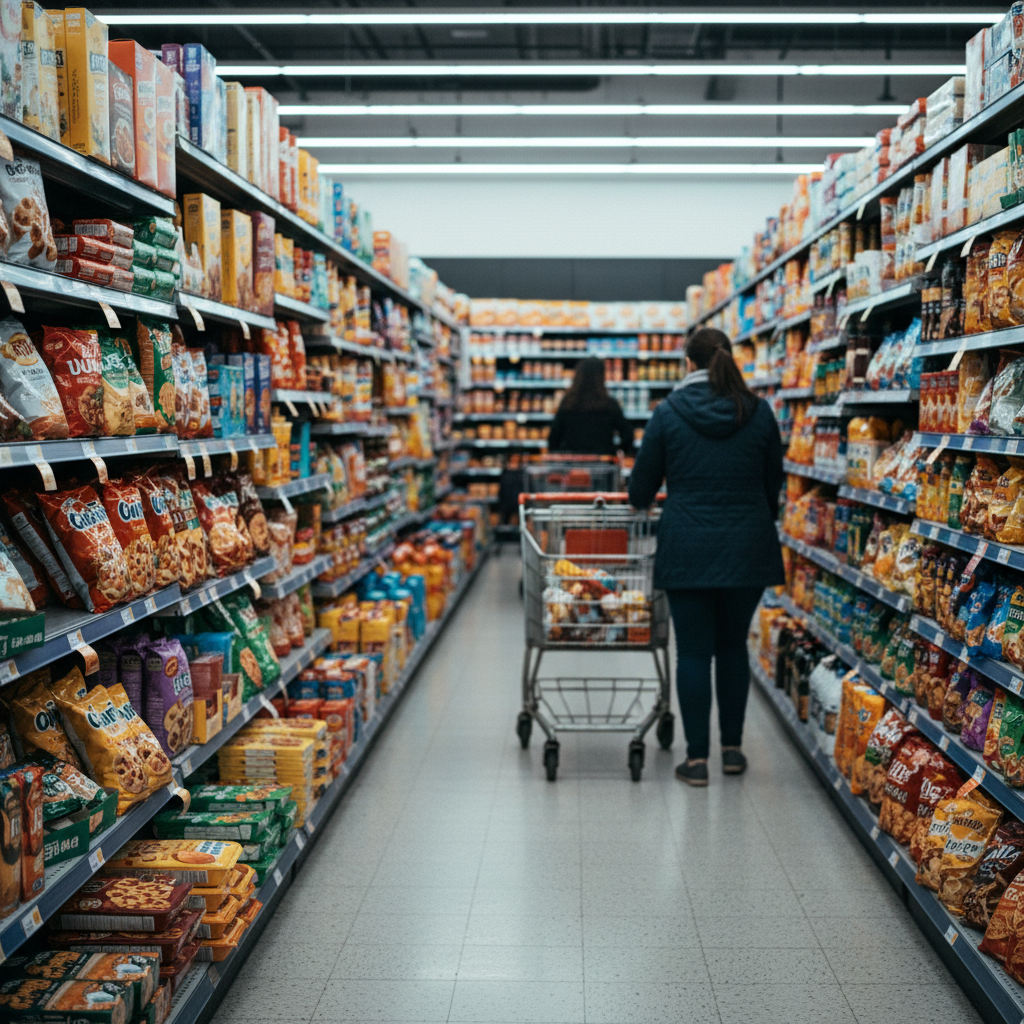
The fluorescent lights of the supermarket’s central aisle cast a flat, even glow on a kaleidoscope of cardboard and plastic. Here, in the “convenience” section, packages promise speed, flavor, and satisfaction in crinkly bags and colorful boxes. For millions, this is the landscape of the daily diet, a world built not from soil and sunshine, but from industrial formulations. It is a world we are now learning has a profound and disturbing connection to the landscape of a different kind: our own minds.
Key takeaways
- 🔬 A major new meta-analysis published in The Lancet Planetary Health confirms a significant association: individuals with the highest intake of ultra-processed foods (UPFs) have a 22% higher risk of developing depression.
- 🧠 The damage may be driven by several biological mechanisms, including chronic inflammation, disruption of the gut-brain axis, nutrient displacement, and the impact of industrial food additives on neurological pathways.
- 🌍 Now making up over 57% of calories consumed in the US and UK, UPFs are a dominant feature of the Western diet and their consumption is rapidly expanding worldwide, posing a global public health challenge.
- ⚖️ Public health strategies are shifting, with calls for clearer labeling (like front-of-pack warnings), restrictions on marketing to children, and policies that favor whole foods—a systemic approach beyond individual willpower.
The Anatomy of an Ultra-Processed Problem
The term “ultra-processed food” (UPF) is not just a trendy label for “junk food.” It is a specific scientific classification—the fourth group in the NOVA food classification system, developed by researchers at the University of São Paulo, Brazil. These are not merely foods with added salt, sugar, or oil. They are industrial formulations, typically containing five or more ingredients, and often including substances not found in a typical kitchen pantry.
These ingredients—such as hydrogenated oils, high-fructose corn syrup, protein isolates, and a vast array of emulsifiers, thickeners, artificial flavors, and colorants—are assembled to create products that are hyper-palatable, cheap to produce, and have a long shelf life. They are, in essence, designed to be irresistible and to displace traditional, whole-food-based diets. Think of soft drinks, packaged sweet and savory snacks, mass-produced breads, frozen pizzas, and ready-to-eat meals. They are the staples of the modern fast-food landscape.
For decades, the health conversation around these products centered on their physical consequences: obesity, heart disease, type 2 diabetes. While these links are well-established, a new and alarming frontier of research is revealing the profound impact of UPFs on our mental and emotional health.
The Lancet Bombshell: Quantifying the Mental Health Risk
This brings us to the latest, and perhaps most compelling, piece of evidence to date. A sweeping meta-analysis published in early 2026 in The Lancet Planetary Health has synthesized data from numerous high-quality observational studies involving millions of participants across several countries. The findings are a stark wake-up call.
The researchers found a direct, dose-response relationship between UPF consumption and the risk of depression. Individuals in the highest quartile of UPF intake—meaning these foods make up the largest portion of their diet—showed a 22% greater risk of a future depression diagnosis compared to those in the lowest quartile. The study also found a significant, though slightly less pronounced, link to increased anxiety symptoms.
This wasn’t a fringe finding. It represents a convergence of evidence from years of epidemiological work. By pooling data, the meta-analysis smooths out anomalies from single studies, providing a more robust and reliable estimate of the true risk. The conclusion is clear and consistent: the more UPFs a person eats, the higher their subsequent risk of suffering from clinical depression. It transforms what was once a hypothesis into a mainstream, evidence-based concern.
"The correlation is consistent and strong. We are no longer in the realm of speculation. The question is not if diet impacts mental health, but how these specific industrial products are contributing to the global burden of mental illness."
| USA | 57.9 % of Calories | |
|---|---|---|
| UK | 56.8 % of Calories | |
| Canada | 47.7 % of Calories | |
| France | 35.9 % of Calories | |
| Brazil | 22.6 % of Calories |
Pathways to Despair: How UPFs May Harm the Brain
Correlation, of course, is not causation. The Lancet meta-analysis, like the studies it reviewed, is observational. It cannot prove that eating a frozen pizza causes depression. However, the strength of the association, combined with a growing body of research on biological mechanisms, points toward a causal relationship. Scientists have identified several plausible pathways through which UPFs could exert a negative influence on the brain.
Here are some of the leading biological hypotheses:
-
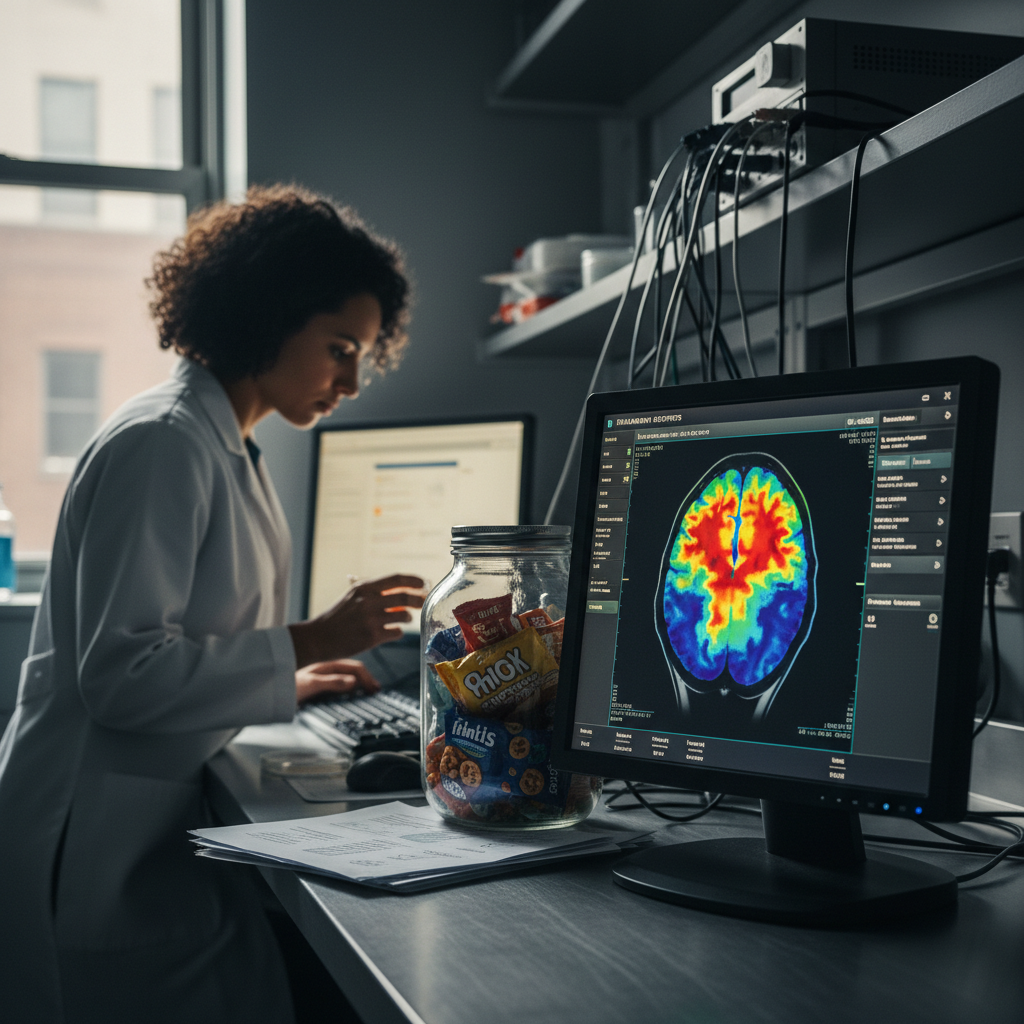
Systemic Inflammation: UPFs are notoriously pro-inflammatory. Their high levels of saturated fats, sugar, and advanced glycation end-products (AGEs) can trigger a chronic, low-grade inflammatory response throughout the body. This inflammation is not confined to the joints or the cardiovascular system. It crosses the blood-brain barrier, leading to neuroinflammation, which is now recognized as a key factor in the pathology of depression.
-
Gut-Brain Axis Disruption: Our gut is home to trillions of microbes that play a crucial role in our health, including the production of neurotransmitters like serotonin and dopamine. A diet rich in whole, fiber-rich foods feeds a diverse and healthy gut microbiome. UPFs do the opposite. They are typically low in fiber and contain emulsifiers and other additives that can disrupt the gut lining ("leaky gut") and promote the growth of "bad" bacteria. This dysbiosis affects the signals sent from the gut to the brain, altering mood and contributing to depressive symptoms.
-
Nutrient Displacement: This is perhaps the most straightforward mechanism. When a large portion of a person's calories comes from nutrient-poor UPFs, there is simply less room for nutrient-dense whole foods. Depression has been linked to deficiencies in key nutrients like omega-3 fatty acids, B vitamins (especially folate and B12), zinc, and magnesium—all of which are abundant in vegetables, fruits, legumes, and fish, and conspicuously absent from most UPFs.
-
Blood Sugar Volatility: The refined carbohydrates and high sugar content in many UPFs cause rapid spikes and subsequent crashes in blood glucose levels. This glycemic rollercoaster can lead to mood swings, irritability, and fatigue. Over time, it can also contribute to insulin resistance, another metabolic condition linked to an elevated risk of depression.
The Hallmarks of an Ultra-Processed Food
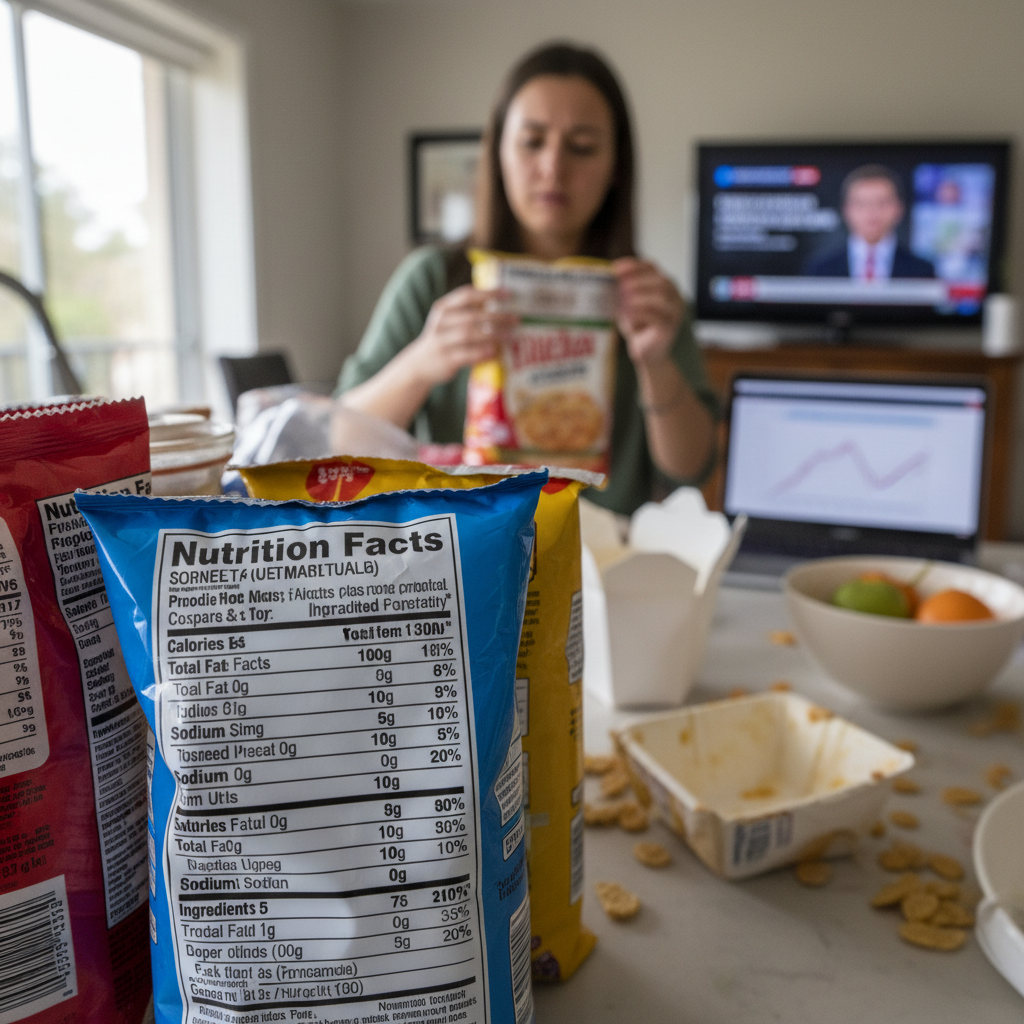
Navigating the food environment can be confusing. The lines between processing levels are often blurred by marketing. The NOVA system provides clear criteria. An item is likely a UPF if it meets several of these conditions:
- ✅ A long list of ingredients (often more than five).
- ✅ Contains ingredients you wouldn't use in home cooking (e.g., protein isolates, maltodextrin, high-fructose corn syrup).
- ✅ Includes cosmetic additives designed to mimic the sensory properties of whole foods or mask undesirable textures (e.g., emulsifiers, artificial colors, flavor enhancers).
- ✅ Comes in aggressive, hyper-palatable branding and packaging.
- ✅ Is a product of a large, multinational corporation.
This table helps illustrate the difference:
| Classification | Description | Examples | Ingredients |
|---|---|---|---|
| Unprocessed | Foods in their natural or near-natural state. | Fresh apple, raw spinach, steak, almonds | Apple |
| Processed Culinary | Ingredients extracted from nature for cooking. | Olive oil, butter, maple syrup, salt | Olives, water, salt |
| Processed | Simple products with a few added ingredients. | Canned sardines (in oil), freshly baked bread, cheese | Sardines, oil, salt |
| Ultra-Processed | Industrial formulations with many ingredients. | Packaged cookies, soda, frozen pizza, instant noodles | Flour, sugar, palm oil, glucose syrup, soy lecithin, artificial flavor… |
A Global Diet, A Global Crisis
While the problem was first identified and is most pronounced in high-income countries like the United States, the United Kingdom, and Canada, the consumption of UPFs is a rapidly accelerating global phenomenon. These products are making aggressive inroads into middle- and low-income countries in Latin America, Asia, and Africa, often marketed as modern, aspirational, and convenient.
This dietary transition is displacing traditional food cultures built on staple crops, legumes, and minimally processed preparations. The public health implications are enormous. As these nations adopt Western dietary patterns, they are beginning to experience the same rise in diet-related non-communicable diseases—and, as the new evidence suggests, a potential rise in mental health disorders as well.
"Ultra-processed foods are replacing traditional food systems based on fresh and minimally processed foods, and this is happening all over the world. It’s a global problem." — Carlos Monteiro, Professor of Nutrition and Public Health, University of São Paulo
This is not a failure of individual choice, but a feature of a globalized food system that prioritizes profit and scalability over human and ecological wellbeing. The immense marketing budgets and political lobbying power of the large corporations that produce UPFs create an environment where the unhealthiest choice is often the easiest, cheapest, and most heavily promoted.
By the numbers
Here are some of the statistics that frame the scale of the ultra-processed food challenge:
| Statistic | Value | Source |
|---|---|---|
| UPF Calorie Share (USA) | 57.9% | Our World in Data |
| UPF Calorie Share (UK) | 56.8% | Our World in Data |
| Increased Depression Risk | +22% | The Lancet Planetary Health |
| Global UPF Market (2023) | ~$1.8 Trillion | Grand View Research |
| Common Sweetener | High-Fructose Corn Syrup | USDA |
| Fiber in UPFs vs. Whole Foods | Significantly Lower | British Journal of Nutrition |
Moving Forward: From Personal Anxiety to Public Action
The evidence linking UPFs to depression can feel overwhelming, even paralyzing. It can risk pathologizing food and creating another layer of anxiety for people just trying to feed themselves and their families. It is crucial, therefore, to frame the solution not as a matter of perfect individual diets, but as a target for public health intervention.
Several countries are already leading the way. Chile, Mexico, and Peru have implemented front-of-package warning labels—black octagons that clearly state when a product is high in sugar, salt, calories, or saturated fat. These labels have been shown to shift consumer behavior and drive product reformulation. Other potential policies include:
- Restricting marketing to children: Protecting the most vulnerable population from the persuasive power of UPF advertising.
- Taxing unhealthy products: Using fiscal policy to discourage consumption of sugary drinks and other low-nutrient items.
- Subsidizing whole foods: Making fruits, vegetables, and legumes more affordable and accessible, particularly for low-income communities.
- Public education campaigns: Raising awareness about the NOVA classification and empowering consumers to identify UPFs.
For an individual, the goal should not be purity but progress. A complete boycott of UPFs is unrealistic for many. Instead, a harm-reduction approach can be both effective and sustainable. This might involve small, incremental changes: swapping a sugary cereal for oatmeal, replacing a soda with sparkling water, or aiming to cook one extra meal from scratch each week.

Frequently Asked Questions
Is every single processed food bad for my mental health?
No. It's crucial to distinguish between "processed" and "ultra-processed." Processed foods, like canned beans, frozen vegetables, whole-grain bread, and cheese, can be part of a healthy diet. The primary concern is the industrial formulations of UPFs, which contain cosmetic additives and are designed to be hyper-palatable and displace whole foods.
Does this new study prove that my diet is causing my depression?
This research shows a strong population-level link, but it doesn't prove causation in any single individual. Depression is a complex condition with many contributing factors, including genetics, life events, and social circumstances. However, this evidence suggests that a diet high in UPFs is a significant and modifiable risk factor worth addressing as part of a holistic approach to mental healthcare.
I'm busy and on a budget. How can I possibly avoid ultra-processed foods?
It is a challenge, as convenience and cost are major drivers of the UPF industry. Start small. Focus on whole-food staples that are affordable, like oats, rice, beans, lentils, eggs, and seasonal or frozen vegetables. Learning a few simple, quick recipes can make a huge difference. It’s about shifting the balance, not achieving perfection.
If I stop eating ultra-processed foods, will my depression be cured?
While improving your diet can have a powerful positive impact on mood and overall wellbeing, it is not a standalone cure for clinical depression. It is essential to work with a qualified healthcare provider or therapist to develop a comprehensive treatment plan, which may include therapy, medication, and lifestyle changes like diet and exercise.
Is this just another way to make people feel guilty about their food choices?
That is a real risk, but it shouldn't be the takeaway. The message is not about individual blame. It is about recognizing that we live in a food environment that makes unhealthy choices the default. This evidence should empower us to advocate for systemic changes—better policies, clearer labels, and a food culture that supports health—while taking small, manageable steps in our own lives.
A Call for a Whole-Food Future
The connection between ultra-processed foods and our mental health is a watershed moment in nutrition science, demanding a profound shift in how we view the food we eat. It re-frames the conversation from calories and weight to inflammation and neurobiology. Protecting our minds requires more than just individual willpower; it requires a systemic rethinking of our food environment. The next time you walk down that glowing supermarket aisle, see it not just as a wall of convenient options, but as a critical public health juncture. Supporting policies that champion whole foods, learning to cook simple meals from scratch, and demanding more from the corporations that feed us are all acts of resistance in favor of a healthier, more resilient future for our bodies and our minds.
'''