


'''
The clatter of trays in the cafeteria at P.S. 124 in Brooklyn sounds familiar, but the scent wafting from the service line is new. Today is "Plant-Powered Friday," and the star of the lunch tray is a rich, savory pasta e fagioli, studded with beans and aromatic herbs, served alongside a crisp green salad and a piece of fresh fruit. There are no chicken nuggets, no cheeseburgers, no cartons of dairy milk unless specifically requested. For the 1,700 school districts participating in New York City's landmark program, this is the new, healthier and climate-friendlier face of school lunch.
Key takeaways
- 🌱 Pioneering districts are the proof: Large urban school systems like New York City and Oakland have demonstrated that transitioning to plant-forward menus at scale is not only feasible but beneficial, providing a roadmap for others.
- 📉 Measurable health and climate benefits: Studies show that shifting to plant-based school meals can significantly reduce carbon and water footprints by over 30% and improve students' dietary quality, aligning with public health goals.
- ⚖️ Policy and partnerships are critical: Success hinges on a combination of supportive state and local policies, strategic partnerships with non-profits, and creative navigation of federal USDA nutrition guidelines.
- ⚠️ Student acceptance is the primary challenge: Overcoming "plate waste" and ingrained eating habits requires significant investment in culinary training for staff, student taste tests, and culturally relevant recipe development.
- ✅ Default-plant is an effective strategy: Making the plant-based option the default choice, rather than an alternative, has proven to dramatically increase uptake and normalize plant-based eating.
The New Lunch Line: A Taste of Change
New York City’s program, the largest of its kind in the United States, is arguably the most ambitious experiment in public school food reform in a generation. Launched in the 2022-2023 school year, it made plant-based meals the default option every Friday for its nearly one million students. An analysis conducted by researchers at the University of Colorado and published in JAMA Network Open in 2024 found the initiative was an overwhelming success from a public health and environmental standpoint. The study revealed that serving plant-based default meals led to a 36% reduction in the carbon footprint and a 57% reduction in the water-use footprint of the meals served. Furthermore, a remarkable 87.5% of students opted for the plant-based entrée.
This shift is not confined to the coasts. In Illinois, a 2023 state law now requires schools to offer a plant-based option to all students who request one, moving beyond mere accommodation to active provision. In California, the Oakland Unified School District has been a pioneer for years, integrating plant-based and locally sourced foods through its "California Thursdays" program and a robust farm-to-school network. Their efforts have seen a steady increase in meal participation and a decrease in plate waste.
These programs represent the vanguard of a quiet but profound revolution unfolding in school cafeterias across the country. Driven by a convergence of concerns—childhood obesity and diet-related diseases, the climate impact of animal agriculture, and a growing desire for more inclusive and culturally diverse food options—educators, parents, and policymakers are fundamentally rethinking what it means to feed a child at school. The challenge is immense, navigating a complex web of federal regulations, tight budgets, and the notoriously fickle palates of children and adolescents. Yet, the work of these pioneers offers a compelling glimpse into a healthier, more sustainable future for school food.
From Policy to Plate: Navigating the System
At the heart of school food lies the National School Lunch Program (NSLP), a federal initiative that provides low-cost or free lunches to more than 30 million children daily. The program is administered by the U.S. Department of Agriculture (USDA), which sets strict nutritional standards that schools must meet to receive reimbursement. For decades, these standards have been built around a model that heavily features meat and dairy as primary sources of protein and calcium.
However, a key shift occurred with the Healthy, Hunger-Free Kids Act of 2010, championed by then-First Lady Michelle Obama. While still emphasizing traditional components, the updated guidelines increased requirements for fruits, vegetables, and whole grains, inadvertently opening the door for more plant-forward menus. The rules allow for non-meat protein sources like tofu, legumes, and yogurt to be credited. In 2023, the USDA revised the rules further, explicitly allowing schools to credit tofu and soy yogurt as meat alternates and, crucially, allowing parents to opt their students into receiving soy milk without a doctor's note.
"Schools are at the intersection of so many of our most pressing issues—public health, climate change, social equity. By transforming the food we serve our children, we are not just building healthier bodies; we are investing in a more just and sustainable future for everyone." — Amie Hamlin, Executive Director, Coalition for Healthy School Food
This regulatory flexibility is the critical lever that innovative districts have pulled. By working with organizations like the Coalition for Healthy School Food and Friends of the Earth, districts have learned to craft menus that are both compliant and plant-centric. This often involves:
- Smart Recipe Development: Creating dishes where beans, lentils, and tofu are the stars, such as "three-sister" stews (corn, beans, squash), lentil-based sloppy joes, or black bean burgers that meet the USDA's protein requirements.
- Strategic Sourcing: Partnering with local farms and suppliers who can provide fresh produce and plant-based staples consistently and affordably.
- The "Default" Strategy: As seen in New York, making the plant-based option the standard offering rather than a special request dramatically increases its adoption and normalizes it for students.
The "Plate Waste" Problem: Winning Over Student Appetites
Perhaps the most significant hurdle for any new school food program is student acceptance. The phenomenon of "plate waste"—the amount of edible food that students throw away—is a major concern for nutritionists and administrators alike. If students don't eat the healthier food they're served, the nutritional benefits are lost, and school budgets are squandered.
Plant-based menus are particularly vulnerable to this challenge. For students accustomed to a daily diet of processed chicken, pizza, and hot dogs, a lentil shepherd's pie can be a hard sell. Success requires a multi-pronged strategy that goes far beyond simply placing a new item on the menu.
Winning Hearts and Minds (and Stomachs)
Early adopters have developed a clear playbook for building student buy-in:
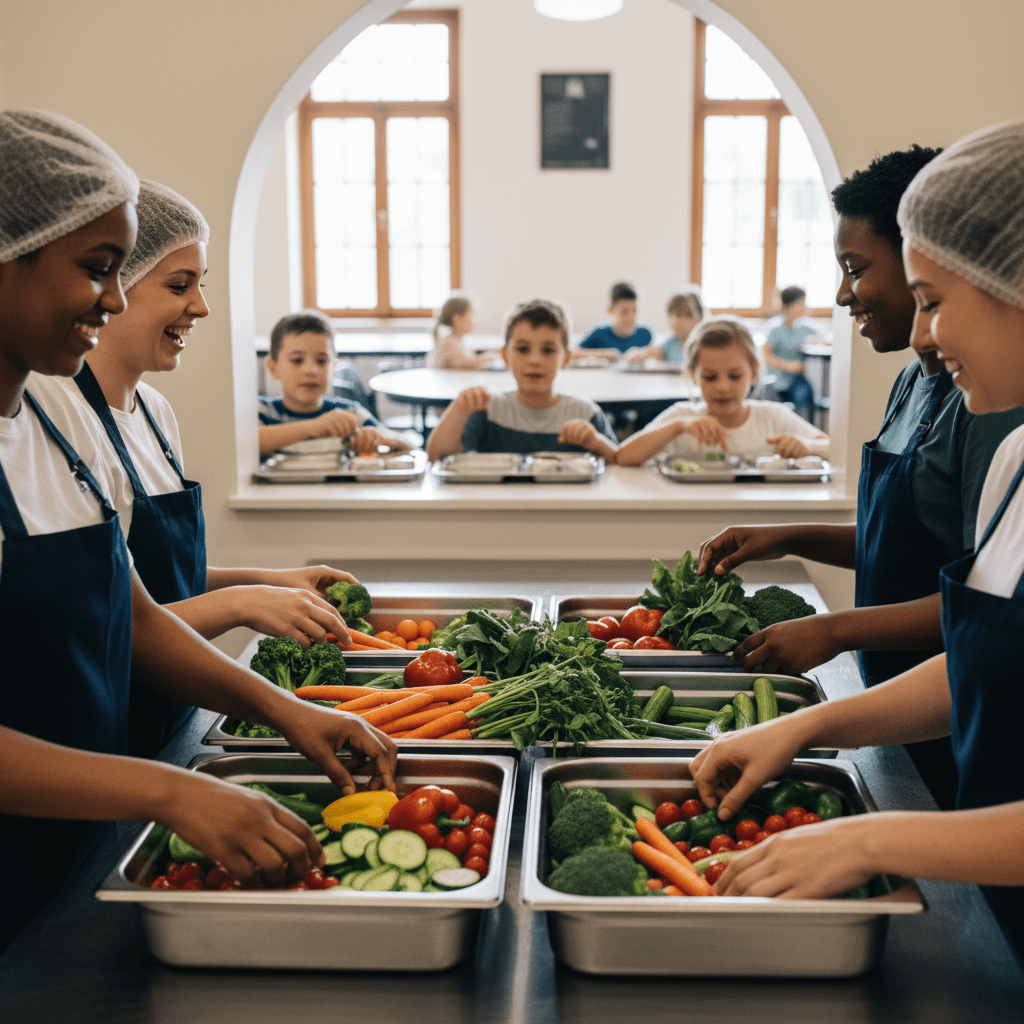
- Involve Students Early and Often: Conduct taste tests and surveys before a new item is rolled out. Let students vote on names for dishes and provide feedback on flavors and textures. In Oakland, student "Food Champions" act as ambassadors, encouraging their peers to try new things.
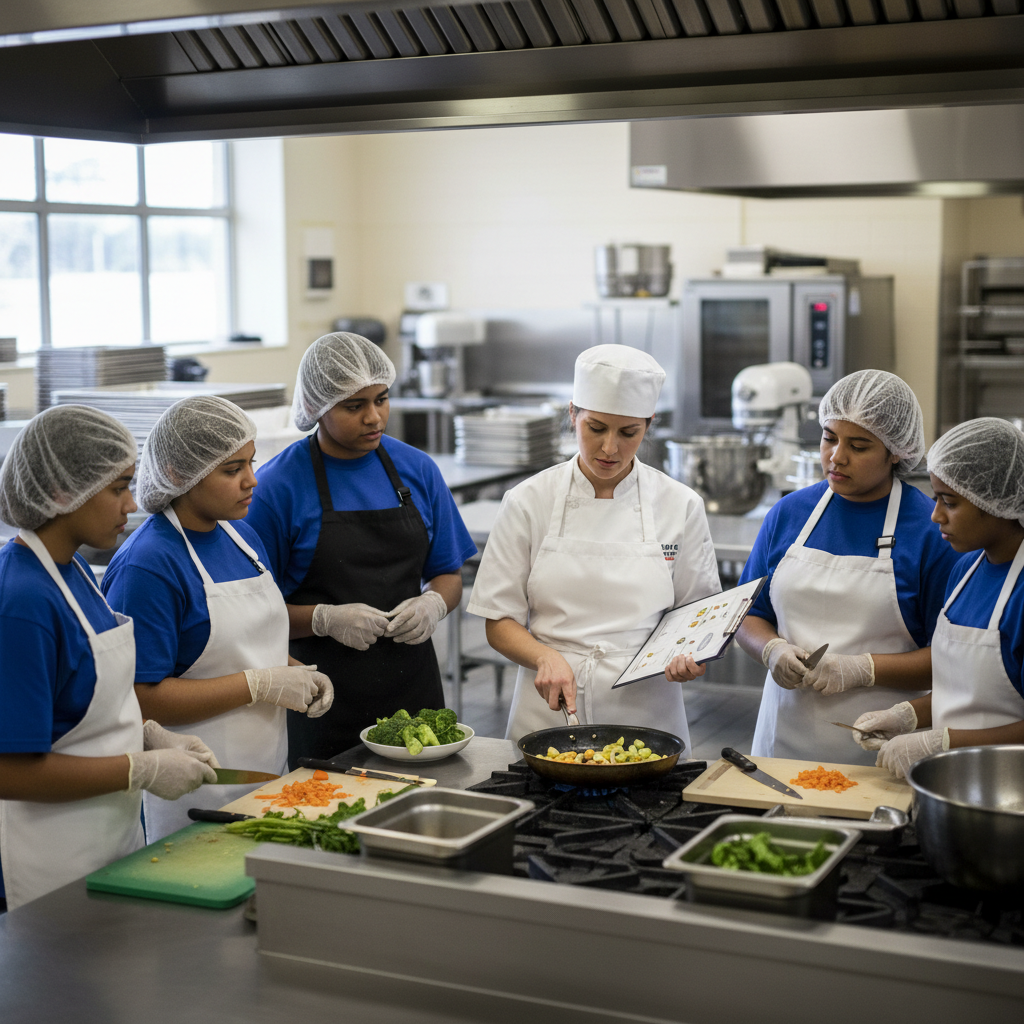
- Invest in Culinary Training: School kitchen staff are on the front lines. Many are trained in high-volume, heat-and-serve preparation, not scratch cooking with fresh ingredients. Providing professional development in plant-based culinary techniques is essential for making food that is not just nutritious but delicious and visually appealing.
- Marketing and Education: Create a positive buzz. Use posters, morning announcements, and school-wide events to introduce new menu items. Connect the food to topics students care about, like protecting animals or fighting climate change.
- Cultural Relevance: Menus should reflect the diversity of the student body. A "Red Lentil Coconut Curry" or a "Cuban-Style Black Beans and Rice" dish is more likely to be embraced than a generic or poorly executed substitute for a meat-based classic.
The data shows that when schools invest in scratch cooking and culturally relevant recipes, plate waste for plant-based meals can be reduced to levels at or even below those of traditional meat-based meals.
One of the most effective, if challenging, strategies is a commitment to scratch cooking. When food is prepared fresh on-site, its quality, flavor, and appeal increase dramatically. This requires investment in kitchen equipment and skilled labor, a significant barrier for underfunded districts. However, the payoff in student health and participation can be enormous.
Charting the Course: Lessons from the Vanguard Districts
While every school district is unique, the experiences of pioneers offer a valuable roadmap. A comparative look reveals different models for success, each with its own strengths and challenges.
| District | Program Initiative | Key Feature | Launch Year | Primary Challenge |
|---|---|---|---|---|
| New York City, NY | Plant-Powered Fridays | Plant-based meals are the default on Fridays. | 2022 | Initial logistical complexity in the nation's largest district. |
| Oakland, CA | California Thursdays | Focus on scratch-cooked meals using local, sustainable ingredients. | 2013 | Higher ingredient and labor costs for scratch cooking. |
| Boulder Valley, CO | Increased Plant-Forward Options | Focus on scratch cooking and robust salad bars as daily options. | 2010 | Ensuring consistent quality and appeal across all schools. |
| Ithaca, NY | Cool School Food | Strong emphasis on climate education alongside menu changes. | 2019 | Securing long-term funding and community buy-in. |
| Illinois (Statewide) | Mandatory Plant-Based Option | State law requires all schools to provide a vegan/vegetarian option upon request. | 2023 | Ensuring smaller, under-resourced districts have capacity. |
A key takeaway from these examples is the power of an incremental approach. Few districts transition overnight. Most start with a pilot program at a few receptive schools, a "Meatless Monday" or "Plant-Powered Friday" initiative, or by simply improving their salad bars. These small wins build momentum, generate positive data, and create the political will for expansion.
| Beef (beef herd) | 60 kg of CO2-equivalents per kg of food | |
|---|---|---|
| Lamb & Mutton | 24 kg of CO2-equivalents per kg of food | |
| Cheese | 21 kg of CO2-equivalents per kg of food | |
| Pork | 7 kg of CO2-equivalents per kg of food | |
| Chicken | 6 kg of CO2-equivalents per kg of food | |
| Tofu | 2 kg of CO2-equivalents per kg of food |
More Than a Meal: The Co-Benefits for Health and Planet
The push for plant-based school food is rooted in two of the most critical scientific realities of our time: the health consequences of modern diets and the environmental toll of industrial food production.
From a public health perspective, the evidence is overwhelming. Diets high in processed meats and low in fiber are linked to a host of chronic diseases, including obesity, type 2 diabetes, and heart disease—conditions that are now appearing with alarming frequency in children. According to the Centers for Disease Control and Prevention (CDC), nearly 1 in 5 children and adolescents in the U.S. is affected by obesity. School lunch is a crucial intervention point. By offering nutrient-dense, fiber-rich plant-based meals, schools can actively improve diet quality and model healthy eating patterns that can last a lifetime.
The environmental argument is just as stark. The global food system, and animal agriculture in particular, is a primary driver of climate change, deforestation, and water pollution. As the chart above illustrates, producing beef, cheese, and pork results in dramatically higher greenhouse gas emissions than producing tofu, beans, or lentils. The landmark 2019 report by the EAT-Lancet Commission concluded that a global shift toward more plant-forward diets is essential to avert climate catastrophe and ensure food security for a growing population. By reducing their reliance on animal products, school districts can become powerful agents of environmental change, achieving significant and measurable reductions in their carbon footprint.
By the Numbers: The Impact of a Greener Tray
The cumulative impact of shifting school food is staggering when scaled across millions of students and thousands of schools.
- 36%: The reduction in the carbon footprint of meals served on Plant-Powered Fridays in New York City schools. (JAMA Network Open)
- 14%: The average reduction in a school district's carbon footprint for food purchases by implementing just one plant-based meal per week. (Friends of the Earth)
- 23 billion: Gallons of water that could be saved annually if every school district in the U.S. adopted a "Meatless Monday" program. (Center for a Livable Future)
- 45%: The percentage of U.S. school districts that Friends of the Earth found to be serving plant-based entrées in their 2021 report card, a significant increase from previous years.
- 40%: The approximate percentage of the average school's food-related greenhouse gas emissions that come from beef. (World Resources Institute)
Common Myths vs. Facts
Despite the clear benefits, misconceptions about plant-based nutrition in schools persist. It is crucial for administrators, parents, and students to separate fact from fiction.
| Myth | Reality | Supporting Evidence |
|---|---|---|
| Kids won't get enough protein. | Plant-based meals centered on legumes, whole grains, and soy easily meet or exceed USDA protein requirements for children. | The Academy of Nutrition and Dietetics states that well-planned vegan diets are appropriate for all stages of life, including childhood. |
| It's too expensive. | While scratch cooking can increase labor costs, meals based on bulk staples like beans, lentils, and rice are often significantly cheaper than those centered on meat and cheese. | Many districts, like Oakland, have found that strategic sourcing and waste reduction make plant-forward menus budget-neutral or even cost-saving. |
| Soy is unhealthy for children. | Decades of research have shown that soy foods are safe and do not cause hormonal imbalances. They are a high-quality source of protein. | Major health bodies, including the American Academy of Pediatrics, endorse the safety of soy as part of a balanced diet. |
| This is just a niche for wealthy, liberal communities. | The most successful and largest-scale programs are in diverse, majority-minority districts like New York City and Oakland, demonstrating broad appeal and need. | The benefits of improved health and access to nutritious food are most critical in low-income communities, which often bear the heaviest burden of diet-related disease. |
Frequently Asked Questions
Is a plant-based school lunch nutritionally complete for a growing child?
Yes. When properly planned, plant-based meals featuring a variety of legumes, whole grains, fruits, vegetables, and fortified sources of calcium and B12 (like soy milk) meet all the nutritional requirements for growing children, as affirmed by major health organizations like the Academy of Nutrition and Dietetics.
What's the difference between "plant-based" and "vegan" in a school setting?
"Plant-based" or "plant-forward" typically refers to meals centered on plants but may still be prepared in a kitchen that handles animal products. A strictly "vegan" meal guarantees no animal products whatsoever, including honey, and is often prepared with stricter cross-contamination controls for students with allergies.
Do students have a choice if they don't want the plant-based option?
In most programs, yes. While some districts are trialing a "plant-based default" model where the main line is plant-based, an alternative (often a simple sandwich or yogurt) is usually available. In NYC, a dairy milk alternative is always available, and on Plant-Powered Fridays, there is a non-plant-based alternative for students who require it.
How can parents support these programs in their own schools?
Parents can be powerful advocates. Start by meeting with your school's food service director, connecting with organizations like the Coalition for Healthy School Food, presenting the evidence from successful districts, and organizing other interested parents to show there is community demand for healthier, more sustainable options.
Won't this hurt farmers and ranchers?
The transition in school food is part of a much broader shift in the American diet. The goal of these programs is not to eliminate animal agriculture but to "rebalance the plate" toward more sustainable, healthier options. Many programs, like Oakland's, actively support local agriculture by purchasing produce, grains, and even plant-based proteins from regional farms.
The Path Forward
For all the progress, the plant-based school food revolution is still in its infancy. For every Brooklyn or Oakland, there are thousands of districts where the lunch line looks much as it did thirty years ago. The path to scaling this transformation requires a concerted effort from all sides.
Federal and state governments can provide more funding for scratch cooking, culinary training, and farm-to-school programs. The USDA can continue to modernize its guidelines to make plant-based options even easier to implement. And on a local level, parents, teachers, and students hold the most power. By demanding more from their school cafeterias—not just for their own children, but for the health of their communities and the planet—they can help ensure that the quiet revolution taking place on lunch trays across the country becomes a nationwide standard.
To get involved, start a conversation with your school’s PTA, find your food service director's contact information, and explore the resources available from organizations like Friends of the Earth and the Coalition for Healthy School Food. The future of food is on the lunch tray.
'''
Sources
- — EAT-Lancet Commission (2019)
- — Coalition for Healthy School Food (2026)