


Lowering Cholesterol With a Plant-Based Diet
The Effects of Plant-based and Animal-based Proteins on Cholesterol Levels
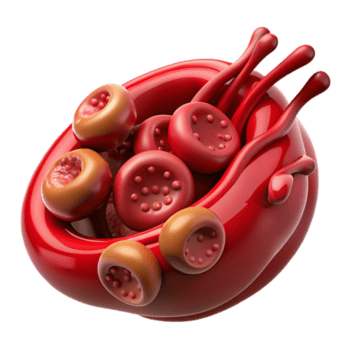
Cholesterol plays an essential role in many vital functions throughout the body, but elevated cholesterol levels can significantly increase the risk of cardiovascular disease. As one of the leading modifiable risk factors for heart disease, cholesterol management remains a key component of long-term health and wellness. Understanding how dietary choices influence blood cholesterol levels is critical for making informed decisions that support cardiovascular health.
Research continues to demonstrate that plant-based nutrition can be an effective strategy for improving cholesterol profiles and promoting heart health. Replacing certain animal-based protein sources with nutrient-rich plant proteins may help reduce LDL cholesterol levels while supporting overall metabolic wellbeing. Explore the evidence behind plant-based and animal-based proteins and discover how dietary patterns can impact cholesterol management and cardiovascular risk.
What Is Cholesterol and Why Does It Matter?
Cholesterol is a naturally occurring fatty substance that circulates in the bloodstream and is essential for many of the body’s vital functions. Produced primarily by the liver, cholesterol is also present in foods derived from animal sources, while plant-based foods contain no cholesterol. Every cell in the body relies on cholesterol to maintain its structure and function, and it serves as a key building block for vitamin D, hormones, and bile acids that support healthy digestion.
Although cholesterol is necessary for good health, maintaining the right balance is crucial. Excess cholesterol can accumulate within artery walls, narrowing blood vessels and increasing the risk of cardiovascular disease, heart attack, and stroke. Elevated cholesterol levels are one of the most common and preventable risk factors for heart disease worldwide. The good news is that healthy lifestyle choices—including a balanced diet rich in plant-based foods, regular physical activity, and other positive habits—can help support healthy cholesterol levels and promote long-term heart health.
What Causes High Cholesterol?
High cholesterol is usually the result of a combination of genetic predisposition and long-term lifestyle habits, rather than a single isolated cause. In many cases, it develops silently over time, without noticeable symptoms, until it is detected through a routine blood test. Genetics can play a significant role; some individuals inherit conditions such as familial hypercholesterolemia, which affects the body’s ability to properly clear LDL cholesterol from the bloodstream. Family history, age, sex, and ethnic background also influence risk levels.
Lifestyle factors are equally important. Diets high in saturated and trans fats—commonly found in processed foods, fatty meats, full-fat dairy products, and baked goods—can raise LDL cholesterol. In contrast, low fibre intake, lack of physical activity, smoking, and excessive alcohol consumption can further disrupt healthy cholesterol balance. Over time, these habits may contribute to the buildup of cholesterol in the arteries. Because high cholesterol is often symptomless, it can affect even individuals who appear healthy, making regular screening essential for early detection and prevention.
What is the difference between HDL and LDL cholesterol?
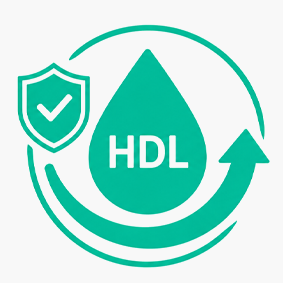
HDL
Good Cholesterol
HDL helps remove excess cholesterol from the bloodstream, supporting healthy arteries and cardiovascular function.
✓ Clears Excess Cholesterol
✓ Supports Heart Health
✓ Maintains Healthy Arteries
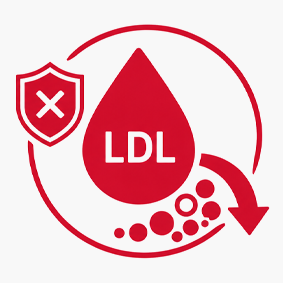
LDL
Bad Cholesterol
LDL can contribute to cholesterol buildup in artery walls, increasing the risk of heart disease and stroke.
✕ Promotes Plaque Buildup
✕ Narrows Blood Vessels
✕ Increases Heart Disease Risk
What Are Healthy Cholesterol Levels?
The lower the better!
In fact, even modest reductions can have a meaningful impact on long-term heart health. Research shows that lowering LDL cholesterol by approximately 0.7 mmol/L can reduce the risk of heart attack and stroke by around 30%.
Keep your LDL cholesterol
at 3 mmol/L, or below 2 mmol/L if you have increased risk.
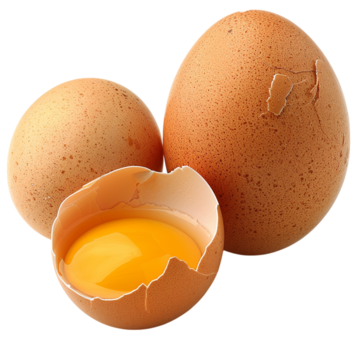
Did you know?
1 egg contains almost as much cholesterol as your daily limit (200mg)
The Link Between High Cholesterol and Disease
High cholesterol levels—particularly elevated low-density lipoprotein (LDL)—are strongly associated with the development of several chronic cardiovascular conditions. While cholesterol is essential for normal cellular function, maintaining a balance is critical. When LDL cholesterol becomes excessive in the bloodstream, it can gradually contribute to structural and functional damage within the vascular system.
Atherosclerosis (Hardening of the Arteries)
One of the most significant consequences of elevated LDL cholesterol is the development of atherosclerosis. In this process, excess cholesterol particles begin to accumulate along the inner lining of the arteries. Over time, these deposits form fatty plaques that cause the arterial walls to thicken and lose their elasticity. As these plaques grow, blood vessels become narrower and less flexible, restricting normal blood flow. This not only increases blood pressure but also places additional strain on the cardiovascular system. In advanced stages, atherosclerosis can severely limit oxygen delivery to vital organs.
Cardiovascular Disease
When arteries are partially blocked by plaque buildup, the heart must work harder to circulate blood throughout the body. Over time, this increased workload can contribute to the development of cardiovascular diseases, including coronary artery disease. Reduced blood flow to the heart muscle means less oxygen supply, which can weaken cardiac function and lead to chronic complications. Cardiovascular disease remains one of the leading causes of death worldwide, and elevated cholesterol is considered a major modifiable risk factor.
Heart Attack and Stroke
Perhaps the most dangerous outcome of atherosclerosis is the sudden occurrence of a heart attack or stroke. If a cholesterol-rich plaque ruptures, it can trigger the formation of a blood clot at the site of injury. This clot may completely block the affected artery. When this blockage occurs in the coronary arteries, it results in a heart attack. If it happens in the arteries supplying the brain, it leads to a stroke. Both conditions are medical emergencies that require immediate intervention, as they can cause permanent damage or even be fatal within a short period of time.
The Role of Inflammation and Saturated Fats
Cholesterol alone is not the only factor involved in cardiovascular risk. Chronic inflammation plays a key role in accelerating arterial damage and plaque formation. Diets high in saturated fats and trans fats are known to increase inflammatory responses in the body, further contributing to vascular dysfunction.
Understanding Cholesterol in Food
The relationship between dietary cholesterol and blood cholesterol has evolved significantly in nutritional science. While it was once widely believed that cholesterol-rich foods—such as eggs and organ meats—were the primary drivers of elevated blood cholesterol, current evidence suggests a more complex picture. For most individuals, the body’s cholesterol levels are regulated primarily by endogenous production in the liver, rather than direct dietary intake. This internal synthesis is more strongly influenced by the overall dietary pattern, particularly the intake of saturated fats and trans fats.
Dietary cholesterol is found exclusively in animal-derived foods, including meat, fish, poultry, dairy products, and eggs. Plant-based foods contain no cholesterol, regardless of their fat content. Even nutrient-dense, high-fat plant foods such as avocados, nuts, and seeds are naturally cholesterol-free. As a result, well-structured plant-based diets inherently eliminate dietary cholesterol while also typically reducing exposure to saturated fats, which are more directly associated with increased LDL cholesterol levels.
Trans fatty acids represent a more clearly established dietary risk factor for cardiovascular disease. These fats are found in small amounts in animal products but are primarily present in industrially processed foods containing partially hydrogenated vegetable oils, such as certain baked goods, confectionery, and processed spreads. Trans fats have been consistently shown to increase LDL cholesterol while simultaneously lowering HDL cholesterol, creating a particularly unfavorable lipid profile. Although regulatory efforts have significantly reduced their presence in many food systems, their impact on cardiovascular health remains well documented in clinical research.
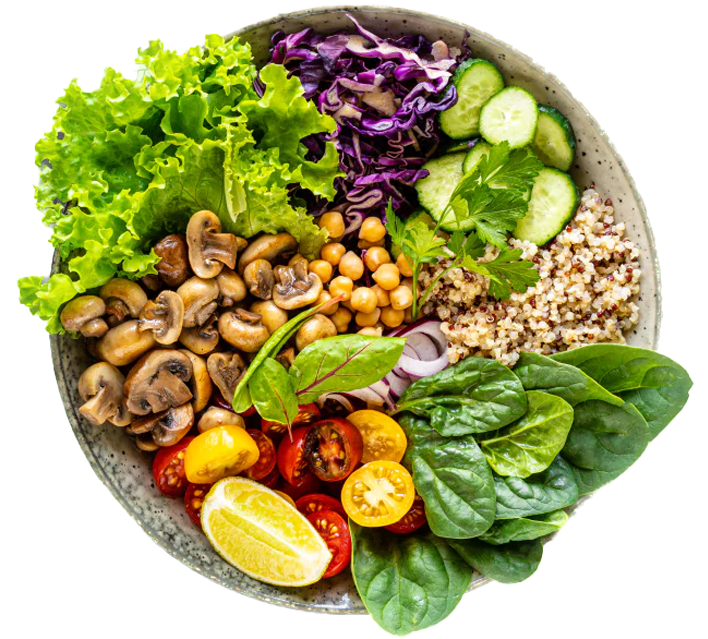
Not All Fats Affect
Cholesterol the Same Way
Current nutritional science makes it clear that the type of fat you consume is more important than the total amount. Health guidelines consistently recommend reducing saturated fat intake by limiting fatty animal-based foods such as meat and full-fat dairy products.
Replacing saturated fats with unsaturated fats—particularly polyunsaturated fats found in nuts, seeds, avocados, and plant-based oils—has been shown to be significantly more effective in improving cholesterol profiles than simply reducing overall fat intake.
Importantly, maintaining healthy cholesterol levels does not require expensive or highly specialized foods. A well-balanced, varied, whole-food, plant-based diet can naturally support cardiovascular health and contribute to long-term cholesterol management in a sustainable and accessible way.
Natural Ways to Lower Cholesterol
How to Lower Cholesterol Naturally Through Sustainable Diet and Lifestyle Changes
Lowering cholesterol naturally is not about following restrictive diets or eliminating entire food groups overnight. Instead, it involves adopting sustainable dietary and lifestyle habits that support healthy cholesterol metabolism and long-term cardiovascular health. Research consistently shows that small, consistent changes can have a meaningful impact on LDL cholesterol levels and overall heart disease risk.
A plant-based dietary pattern is one of the most effective evidence-based approaches for improving cholesterol levels. By reducing saturated fat intake, increasing fiber-rich foods, and emphasizing nutrient-dense plant foods, it is possible to support healthier blood lipid levels naturally. The following strategies are among the most effective ways to lower cholesterol and promote long-term heart health without relying solely on medication.
Avoid Trans Fats
Trans fats are among the most harmful types of dietary fat for cardiovascular health. They are primarily created through the industrial hydrogenation of vegetable oils, a process that converts liquid oils into more stable solid fats. Although their use has declined significantly in recent years, trans fats can still be found in some ultra-processed foods, commercially baked products, fried foods, and foods containing partially hydrogenated oils.
Numerous studies have shown that trans fats raise LDL ("bad") cholesterol while lowering HDL ("good") cholesterol, creating a particularly unfavourable lipid profile. This combination accelerates the development of atherosclerosis and significantly increases the risk of heart disease and stroke. As a result, major health organisations, including the World Health Organisation, recommend minimising trans fat consumption as much as possible.
To reduce exposure, focus on whole and minimally processed foods and carefully check ingredient lists for terms such as partially hydrogenated oil or hydrogenated oil. While small amounts of naturally occurring trans fats are present in some meat and dairy products, the greatest concern remains industrially produced trans fats found in highly processed foods. Limiting these products is an important step toward improving cholesterol levels and supporting long-term heart health.
Plant Sterols Help Reduce Cholesterol Absorption
Plant foods contain naturally occurring compounds known as phytosterols, or plant sterols, which have a structure similar to cholesterol. Because of this similarity, plant sterols compete with cholesterol for absorption in the digestive tract, reducing the amount of cholesterol that enters the bloodstream.
This mechanism has been shown to have a measurable impact on cholesterol levels. Research suggests that consuming approximately 1.5–2 grams of plant sterols per day can significantly lower LDL ("bad") cholesterol, making them an important component of a heart-healthy dietary pattern. By limiting cholesterol absorption, plant sterols help support healthier blood lipid levels and may contribute to a lower risk of cardiovascular disease.
Many whole plant foods naturally provide plant sterols, including nuts, legumes, whole grains, seeds, and avocados. Foods such as almonds, pistachios, lentils, beans, oats, and whole-grain products are particularly valuable sources. Incorporating a variety of these foods into a balanced plant-based diet can support long-term cholesterol management while providing additional nutrients beneficial for overall health.
Replace Animal Protein with Plant Protein
Replacing animal-based protein with plant-based protein is associated with healthier cholesterol levels and a reduced risk of cardiovascular disease. Research has consistently shown that diets emphasising legumes, soy foods, nuts, seeds, and other plant protein sources can help lower LDL ("bad") cholesterol when compared with diets rich in animal protein.
Several factors may explain this benefit. Plant protein foods naturally contain fiber, antioxidants, and other beneficial phytochemicals that support heart health, while being free of dietary cholesterol. In addition, increasing plant protein intake often reduces the consumption of foods that are higher in saturated fat, such as red meat and full-fat dairy products, which are known to raise LDL cholesterol levels.
Beans, lentils, chickpeas, tofu, tempeh, edamame, nuts, and seeds are excellent sources of plant protein that can be incorporated into a balanced diet. Making plant proteins the foundation of daily meals is a practical and evidence-based strategy for improving cholesterol levels and supporting long-term cardiovascular health.
Replace Animal Fats with Plant-Based Fats
The type of fat consumed has a significant impact on cholesterol levels and overall cardiovascular health. Evidence consistently shows that replacing saturated fats from animal products with unsaturated fats from plant-based sources can help lower LDL ("bad") cholesterol and support a healthier lipid profile.
Saturated fats, which are abundant in foods such as red meat, butter, cheese, and other full-fat dairy products, tend to increase LDL cholesterol levels. In contrast, monounsaturated and polyunsaturated fats found in nuts, seeds, avocados, olives, and plant oils have been associated with improved cholesterol balance and a reduced risk of heart disease.
Rather than focusing solely on reducing total fat intake, many nutrition experts recommend prioritizing healthier fat sources. Choosing plant-based fats in place of animal fats is a simple yet effective dietary strategy that can contribute to lower cholesterol levels, better heart health, and a more nutrient-rich eating pattern overall.
Increase Fibre Intake
Dietary fibre is one of the most effective nutrients for supporting healthy cholesterol levels. Found exclusively in plant foods, fibre helps reduce the absorption of cholesterol in the digestive tract and promotes its removal from the body. This process can contribute to lower LDL ("bad") cholesterol levels and improved cardiovascular health over time. Soluble fibre, in particular, has been extensively studied for its cholesterol-lowering effects. It forms a gel-like substance in the gut that binds to cholesterol and bile acids, helping to carry them out of the body before they can be reabsorbed. As a result, the liver must use more circulating cholesterol to produce new bile acids, which can further reduce blood cholesterol levels.
Excellent sources of fiber include fruits, vegetables, legumes, whole grains, nuts, and seeds. Regularly incorporating these foods into the diet not only supports healthier cholesterol levels but also provides additional benefits for digestive health, blood sugar control, and overall cardiovascular well-being.
Reduce Saturated Fat
Saturated fat plays a key role in raising LDL ("bad") cholesterol levels, making it one of the most important dietary factors in cardiovascular health. When consumed in excess, saturated fat can impair the liver’s ability to efficiently remove LDL cholesterol from the bloodstream. As a result, cholesterol remains in circulation for longer periods, increasing the likelihood of plaque buildup within the arteries.
For this reason, leading health organizations, including the World Health Organization (WHO), recommend limiting saturated fat intake to less than 10% of total daily calories. Reducing saturated fat consumption has been consistently associated with improved cholesterol profiles and a lower risk of heart disease.
The primary sources of saturated fat include red meat, processed meats, butter, cheese, full-fat dairy products, and tropical oils such as coconut and palm oil. Replacing these foods with healthier sources of unsaturated fats—such as nuts, seeds, avocados, and plant-based oils—can be an effective strategy for lowering LDL cholesterol and supporting long-term cardiovascular health.
Eliminate Dietary Cholesterol
Unlike many nutrients, dietary cholesterol is not essential because the body is capable of producing all the cholesterol it needs. Cholesterol is found exclusively in animal-derived foods, including meat, poultry, fish, eggs, and dairy products, while plant foods naturally contain none. Research suggests that dietary cholesterol can contribute to higher blood cholesterol levels in some people, particularly those who are more sensitive to its effects. Because a significant proportion of dietary cholesterol is absorbed through the digestive system, excessive intake may place an additional burden on the body's cholesterol regulation mechanisms.
Adopting a plant-based eating pattern naturally eliminates dietary cholesterol while providing a wide range of fiber-rich foods that support healthy cholesterol metabolism. For individuals seeking to improve heart health and lower LDL cholesterol, reducing or eliminating animal-based foods can be an effective strategy as part of an overall cholesterol-conscious diet.
Eat More Soy
Soy is one of the few plant foods with well-documented cholesterol-lowering benefits. Numerous randomised controlled trials have demonstrated that regular consumption of soy foods can help reduce both total cholesterol and LDL ("bad") cholesterol, making soy an important component of a heart-healthy, plant-based diet.
The cholesterol-lowering effects of soy are thought to result from a combination of factors, including its high-quality plant protein and naturally occurring compounds called isoflavones. In addition to supporting healthy cholesterol levels, soy foods provide a nutrient-dense alternative to animal-based proteins, which are often higher in saturated fat and dietary cholesterol.
Whole and minimally processed soy foods such as tofu, tempeh, edamame, and unsweetened soy milk are excellent choices for those looking to improve their cardiovascular health. Incorporating these foods into regular meals can be a simple, evidence-based strategy for supporting healthy cholesterol levels and reducing long-term heart disease risk.
The Star Foods: What to Focus On
Improving cholesterol levels does not require a restrictive or complicated diet. Some of the most effective cholesterol-lowering foods are simple, affordable, and backed by decades of nutritional research. The following plant foods have consistently demonstrated benefits for reducing LDL (“bad”) cholesterol and supporting long-term cardiovascular health.
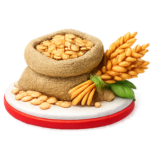
Oats and Barley
Oats and barley are rich in beta-glucan, a type of soluble fiber that helps reduce cholesterol absorption in the digestive tract. Regular consumption has been shown to support meaningful reductions in LDL cholesterol while promoting overall heart health.

豆类
Beans, lentils, chickpeas, and peas provide an exceptional combination of plant protein and soluble fibre. Their regular consumption has been associated with lower LDL cholesterol levels and improved cardiovascular outcomes, making them a cornerstone of cholesterol-friendly diets.
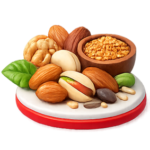
坚果和种子
Nuts and seeds deliver heart-healthy unsaturated fats, fibre, plant sterols, and antioxidant compounds that support healthy cholesterol metabolism. Almonds, walnuts, pistachios, and flaxseeds are among the most studied varieties and have been linked to improved lipid profiles when consumed regularly.
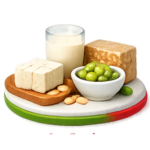
Soy Foods
Whole soy foods such as tofu, tempeh, edamame, and unsweetened soy milk provide high-quality plant protein that has been shown to help lower LDL cholesterol. Replacing animal-based proteins with soy foods may further enhance cardiovascular benefits.
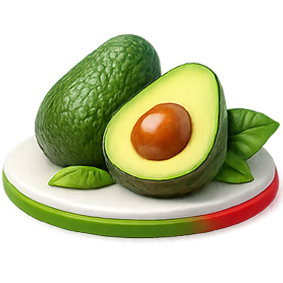
Avocados
Avocados are naturally rich in monounsaturated fats and plant sterols, both of which support healthy cholesterol levels. Clinical studies have associated regular avocado consumption with reductions in LDL cholesterol and improvements in overall lipid balance.

Fruits and Vegetables
A diverse intake of fruits and vegetables provides soluble fiber, antioxidants, and beneficial phytochemicals that support cardiovascular health. Increasing overall plant food consumption remains one of the most effective dietary strategies for maintaining healthy cholesterol levels and reducing long-term disease risk.
The Bottom Line
Leading health organisations consistently recognise saturated fat as a major contributor to heart disease risk. The good news is that lowering cholesterol can be straightforward: adopt a plant-based diet, stay physically active, and make heart-healthy habits part of your daily routine.
Adopting a plant-based diet is not simply about eliminating animal products—it is about prioritising nutrient-dense foods that actively support healthy cholesterol levels. Replacing foods high in saturated fat and dietary cholesterol with whole plant foods can have a meaningful impact on cardiovascular risk.
The foundation of a cholesterol-friendly plant-based diet includes legumes, whole grains, fruits, vegetables, nuts, and seeds. These foods provide fibre, plant sterols, antioxidants, and other beneficial compounds that help support healthy cholesterol metabolism. When combined with an active lifestyle and other heart-healthy habits, a whole-food plant-based diet can be a powerful strategy for protecting cardiovascular health and reducing the risk of heart disease. See the “How to Go Vegan?” for more information.
