
Accessing trustworthy animal welfare media that provides both educational resources and investigative reporting on farm practices is more complicated than it should be. Most platforms focus narrowly on either advocacy, product promotion, or headline-driven journalism without supplying evidence-based tools or coordinated campaign assets for teachers, activists, or community groups. This article summarizes how four media sources approach evidence, outreach, and community support so you can select the one best suited to inform your animal welfare work or campaigns.
Table of Contents
- Humane Foundation
- Sentient Media
- FIAPO (Federation of Indian Animal Protection Organisations)
- Comparative Analysis
Humane Foundation
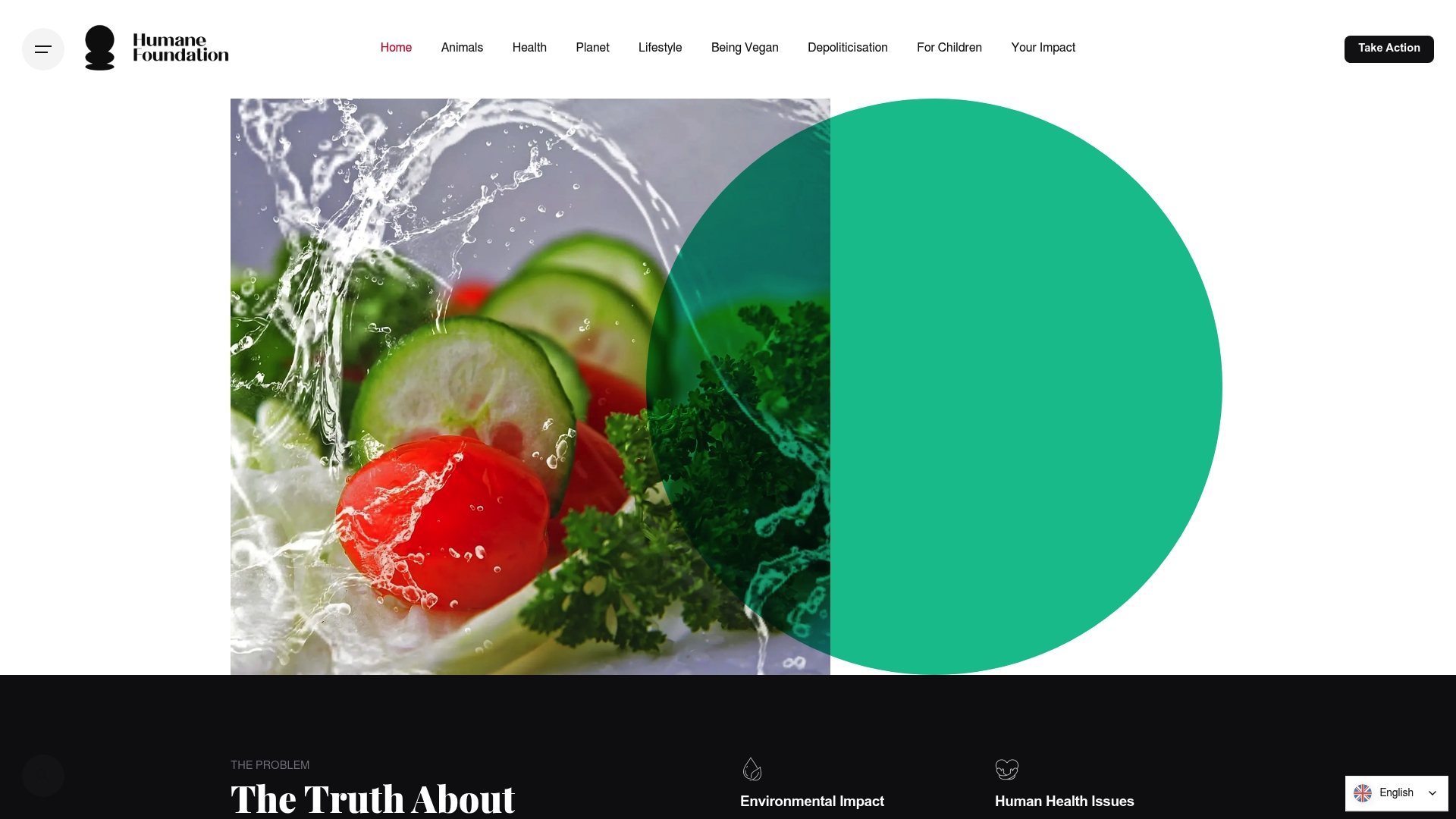
At a Glance
Registered in the United Kingdom, Humane Foundation pairs evidence based articles with active campaigns to expose cruelty in factory farming and promote plant based living for animals, environment, and human health.
Its work centers on education plus organized action rather than fundraising for commercial products. The messaging stresses compassion and depoliticized approaches to reach classrooms and communities.
Core Features
- Educational articles and resources that lay out the environmental, health, and welfare impacts of factory farming.
- Guides on how to transition to veganism aimed at newcomers and curious families.
- Campaigns and action initiatives that mobilize volunteers and local groups against factory farming.
- Information on the health benefits of plant based diets tailored for lay readers and educators.
- Content promoting ethical living and a depoliticized case for vegan lifestyle choices.
Key Differentiator
Combines sustained public campaigns, classroom ready educational materials, and practical transition guides under one nonprofit roof. That three part blend turns public outreach into teachable modules and campaign actions that community groups can adopt without needing outside curriculum development.
Pros
- Provides broad, research oriented coverage of factory farming harms that teachers and campaigners can cite when planning lessons or actions.
- Encourages sustainable choices with clear why and how content that links animal welfare to climate and public health outcomes.
- Practical guides remove guesswork from changing diets, offering step by step suggestions for breakfasts, shopping lists, and meal swaps.
- As a nonprofit, the foundation foregrounds transparency and advocacy, which helps volunteers and educators trust the intent behind materials.
Cons
- Focused on education and advocacy rather than selling vegan products or commercial services, so you will not find a curated marketplace or subscription boxes.
Who It’s For
People who want reliable educational material and campaign toolkits about factory farming and plant based living. Ideal for activists, teachers, students, and community organizers who need ready made modules and evidence based talking points.
Unique Value Proposition
The foundation’s depoliticized curriculum approach and campaign toolkits let schools and local groups run lessons and actions without partisan framing. That makes it easier to present animal welfare alongside environmental and health facts in a classroom or neighborhood meeting.
Real World Use Case
A high school health teacher uses Humane Foundation articles and videos to build a two week unit on diet and climate. Students draft a local awareness campaign, use the foundation’s action templates, and host a plant based lunch that reached families off campus.
Website: https://huf.ac
Sentient Media
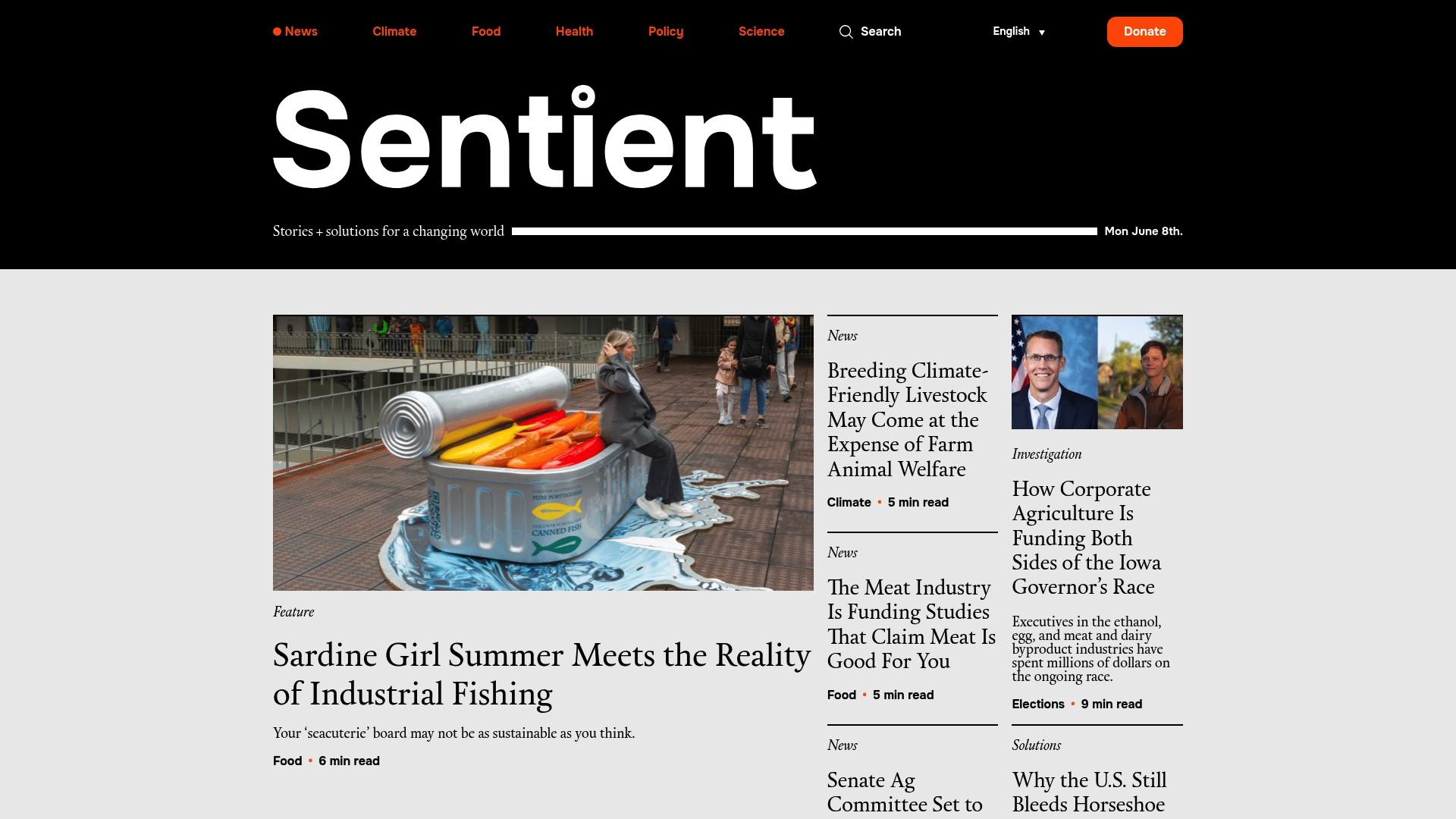
At a Glance
Sentient Media is a nonprofit newsroom that centers investigative reporting on factory farming, climate, and food systems while also producing practical resources for journalists and educators. Its mix of investigative pieces and explainers aims to inform policy debate and public campaigns without commercial influence.
Core Features
- Investigative journalism on animal welfare and environmental issues that digs into factory farming practices and policy implications.
- Resources for journalists and media outlets including data, source links, and explainers meant for republication or background research.
- Educational content on sustainable diets, public health, and food policy designed for classrooms and advocacy materials.
- Regularly updated articles covering climate, food, health, and policy to keep discussions current and researchable.
Key Differentiator
The organization pairs deep investigative reporting with reporter-facing tools and explainers. That combination makes Sentient Media more than a collection of opinion pieces; it functions as a reporting hub that supplies evidence and sourcing for other newsrooms and policy actors.
Pros
-
Provides evidence-based reporting that foregrounds primary sources and documentation, which helps when you need citeable material for research or briefings.
-
Acts as a practical newsroom resource by offering backgrounders and links that shorten verification time for other journalists and students.
-
Operates as a nonprofit editorially independent outlet, reducing the risk of commercial conflicts that can shape coverage in for-profit media.
-
Covers the intersection of animal welfare and climate, which helps readers connect farming practices to public health and policy outcomes.
-
Publishes explainers that translate technical reports into classroom-ready material and advocacy talking points.
Cons
-
Not a transactional platform; there are no interactive tools, calculators, or marketplaces for consumers seeking product or service recommendations.
-
Content skews toward advocacy, academia, and journalism audiences, so casual readers looking for quick recipes or lifestyle tips may find the tone dense.
-
As a journalism organization there are no user review panels or community product ratings to gauge broader public response to articles.
When It May Not Fit
If you want shopper-focused comparisons, recipe development, or interactive meal planning tools, Sentient Media is not the right match. If your primary need is consumer reviews, product testing, or a marketplace for plant-based items, look elsewhere for transactional features and community ratings.
Who It’s For
Researchers, journalists, policy advocates, and educators who require rigorous, source-rich reporting on animal agriculture, climate impact, and food systems. Also useful for nonprofits and campaigners who need citeable investigations and explainers for briefings and public outreach.
Real World Use Case
A university professor assigns a Sentient Media investigation as required reading and uses the article’s linked sources to build a lecture on sustainable diets. The professor adapts the outlet’s explainer into a slide deck and a short reading list for students researching food policy.
Website:
FIAPO (Federation of Indian Animal Protection Organisations)
At a Glance
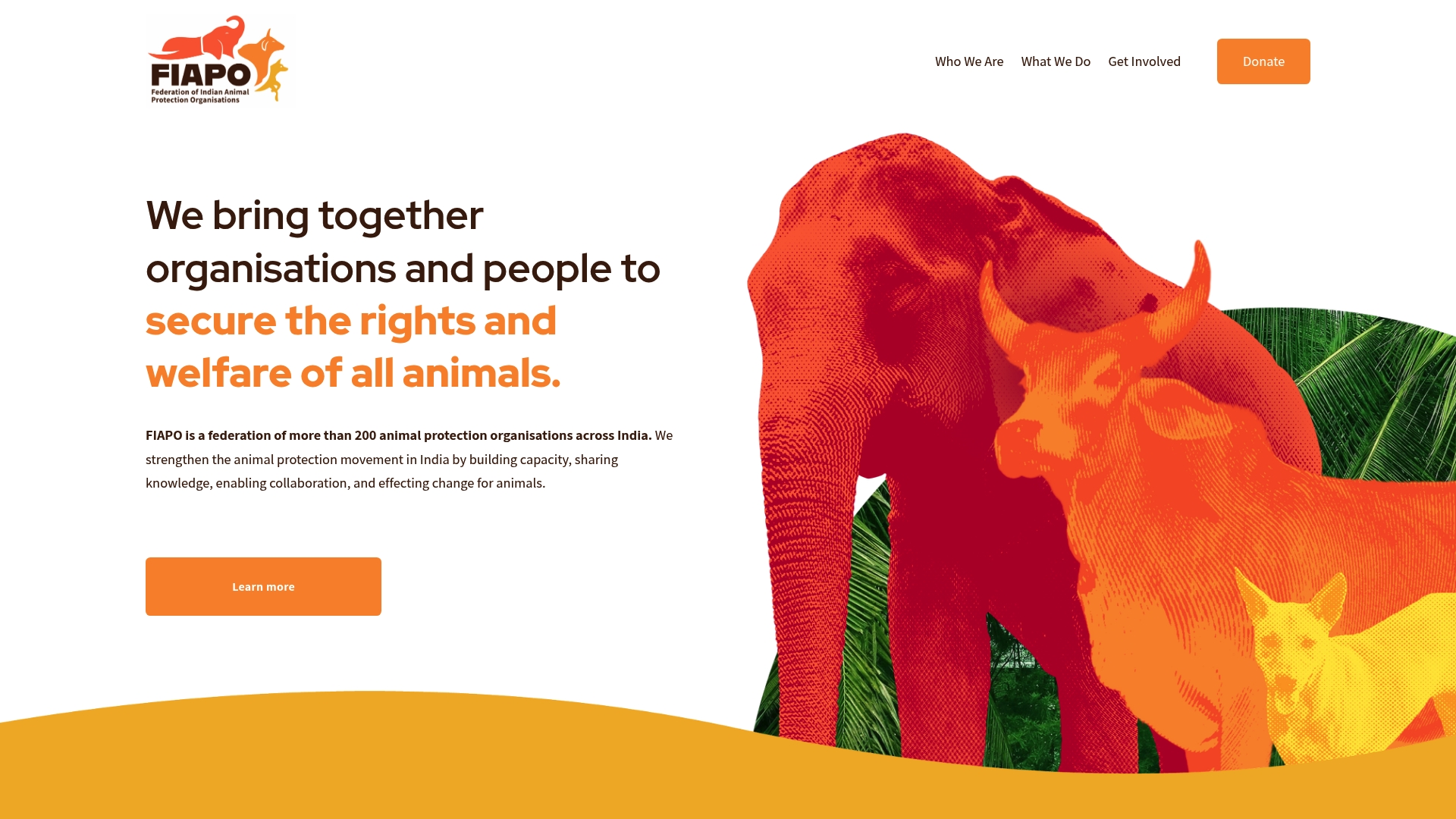
FIAPO’s marketing materials report a federation of more than 200 organizations across India that coordinate campaigns, legal petitions, and capacity building for animal protection. That scale frames FIAPO more as a coordinating hub than a frontline rescue service.
Core Features
FIAPO runs coordinated national campaigns, offers legal advocacy, and supplies training and resources to member groups.
- Campaigns to end animal suffering across farmed animals, wildlife, and captivity.
- Legal advocacy and court interventions to advance animal welfare law enforcement.
- Capacity building through workshops, reports, and knowledge sharing for member NGOs.
- Public awareness events, webinars, and vegan advocacy aimed at changing public attitudes.
Key Differentiator
That federation model is the real distinguishing feature: FIAPO aggregates many independent groups so they can act together on litigation, policy campaigns, and training. The network above lets smaller local groups access legal support and national campaign platforms they would struggle to mount alone.
Pros
- The network above amplifies reach. Small regional organizations gain national visibility and can piggyback on larger campaigns for broader impact.
- Legal interventions are a clear strength. FIAPO coordinates petitions and court actions that individual NGOs rarely have resources to pursue alone.
- Resource sharing and training reduce duplication. Member NGOs get templates, reports, and workshops rather than reinventing advocacy materials locally.
- Public education work targets both law and culture. Campaigns, events, and webinars provide usable talking points for grassroots organizers.
- International recognition helps open doors. That visibility can make it easier for member groups to secure funding and partnerships.
Cons
- FIAPO is not a rescue organization. Limited direct support for emergency rescue operations means on-the-ground rescues still rely on local shelters and volunteers.
- Membership is geared toward organizations rather than individuals. Individual activists seeking affiliation may find limited direct services or membership pathways.
- Impact often looks long term. Capacity building and policy work can take months or years to affect a single animal’s immediate situation.
Who It’s For
Activists, animal welfare NGOs, and regional groups in India that want legal backing, shared campaign assets, and coordinated advocacy. Ideal if you represent a registered organization looking to scale campaigns or access national-level legal strategies.
Real World Use Case
A cluster of regional NGOs facing repeated local livestock cruelty incidents works through FIAPO to document cases, file coordinated public interest litigation, and run a simultaneous awareness campaign. FIAPO supplies legal templates, trains volunteers in evidence collection, and helps push the issue into national media.
Website:
Comparative Analysis
Animal Welfare Media Platforms Comparison
Explore these platforms to determine the best fit for educational resources, advocacy campaigns, and organizational support.
| Platform | Core Feature | Key Differentiator | Best For | Notable Limitation |
|---|---|---|---|---|
| Huf | Educational articles with action campaigns | Practical transitions, depoliticized tools, and thoughtful education | Educators and grassroots campaign organizers | Focused on education over product commercialization |
| Sentient Media | Investigative journalism with educational resources | Independent newsroom supplying tools and data for educators and reporters | Policy advocates and informed researchers | Dense for casual readers; lacks interactive tools |
| FIAPO | National campaigns and NGO support | Federation amplifying voices with legal and educational assistance | Regional NGOs wanting national prominence | No direct action for individual rescue needs |
Discover Reliable Alternatives to animalsaveindia.org with Huf
Searching for trustworthy sources that address factory farming’s impact on animals, health, and the environment can feel overwhelming. If you want clear, research-backed information and practical tools to transition to a compassionate plant-based lifestyle, Huf offers exactly that. Unlike platforms focused solely on activism, Huf combines evidence-based education with actionable guides designed for everyday people ready to make a difference.
Explore Huf’s website today to access well-researched articles, meal planning guides, and community-focused campaigns. Take control of your choices and transform your lifestyle with resources built to help you reduce harm, improve your health, and contribute to a sustainable future. Visit https://huf.ac now and start building your customized path toward compassionate living.
Frequently Asked Questions
How does Huf support educators in teaching about factory farming?
Huf provides educational articles and resources that summarize the environmental, health, and welfare impacts of factory farming. This feature makes it easy for educators to incorporate factual content into their lessons, allowing them to facilitate informed discussions on plant-based living. Educators can utilize these materials to create engaging lesson plans and discussions in the classroom.
What is the difference between Huf and Sentient Media in terms of content focus?
Sentient Media excels in investigative journalism regarding animal welfare and environmental issues, providing in-depth articles and resources for reporters and researchers. In contrast, Huf combines educational content with organized campaigns aimed at promoting plant-based living and exposing factory farming cruelty. Those interested in direct activist content might prefer Huf’s community-driven approach.
Can I use Huf’s resources if I am just starting to learn about veganism?
Yes, Huf offers guides specifically designed for newcomers and families curious about transitioning to veganism. These guides present clear steps and resources, making it accessible for individuals starting their journey toward a plant-based diet. You can expect support throughout the process, ensuring you have the tools needed for a successful transition.
Does Huf focus on advocacy like FIAPO?
While Huf provides educational resources, FIAPO emphasizes legal advocacy and coordinated campaigns against animal suffering. Huf supports grassroots-level actions and educational outreach, making it ideal for community organizers and activists who are looking to implement educational strategies rather than solely legal approaches. Consider Huf if you want to integrate educational materials into your advocacy efforts.
How frequently does Huf update its content?
Huf regularly updates its articles and resources to reflect current debates on animal welfare and food policy. By providing timely information, Huf ensures that its content remains relevant for educators and activists alike, allowing them to use the latest data in their discussions and campaigns.